Software
Houzz Logo Print
m_gold

Am I hardening incorrectly?

9 years ago
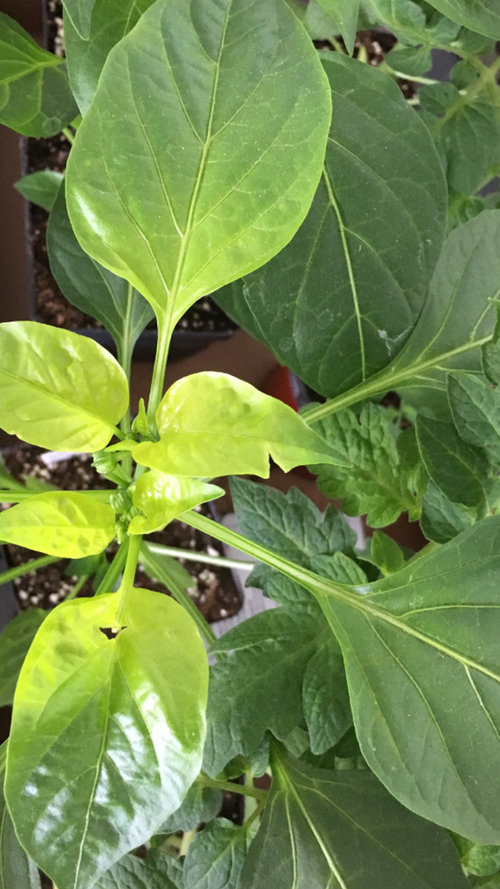
I purchased some tomato & pepper plants from a local greenhouse a few days ago. I was told I should harden them, so I've been putting them outside in a place blocking most winds, first in shade and now in direct sunlight. I started at 2 hours and now they are outside for 4. I leave them in the garage which stays relatively warm Day and night, when they aren't in the sun.

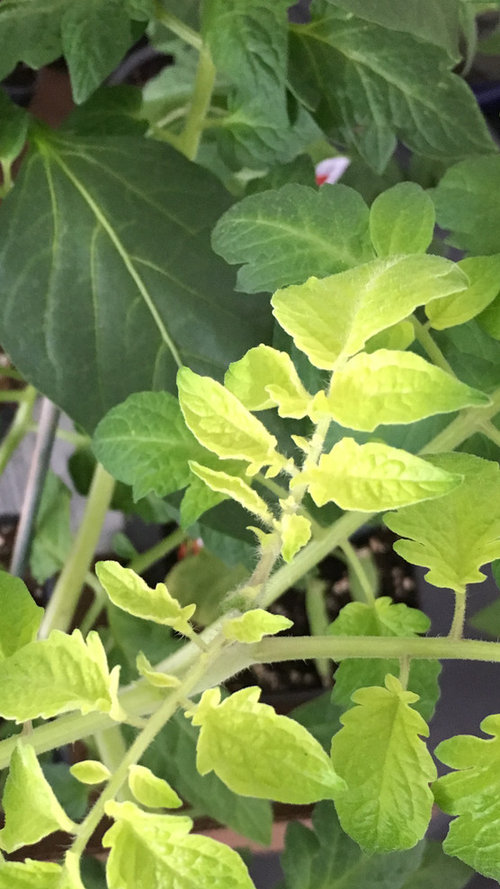
I noticed the tops of some are turning light green. What am I doing wrong?

Thank you.

Comments (24)

  • 9 years ago

    Were they placed anywhere near where weed killer has been sprayed recently? Or did a neighbor spray weed killer on a breezy day?

    m_gold thanked gorbelly
  • 9 years ago

    @Gorbelly

    thats entirely possible. My neighbors on either side have recently had mulch dumped on their driveways and have been in their yards quite a bit this week.


    How serious of a problem am I dealing with if these plants were in contact with a distant weed killer spray?

  • 9 years ago

    Most plants exposed to herbicide drift do not recover or only recover somewhat but never regain full health. I agree with GB that is the most likely cause but first, you must check directly with the neighbor to see if that is indeed the problem.

    If not, if there was no herbicide used, then get them planted and fed and monitor them. It is slim but possible that what you are seeing is marked nutrition deficiency but it is difficult to distinguish between the two issues at this point.

    If your neighbors have a lawn service if they routinely spray herbicides (or if you have any stored in the garage at all near the plants) then you are going to have chronic problems unless you can work out with the neighbors for advance warning so the plants can be covered.

    Herbicides can drift for over 1/2 mile on a windy day and tomatoes and peppers are especially sensitive to them.

    Dave

    m_gold thanked digdirt2
  • 9 years ago

    I'm wondering.... when you say 2 hours on day 1, then 4 hours on day 2, do you mean that you're leaving them in a dark garage the rest of the time???

    When it comes to hardening off, think in terms of your own unprotected skin. Plants need to become acclimated to the temps and sun. Assuming your temperatures are good, I'd harden them off by starting with a couple days in a protected area with light shade that would only get early morning sun, and gradually increase sun amounts from there. They shouldn't be started out in the hottest/brightest sun of the day and they shouldn't be in a dark garage except possibly overnight to protect from extreme cold.

    m_gold thanked party_music50
  • 9 years ago

    @digdirt2

    before I blame my neighbors, I do have weed killer in my garage. It's not next to the plants and it's not as though I've used it in the last week, but from what both of you are saying, it sounds like I'm at fault here. It just never occurred to me that I did it since these plants were directly next to the weed killer.


    So, now what? Can I try to plant these? Are they "poisoned"? Do I need to buy new plants?


    is it possible these are turning color because a lack of sunlight? It dawned on me that I was hardening off these plants by offering 2 hours of sunlight per day and slowly increasing that but (silly me), I didn't offer any other light the rest of the day. Could that have been the problem?

    Either way, I'm glad I made these mistakes early in the season. Ty both!

  • 9 years ago
    last modified: 9 years ago

    @party_music50

    I was typing a reply at the same time as you. And unfortunately you're correct that I was not offering any light for the majority of the day since this weekend. Clearly I wasn't thinking correctly as this is a pretty obvious mistake looking back, but at the time it didn't occur to me.

    Is it possible that my problem is lack of light? Or wouldn't that cause this discoloration?

    ty


    edit: @party_music50 - again you replied to quickly for me. Ty again.

  • 9 years ago

    It looked completely like lack of light to me! I'd water them with dilute fertilizer, if you haven't already... like 1/4 strength Miracle Gro. And use it pretty much every time you water until they're planted. Assuming you're hardening them off to be planted soon, I'd keep them outdoors, shaded as appropriate, unless the temps drop below 50F.

    m_gold thanked party_music50
  • 9 years ago

    @party_music50

    I do hope your right and my mistake of hiding plants from the sun was the problem (I assume many wouldn't have suspected I could be that clueless when offering advice). However if the weed killer in my garage did harm these plants, is it possible to poison the future tomatoes/peppers and not realize it? I'd rather get new plants than these look like they recovered once I have them in light all day, but still contain some of that drifted weed killer. Ty

  • 9 years ago
    last modified: 9 years ago

    I never suspected weed killer to be the problem -- I suspected only lack of light.

    I don't believe that keeping the plants stored in the garage somewhere near a weed killer would cause them harm. Unless the weed killer was open/exposed and had a wind blowing over it directly toward the plants that were positioned close by?! (not likely).

    You seem convinced that the plants were poisoned, so I guess you need to keep talking to the guys who suggested it -- I don't use the stuff.

    m_gold thanked party_music50
  • 9 years ago

    Lack of light crossed my mind immediately too. The leaves don't appear to be distorted, just pale. They need light all day but not strong sun or wind. Even when they're not outside they still need to be in a light place.

    m_gold thanked floral_uk z.8/9 SW UK
  • 9 years ago

    Party music picked up on a good point I missed - the lack of light. It never occurred to me they weren't getting supplemental light when inside. And it isn't the green-veined chlorosis one normally sees when only light is the issue.

    So I will disagree that plants stored near weed killers is harmless. Sorry but that is well proven and should be avoided at all cost.

    So move the plants out and leave them out. Find a place where they can be semi-protected from wind and harsh sun and left there. Give them a small dose of a well-diluted fertilizer as suggested. If they begin to green back up and look healthy - great. If not, if the leaves shed or the stem begins to twist and distort or if any new leaves emerge small and twisted - then you will have your answer about the herbicide effect.

    If it turns out to be herbicide effects AND the plant still recovers - great. If not then you will have to replace them. And no there is no poisoning of the fruit if the plant survives.

    Dave

    m_gold thanked digdirt2
  • 9 years ago
    last modified: 9 years ago

    @party_music50

    i hope I didn't offend you. i just wanted to be sure that I'd know IF the plant was poisoned before feeding my family

    Per your advice, my plants have been enjoying the light since your first response. They are no longer in the dark garage. And I thank you very much for your help!

  • 9 years ago

    @digdirt2 @floral_uk

    thank you both as well

  • 9 years ago

    Yes, I didn't realize they'd been kept in complete darkness for most of the day. Before doing anything drastic, give them more light, i.e., when they're not in sun keep them outdoors in shade, not inside a dark garage. And see how they do.

    Re: weed killer in the garage... on a warm day, any residues on the outside of the container could volatilize and then affect plants. Or if the container isn't closed tightly. Also, people moving things around could transfer herbicide from the outside of the containers to the plants if they touch them. So in future, be a little more careful about storage of herbicides if you're going to have seedlings anywhere near it.

    m_gold thanked gorbelly
  • 9 years ago

    @gorbelly

    i won't make that mistake again but the possibility of herbicide contamination from a distance didn't occur to me and I'm glad you pointed it out.

  • 9 years ago

    @party_music50 & @digdirt2

    you both suggested a liquid fertilizer for these plants. I have quick access to a fish fertilizer (5-1-1) and a foliage plant food (9-3-6). Do you recommend I use one of these or do I need to get something different from the store? Thank you.

  • 9 years ago

    Those herbicides are unlikely to harm your family or pets at the levels used in people's yard and gardens if there is only occasional, slight exposure. So if affected plants survive to fruit, the fruit won't be toxic..

    But those herbicides are designed to kill broad-leaf plants, and that includes tomatoes and peppers. In fact, tomatoes and peppers are especially sensitive to common herbicides and will suffer injury at doses that may not affect many other plants. Peas are also very sensitive and actually make a good bioassay plant because they sprout so quickly and vigorously in warm conditions. I usually sprout some peas to test any new mulch or compost from an external source to make sure there's no herbicide contamination before using it on plants in the garden.

    m_gold thanked gorbelly
  • 9 years ago

    Re: lack of light--in just a few days, it's not likely that plants seeing at least an hour or two of sunlight every day would exhibit chlorosis that extreme. Maybe some lighter green in the foliage, but not turning to bright lemon yellow that quickly.

    Note that glyphosate (Roundup) injury first manifests as extreme chlorosis on the newer growth and chlorosis concentrated at the leaf base of older leaves. It doesn't manifest with distorted foliage in the beginning.

    That said, it's still kind of a toss-up as to cause, and I would personally see whether the plants recover. Chlorosis from lack of light should correct itself quickly, if that's what happened.

    m_gold thanked gorbelly
  • 9 years ago

    @gorbelly

    i will make sure to keep an eye out for those changes....for better or worse.

    How long is a reasonable about of time I should expect to see this fully or nearly fully recover?

    Also, my post just before this asked about different fertilizer I can use. Do you have a suggestion? Ty

  • 9 years ago

    As per usual either of those fertilizer diluted to 1/2 strength is fine assuming they are both liquids. If not use the diluted liquid fish.

    If you need a guarantee then buy new plants. Otherwise there is no way to tell you how soon. There are too many variables that are strictly under your control, not ours. But as as with all plants you watch for new growth. If it looks good then the odds are they will recover assuming all else goes well in their future. If none develops and/or it begins to shrivel or shed leaves, pitch them.

    Dave

    m_gold thanked digdirt2
  • 9 years ago

    @digdirt2

    thank you for your help.

    So am I to understand that these leaves aren't necessarily going to change color anytime soon, if ever. And my ability to find out if this plant is healthy, depends on new leaf growth? Thanks for everything.

  • 9 years ago

    All you can do is watch and learn, Google about "chlorosis of plant leaves". Normally leaves that are fully chlorotic do not recover. They die. Leaves that are partially affected may recover some light green tissue if nitrogen is supplied soon enough and the leaf circulation is still good but other parts of the same leaf will brown and die. New leaf growth and its condition, not the damaged leaves, is what tells you if the plant is recovering or not.

    Dave

  • 9 years ago

    m_gold, just finished reading your question and the answers that followed........have you figured out the problem and have your plants shown any improvement yet?

    Harry