

Drip line water in basement
9 years ago
Featured Answer
Sort by:Oldest
Comments (11)
- 9 years ago
Related Professionals
Cape Coral Landscape Architects & Landscape Designers · Richmond Landscape Architects & Landscape Designers · Memphis Landscape Architects & Landscape Designers · Lansing Landscape Architects & Landscape Designers · Saint Cloud Landscape Architects & Landscape Designers · Los Angeles Landscape Architects & Landscape Designers · Athens Landscape Contractors · Clarksdale Landscape Contractors · Stamford Landscape Contractors · Olean Landscape Contractors · Watertown Landscape Contractors · DeRidder Decks, Patios & Outdoor Enclosures · Atlantic City Decks, Patios & Outdoor Enclosures · Edison Decks, Patios & Outdoor Enclosures · Chula Vista Decks, Patios & Outdoor Enclosures 9 years ago
 9 years ago
 PRO9 years agolast modified: 9 years ago
- 9 years ago
- PRO9 years ago
- 9 years ago
- PRO9 years ago
- 9 years agolast modified: 9 years ago
- PRO9 years ago

Related Stories
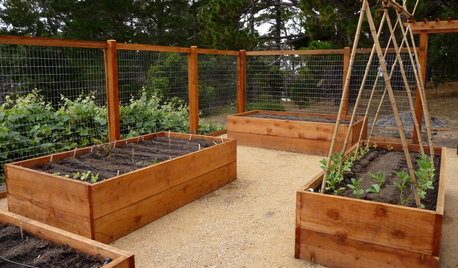
GARDENING GUIDESHow to Install a Drip Irrigation System
Save time and water with a drip watering system in your vegetable garden — a little patience now will pay off later
Full Story
HOUSEKEEPINGProtect Your House From Winter Water Damage
Avoid costly repairs by learning to spot potential problem areas before water damage is done
Full Story
GREAT HOME PROJECTSHow to Identify and Fix Plumbing Issues
Whether minor drips or major leaks, when water starts flowing, it’s time to call in a pro
Full Story
HOUZZ TOURSMy Houzz: Sleek Lines and Innovations in Portland
Behind these airy, contemporary interiors lie high-tech systems that lower utility costs while keeping the family comfortable
Full Story
CONTEMPORARY HOMESHouzz Tour: Strong, Modern Lines Stand Up to the Trees
Modernism takes kindly to the New York woods, with double-height ceilings for openness and a burbling creek for music
Full Story
SAVING WATER11 Ways to Save Water at Home
Whether you live in a drought-stricken area or just want to help preserve a precious resource, here are things you can do to use less water
Full Story
LANDSCAPE DESIGNHow to Move Water Through Your Landscape
Swales, underground pipes or a mix of both: There’s more than one way to distribute water in the garden
Full Story
GREAT HOME PROJECTSHow to Switch to a Tankless Water Heater
New project for a new year: Swap your conventional heater for an energy-saving model — and don’t be fooled by misinformation
Full Story
GREEN BUILDINGJust Add Water: Rain Barrel Magic
Take your rainwater storage from practical to beautiful with a new breed of design-friendly rain barrels
Full Story
LIFEThe Top 5 Ways to Save Water at Home
Get on the fast track to preserving a valuable resource and saving money too with these smart, effective strategies
Full StorySponsored

Columbus Design-Build, Kitchen & Bath Remodeling, Historic Renovations


Yardvaark