

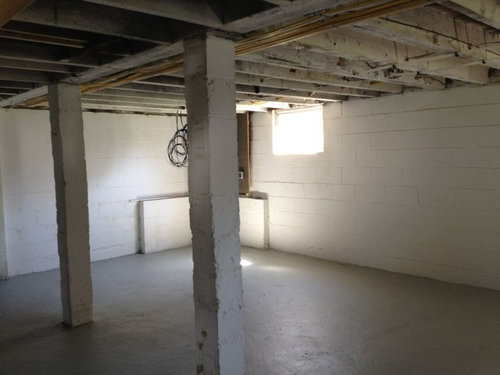
How do I finish a basement for moisture control?
13 years ago

Featured Answer
Sort by:Oldest
Comments (7)
 PRO13 years ago
 PRO13 years ago
Related Professionals
Owensboro Interior Designers & Decorators · Shreveport Interior Designers & Decorators · Cincinnati Interior Designers & Decorators · Hilton Head Island Interior Designers & Decorators · Yakima Interior Designers & Decorators · Cheyenne Interior Designers & Decorators · El Dorado Architects & Building Designers · Kissimmee Architects & Building Designers · Alexandria Architects & Building Designers · Cumberland Architects & Building Designers · San Marcos Architects & Building Designers · Branson Kitchen & Bathroom Designers · Sedalia Kitchen & Bathroom Designers · Fergus Falls Kitchen & Bathroom Designers · Salem Kitchen & Bathroom Designers- 13 years ago
 PRO13 years ago
 PRO10 years ago
 PRO10 years ago

Related Stories
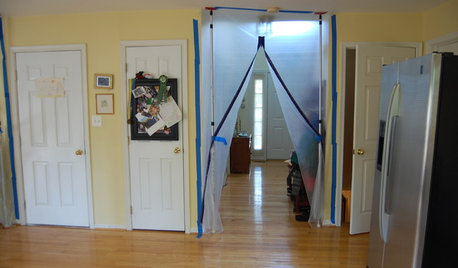
HEALTHY HOMEWhat to Know About Controlling Dust During Remodeling
You can't eliminate dust during construction, but there are ways to contain and remove as much of it as possible
Full Story
REMODELING GUIDESContractor Tips: Finish Your Basement the Right Way
Go underground for the great room your home has been missing. Just make sure you consider these elements of finished basement design
Full Story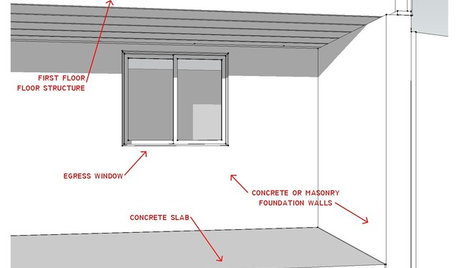
REMODELING GUIDESKnow Your House: The Steps in Finishing a Basement
Learn what it takes to finish a basement before you consider converting it into a playroom, office, guest room or gym
Full Story
PETS5 Finishes Pets and Kids Can’t Destroy — and 5 to Avoid
Save your sanity and your decorating budget by choosing materials and surfaces that can stand up to abuse
Full Story
DIY PROJECTSHow to Create Your Own Semicustom Media Wall
Don’t let the price of a custom built-in stop you. Put one together with ready-made pieces and a little finish help
Full Story
REMODELING GUIDESFinish Your Remodel Right: 10 Tasks to Check Off
Nail down these key details to ensure that everything works properly and you’re all set for the future
Full Story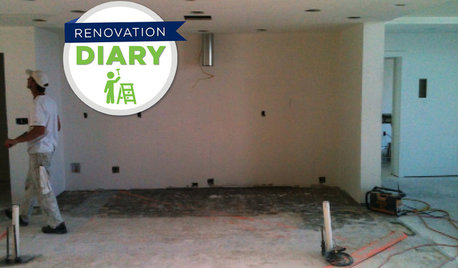
REMODELING GUIDESRanch House Remodel: Installing the Interior Finishes
Renovation Diary, Part 5: Check in on a Florida remodel as the bamboo flooring is laid, the bathroom tiles are set and more
Full Story
BASEMENTSA Raw Washington Basement Gets Serenity Now
Neutral tones and custom storage infuse a family's newly finished basement with a restful air
Full Story
CONCRETEWhy Concrete Wants to Crack
We look at the reasons concrete has a tendency to crack — and what you can do to help control it
Full Story
HOUSEKEEPINGHow to Clean and Care for Your Mattress
Find out what you should do to protect your mattress from dust, moisture and stains
Full Story



Your EZ Choice Painting And More