Software
Houzz Logo Print
gle2011

Plant Selection for a Steep Slope

9 years ago
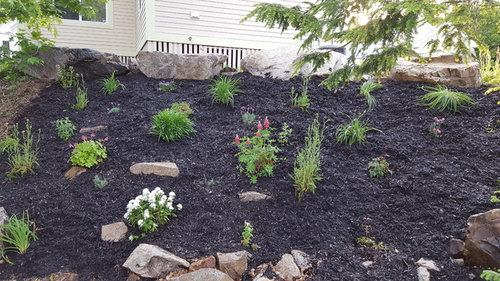

Sorry this is also posted in Landscaping Design section of the blog. I reposted it here in hopes of getting plant selections on plants that thrive in our area of the country. Thanks in advance.

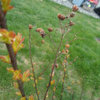
Zone 5b Southern Maine.I have attached a photo of an area I started to renovate with perennials. The developer just cleared the lot above and created the embankment. The area is an extremely rocky slope at approximately a 70 degree angle. The area faces east with filtered shade and sun most of the day.

Planting is done by removing a manageable stone placing in a handful of soil and planting.

Any other plant suggestions that would enhance the area and hold back the mulch would be appreciated. One of our concerns with plant selection is our son is allergic to bees. We are not dead against flowering plants; just do not want any plants that would attract a swam of bees.

Do not want to use conifers.

Has anyone used clematis as a ground cover?

Comments (12)

  • 9 years ago
    last modified: 9 years ago

    Clematis can be grown as a groundcover, but unlike a traditional groundcover it won't do a lot of rooting into the ground IME, so it won't hold the mulch and soil as well as a traditional groundcover. I would be more likely to choose a spreading perennial or a set of them of a similar height that are relatively aggressive rooting spreaders ,plant and then let them duke it out.

    I have a similar slope, and though it isn't rocky, it is fairly poor soil, and I planted it with a combination of orange ditch lilies and Centaurea dealbata, both spreading garden thugs that attract a range of pollinators. The Centaurea is just finishing blooming now and the goldfinches are visiting to feed on the seed heads, and the daylilies will bloom next. I have a variety of other plants in adjacent beds, but something to bloom in August such as goldenrod or rudbeckia, as well as some fall bloomers such as aster or hardy perennial mums would give a long bloom. The bed is about two feet high. A lower arrngement could use some lower growing spreading sun lovers such as a variety of sedums, Veronica 'Georgia Blue', some of the less fussy Saxifrages, and spreading Dianthus/pinks. While they would mostly bloom in spring, the variety of foliage color and texture would provide interest all season. These would make a garden that would be less than a foot high.

    I've also seen suckering shrubs used on slopes.

    gle2011 thanked NHBabs z4b-5a NH
  • 9 years ago

    Thanks NHBabs,

    What are suckering shrubs ?

  • 9 years ago
    last modified: 9 years ago

    Suckering shrubs, like forsythia or ninebark, send out underground runners that then send up stems so the plant gets wider over time. Some, like the two I mentioned will also root from branch tips.

    gle2011 thanked NHBabs z4b-5a NH
  • 9 years ago

    Ninebark is a good thought. I'd get a red leaved selection and mix it with somehing in a light green.


    Ostrich ferns or cinnamon ferns? May Apple? Sweet Fern?

    gle2011 thanked edlincoln
  • 9 years ago

    Look for 'thyme2dig' s posts with pix of her big slope completely planted with shrubs and small trees. It's a model of practical good design.

    No one tells us that ninebark gets mildew. I've got 3 and all of them have some mildew. By summer's end last year one was covered with white. Besides that they sprawl and splay. You want something that will stay neat and keep its shape, even it is a suckering plant.

    Sweet fern (comptonia) is a great spreader and soil stabilizer. You don't need to fill every inch with plants if you are willing to mulch heavily and weed for a few years. Actually that's not a choice. You'll have to mulch and weed if you want your plants to live.

    Another great one: rhus "low grow"; (sumac) and sorbaria....go with "Sem" not the species. It's a rapid spreader, too.

    Please read carefully about the plants before you purchase. Some, like viburnums, sound good but many of these are susceptible to viburnum beetles.

    There are excellent groundcover besides vinca., like macrorizzum geraniums. They do well in shallow soil and spread to make a nearly invincible ground cover

    gle2011 thanked Marie Tulin Boston burbs z 6a
  • 9 years ago
    last modified: 9 years ago

    I came across this site yesterday when looking for drift plantings. It's an extremely steep slope. Not detailed information, but it might be helpful anyway. I noticed in the pictures she used maiden pinks (dianthus). They seem to be able to form pretty strong mat-like coverage, so that might be good for your slope. People with more experience that me can give their opinions.

    Drift graden on a very steep slope

    gle2011 thanked deanna in ME Barely zone 6a, more like 5b
  • PRO
    9 years ago

    Hakone Grass (japanese grasses or ornamental grasses)

    Ferns (Japanese varieties and woodland types)

    Heuchera (plenty of colors that will brighten that spot), Heucharella, and tiarella

    Hostas... there are so many beyond the commonly thought of green ones and the green and white ones. There are a great variety leaf textures and sizes some are large XL, med or small.

    Mostly grown for the lush leaves but they do flower once a season.

    They flower on tall stems/scapes humming birds like them mid summer to late summer depending on the variety. Some have flowers that do not open at all....( I do not know that ID of those hostas off hand- but folks on the hosta forum would know)

    The scapes can easily be snipped off to prevent flowering and thus leading to a more leafy plant (it is said the plant saves its energy).

    They are perennial and good-winter hardy, but they go dormant- for your growing zone (they can be grown as far north as zone 3).

    There are ground cover versions of hostas (that are low growing and spread) or the specimen type ones that clump/mound.

    They need well drained soil -so the rocky slope would seem like a great fit.

    They thrive in the sunlight conditions you mentioned (many people think they can only grow in shade- but it's that they tolerate shade better than most- but they do very well in partial sunlight, too. )

    Check out the hosta forum on gardenweb for a sampling. :)

    Good Luck!

    gle2011 thanked Paradise Alcove LLC
  • 9 years ago

    The footing on the slope is dangerous. Ultimately we would like the slope to have a minimal amount of maintenance with plantings that fill in and provide a lot of season long (May-October) color and texture. We plan on adding some hostas for soil retention and texture. We are not very knowledgeable when it comes to plant selection and growing tendencies. As you can tell there are some tall growing plants in the front I will have move up on top of the hill in the fall. A suggestion of fairly fast low growing robust groundcover(s) would be helpful. There is a large oak in the immediate area; so leave clean-up in the fall and early spring will provide a challenge. The suggestions everyone have given are great; so please keep them coming.....

    Thanks again.

  • 9 years ago

    I use creeping phlox on my slope. It loves sun and requires very little maintenance.

    gle2011 thanked ctgardenguy (Zone 6)
  • PRO
    9 years ago

    how about Sedums, creeping sedums, or Stone Crops... there are a few varieties that are hardy for northern winters.


    http://www.finegardening.com/creeping-sedums

    My zone 4a personal experience with thriving sedums:

    Angelina- I have this variety growing (slowly creeping spreading) but growing without any other touch since I fist tucked it into the ground. I am in a colder growing area and it returned the next year without issue. Nice bright yellow/chartuese color that changes in fall.

    Autumn Joy- grows well small flower display

    John Creech- grows well- spreads nicely- with a small flower display mid-late summer.

    That is just my sample. There are many others different colors, shapes, and heights.


    gle2011 thanked Paradise Alcove LLC
  • 9 years ago

    I would plant Yellow Archangel a fast growing lamium with variegated, textured leaves. I planted a slope I wanted to keep from washing and it fully covered in one season.