Software
Houzz Logo Print
kos_toni09

Citrus for an usually 9a zone.

9 years ago

I'll describe you my climate ,and I will share with you the citrus that I own and the citrus that I'd like to own.

So my zone is usually 9a but this winter we got into the upper teens.This happens every 10-12 years.Some winters dont go below 27 degrees and they arent too rare.

So what I know grows here are mandarins and kumquats I am talking a lot of them everyone has them and they are big.

But what I want are lemons,oranges and grapefruits.And I know a huge lemon tree 40 mins south from me(same zone though)but it is planted in a great microclimate.

What makes me think those plants wouldn't make it here is the low winter temps,this is a solid zone 9a but this isn't florida the daytime highs in january rarely go above 55 degrees and frost is not rare it happens atleast 20 times in a winter.

What is different from an US zone 9a is that the cold snaps here never go below 17 degrees which is our record low.

So enlighten me with varieties that don't mature in the middle of the winter.

Oh yeah and just so that you get a general idea of what grows in my garden unprotected:a huge weird bitter seedless grapefruit tree(it looks like a grapefruit it probably isn't),a kumquat tree and 2 mandarin trees(xie shan and kishu).


Comments (19)

  • 9 years ago
    last modified: 9 years ago

    Meyer lemon may be able to grow in 9a, as long as it's not a young plant.

    Duncan grapefruit

    Minneola tangelo

    Texas Star and Ruby Red grapefruit should do ok, as long as you have a lot of heat in the early part of the year.

    Cocktail grapefruit is also pretty cold hardy

    Without telling us exactly where you live, it's difficult to really give specifics. For example, what are temperatures like in April, have they already warmed up by then? Are there sometimes late Spring freezes?

    There are several more obscure citrus varieties that would do just fine in zone 9a but they generally are not the best eating quality and are very seedy. (Generally people do not get that desperate unless they're in zone 8 or 7)

  • 9 years ago

    I found a large lime tree (in the ground) on Tybee Island, GA (zone 8b), though it may be an exception?

  • 9 years ago

    Parker april is already warmed up but it's never hot usually in the upper sixties.

    And frost in march is not rare(first two weeks),but it is extremely rare in april.

    I live in the north coast of Croatia on the west coast of Istria lots of olive tree and grape vine orchards,but citrus does better south.

  • 9 years ago

    Kelley I accidentally left a lime out on our first frost night and it got to 31f for 6 hours the tree was toasted so there is no way it would survive the 20's.


  • 9 years ago

    Harvey lemon 10F

    6b Steve

  • 9 years ago

    Carol,thank you for the link to that site it helped a lot but the problem is that there is no way to get those varieties here.

    The bloomsweet grapefruit sounds like the perfect candidate,but again I can't get it here.Does anyone know a good site that will ship that variety of grapefruit to Croatia.

    As for the figs,they are a weed here there are literary fig forests because birds eat them out of people's yards and they spread the seeds everywhere.

    This question is off topic but since u have experience do you think that a hardy avocado cultivar could grow and produce fruit in a climate that is cool/cold from november to march(first week) and receives regular light frost with a few freezes.


  • 9 years ago

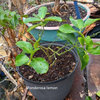
    I live in a 9a climate, Southeast Texas near Beaumont. I seldom get in the teens but I can count on at least a few nights down into the 20s. My soil is compact clay and it's very wet here during the spring and it can dry out to the point that I have to water some during the heat of the summers. I grow satsuma oranges, kumquats, dancy tangerine (in a protected microclimate on the south side of my house), meyer lemon, blood orange, and lots of Ponderosa lemon trees (seed grown), and calamondin. I covered all of these trees during nights below 30F while they were small enough to cover. The kumquats, satsumas, Ponderosas, and calamondin do very well without cover after they are old enough so they are almost impossible to cover. The blood orange has not done well without cover and the tangerine suffered some damage even under cover during three nights we had this past winter down in the mid twenties. I haven't had the meyer long enough to give a learned report other than it's doing fine so far in a place I would have thought was too wet. I personally steer clear of avocados and limes. The one lime I have, a sweet lime, froze to the ground but has since returned with graft stock foliage and did fine this past winter without cover. I'm about ready to pull this one out of my yard so I don't have to edge around it. I just don't care for the fruit....just watery nothingness.

  • 9 years ago
    last modified: 9 years ago

    kos_toni I can share with you that my young citrus plantings endured multiple quick dips to the teens several years ago. Most all recovered, but here is how they rated in my yards: [from hardiest to dead]

    cold hardiest: Satsuma Mandarins - 16F only damaged a few leaves

    Mandarins: Clementine, Caffin, LxN, Gold Nugget, Page

    Oranges: Trovita, Fukumoto, Washington, Valencia, Cara, Newhall

    Grapefruits: Redblush, Flame, Oroblanco [1 no problem, 1 malnourished dead back to graft- revived]

    Lemons: Lisbon, Santa Teresa - significant damage

    Meyer Lemon - major damage, revived

    1 of 3 dead: [16F] Bearss lime [largest tree came back quickly], Volk rootstock damaged

    1 of 2 dead: [16F] V.PinkEureka: 1 dead, one came back from the graft !

    XXXquats - [hate them/love them] Eustis grew back from the graft, Fukushu came back from severe defoliation, Orangequats' rootstock damaged [Cuban Shaddock], Tavares....>> - all 'quat fruit destroyed before maturity.

    dead: Tahitian Pummelo

    Anything that you can do to provide a bit of extra heat in the winter (warm rocks, sunlight - anything - will help greatly). Think micro-climates; and the wind is your enemy.

    I do get mid 20's nearly every winter and every few years a dip to the teens so the probability of me getting the 'quat fruit to maturity is about 50/50. I have prepared the shovels!

    Here is the Bearss Lime a few weeks after the dip to 16F....

    and here it is last week:

  • 9 years ago

    John it seems that my climate is just slightly colder than yours.As for the tangerines I don't know what you have in the states but the tangerines here are just as hardy as the mandarins.It's just that they are too sweet for me I enjoy citrus that is slightly acidic,tangerines are just sugary water to me that is hard to peel which makes them even more hideous in my eyes.

  • 9 years ago

    Molewacker,wow that list is extremely helpful,are the Japanese oranges hardier than the European varieties.The bearss lime recovery is amazing I tought those guys would get completely fried in with quick dips in the 30's.

    Oh and one more maybe stupid question do you think that a mandarin that isn't grafted would grow as tall as other citrus(15-20ft)?

  • 9 years ago

    kos: I updated my earlier post a bit. the oranges all were rather similar, but I did see slight differences. I suspect those differences were mainly due to the slight micro-climates and wind exposure within the yard. In general, the better nourished and healthy trees fared better in the freeze. [keep them fed well, really well !!!]

    I cannot answer your question about a non-grafted mandarin... perhaps someone else here could.... good luck!

  • 9 years ago

    I have a seed grown cold hardy tangerine tree and it grows like a weed and could top 20-30 feet at maturity. Pick your tangerines when they are sill somewhat green. They will be more tart with much less sugar. My meiwa kumquats have a sweet skin when still mostly green with a semi tart interior.

    6b Steve

  • 9 years ago
    last modified: 9 years ago

    Replying to kos_toni09

    I don't know about oranges specifically but some of the Japanese citrus fruits are hardier than European varieties. Oranges were not that popular traditionally in Japan. What is more common are a category of fruits similar to oranges but somewhat closer to mandarins, which makes them cold hardier. (A typical example found in this category is Kunenbo)

    Typically citrus (and other fruit trees in general) that are not grafted grow much taller (and take much longer before they start producing any fruit). However, many mandarin varieties already do not grow that tall, so I would guess that grafting may have a much smaller effect on their height. (A mandarin tree grown on its own roots might get 7 to 12 feet high)

  • 9 years ago

    Poncirus guy thank you for the tip,when tangerines will be in season I will grow one from seed.Maybe I'll get lucky

  • 9 years ago

    Parker turtle I know about the rare Japanese citrus.But I want an actual orange.

    It would survive my winters I know because people keep them in pots outside the whole year,and they survive but the fruit doesn't,so I would need a super early orange variety that matures in the beginning of November.

  • 9 years ago
    last modified: 9 years ago

    kos_toni, there are a 2-3 nurseries in Italy and France with a large collection of uncommon (in Europe) citrus. I just can't recall any names right now. The one in Italy is particularly impressive, so much so that it might be worth a road trip. You are quite close by.

    Ambersweet, for all intents and purposes an orange but really an orange-mandarin-tangelo hybrid may suit your purposes. I'm not sure if you can obtain it though.

    Salustiana, Hamlin, Cadenera common oranges are early maturing. I'm sure you can obtain the first and the latter in Europe. Salustiana is a very good orange.

    Atwood, Fisher and Navelina are early maturing navels. I'm sure you can easily get the latter, I don't know about the first two.

    No idea about the cold hardiness of above oranges though. Also, I cannot comment about the rootstocks you might be able to obtain all above and their suitability to your climate and soil.... That unfortunately is an additional complication, especially when one needs to obtain locally uncommon varieties for planting in the ground.

    No common lemon variety I know of is generally suitable for your winters. Maybe if you can provide some 9b microclimate and protection from the wind...

    Be aware that maturity date is influenced by heat units, so if your climate cannot provide adequate heat during the summer, the fruit may mature later or not at all.

    Also, the tree surviving a few winters in the ground and then being destroyed in a freezing event that comes every few years may not be what you would like to experience.

  • 9 years ago

    kos buy any tangerine that is grown on your side of the equator and is ripe well before your first frost to be sure your tree ripens yours before frost forces your tree out of the sun and under lights.

    6b Steve

  • 9 years ago

    Kos-_toni09, I am commenting on your question about Avocados. I have a Joey avocado which is very cold hardy. Mine is still in a pot. I killed my other one by putting one of the Jobes citrus fruit at the very edge of the pot so I bought another.

    Then I read that the Joey avocado wasn't that great. Now I have a Brogden which is also still in a pot. It goes down to 22 degrees so the tag says.

    I am terribly afraid of avocados since I have lost 5 trees so far. I believe, now, I will plant them high with plenty of compost - so of in a berm.

    Carol