

Long time follower, just joined
9 years ago


Sort by:Oldest
Comments (4)
Related Stories
LIFEChore Time: How to Work Better as a Family
That’s not just a crumb-strewn counter or a yard scattered with leaves. It’s a valuable opportunity
Full Story
HOUSEKEEPINGIt’s Time to Clean Your Gutters — Here’s How
Follow these steps to care for your gutters so they can continue to protect your house
Full Story
ORGANIZINGHow to Organize Your Kitchen Dishes and Glassware
Follow these steps to straighten up your kitchen cabinets and shelves so they’re a pleasure to use
Full Story
FEEL-GOOD HOMEHow to Simplify Your Life, All Year Long
Follow our 12-month plan to keep your to-do lists manageable and your home in good order
Full Story
REMODELING GUIDESFollow a Ranch House Renovation From Start to Finish
Renovation Diary, Part 1: Join us on a home project in Florida for lessons for your own remodel — starting with finding the right house
Full Story
LIFESimple Pleasures: A Long Winter’s Nap
This time of year we can always use a little extra rest. Make it easy with these ideas for daytime napping
Full Story
DECORATING GUIDESImproving a Rental: Great Ideas for the Short and Long Haul
Don't settle for bland or blech just because you rent. Make your home feel more like you with these improvements from minor to major
Full Story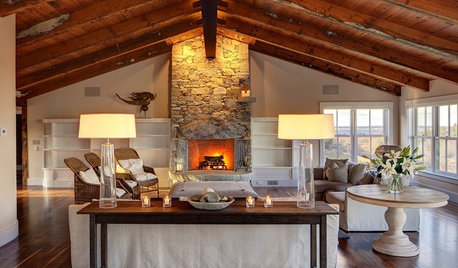
LIGHTINGLong Winter Nights Call for Better Interior Lights
Follow this lighting pro’s 4 easy steps to make your home more comfortable this season
Full Story
ARCHITECTUREDesign Workshop: Just a Sliver (of Window), Please
Set the right mood, focus a view or highlight architecture with long, narrow windows sited just so on a wall
Full Story
PRODUCT PICKSGuest Picks: Time to Buy a Clock
Cell phone screens just can’t compete with the charm of analog timepieces like these
Full Story

dchall_san_antonio
reeljake
Related Professionals
Charlottesville Landscape Architects & Landscape Designers · Binghamton Landscape Architects & Landscape Designers · Sarasota Landscape Contractors · Rolla Landscape Contractors · Fall River Landscape Contractors · Lansing Landscape Contractors · Rochester Landscape Contractors · Pueblo Landscape Contractors · Kalispell Landscape Contractors · Newport News Home Builders · Stamford Home Builders · Champaign Home Builders · Brooklyn Home Builders · Wheeling Home Builders · Edmonton Home BuildersBrady
dchall_san_antonio