

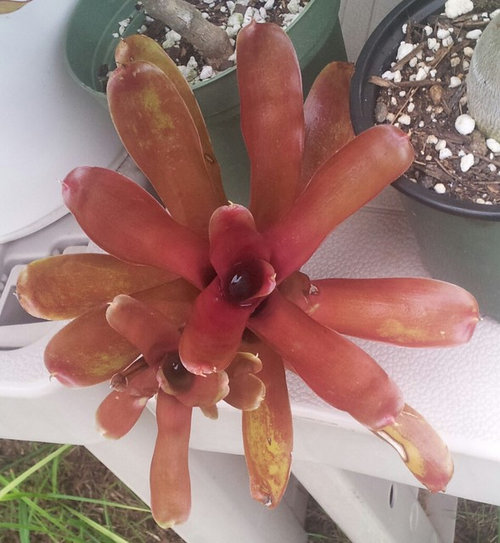
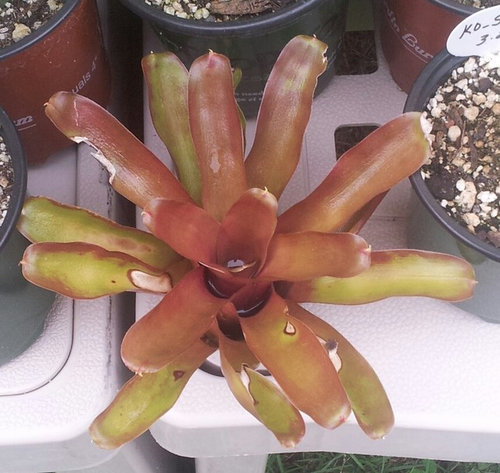
More Bromeliad ID help, please
9 years ago
Sort by:Oldest
Comments (2)

Related Stories
SELLING YOUR HOUSEHelp for Selling Your Home Faster — and Maybe for More
Prep your home properly before you put it on the market. Learn what tasks are worth the money and the best pros for the jobs
Full Story
ORGANIZINGDo It for the Kids! A Few Routines Help a Home Run More Smoothly
Not a Naturally Organized person? These tips can help you tackle the onslaught of papers, meals, laundry — and even help you find your keys
Full Story
BEFORE AND AFTERSMore Room, Please: 5 Spectacularly Converted Garages
Design — and the desire for more space — turns humble garages into gracious living rooms
Full Story
LIFEYou Said It: ‘Put It Back’ If It Won’t Help Your House, and More Wisdom
Highlights from the week include stopping clutter from getting past the door, fall planting ideas and a grandfather’s gift of love
Full Story
COLORBedroom Color: The Secret to More Sex and More Sleep
Look to surprising revelations about bedroom wall colors to get more of what you want
Full Story
DECORATING GUIDESMore Is More: The 10 Tenets of Maximalist Style
Ready to join the school of over-the-top design? Learn how to embrace excess in your interiors
Full Story
HOME OFFICESQuiet, Please! How to Cut Noise Pollution at Home
Leaf blowers, trucks or noisy neighbors driving you berserk? These sound-reduction strategies can help you hush things up
Full Story
GARDENING GUIDESGreat Design Plant: Silphium Perfoliatum Pleases Wildlife
Cup plant provides structure, cover, food and water to help attract and sustain wildlife in the eastern North American garden
Full Story
BUDGET DECORATING14 Ways to Make More Money at a Yard Sale — and Have Fun Too
Maximize profits and have a ball selling your old stuff, with these tips to help you plan, advertise and style your yard sale effectively
Full Story
ORGANIZINGDecluttering Help: What to Do When Too Many Things ‘Spark Joy’
Get rid of duplicates, eliminate decor you don’t display and let go of items you feel more obligation about than joy
Full Story
Sponsored
splinter1804
Maria Elena (Caribbean - USDA Zone 13a)Original Author
Related Professionals
Dover Landscape Architects & Landscape Designers · Elizabeth City Landscape Architects & Landscape Designers · Cookeville Landscape Architects & Landscape Designers · Taunton Landscape Architects & Landscape Designers · Cornwall Landscape Architects & Landscape Designers · El Dorado Landscape Contractors · Baltimore Landscape Contractors · Austin Landscape Contractors · Ithaca Landscape Contractors · Clearlake Landscape Contractors · Santa Rosa Landscape Contractors · Valdosta Architects & Building Designers · Evansville Architects & Building Designers · Gloucester Architects & Building Designers · Willmar Architects & Building Designers