

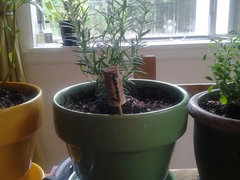
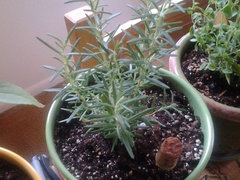
Rosemary Confusion
9 years ago
Featured Answer
Sort by:Oldest
Comments (7)
 9 years ago
Related Professionals
Tuscaloosa Landscape Architects & Landscape Designers · Springfield Landscape Architects & Landscape Designers · Plymouth Landscape Architects & Landscape Designers · Queens Landscape Architects & Landscape Designers · Myrtle Beach Landscape Contractors · Nashville Landscape Contractors · Morgantown Landscape Contractors · Seattle Landscape Contractors · Lake City Home Builders · Bowling Green Home Builders · Woodward Home Builders · Rock Hill Home Builders · Cookeville Home Builders · Omaha Home Builders · Lake Havasu City Home Builders 9 years ago
 9 years agolast modified: 9 years ago
 9 years ago


Related Stories

CONTAINER GARDENSContainer Garden Basics: How and When to Water Potted Plants
Confused about soil moisture, the best time to water and what watering device to use? This guide can help
Full Story
LANDSCAPE DESIGNLandscaping Magic Fixes a Dangerous Sloped Yard
It had scary parking, a confusing entry and erosion issues. See how this steep California landscape gained safety, beauty and clarity
Full Story
LANDSCAPE DESIGNHow to Pick the Right Paving and Decking Material
Once you’ve got the walls or fences of your garden figured out, it’s time to consider the ground surface or floors
Full Story
FEEL-GOOD HOME9 Smells You Actually Want in Your Home
Boost memory, enhance sleep, lower anxiety ... these scents do way more than just smell good
Full Story
MOST POPULARHow to Get Rid of Those Pesky Summer Fruit Flies
Learn what fruit flies are, how to prevent them and how to get rid of them in your home
Full Story
COLOR12 Tried-and-True Paint Colors for Your Walls
Discover one pro designer's time-tested favorite paint colors for kitchens, baths, bedrooms and more
Full Story
GARDENING AND LANDSCAPINGPorch Life: Banish the Bugs
Don't let insects be the bane of your sweet tea and swing time. These screening and product ideas will help keep bugs at bay on the porch
Full Story
GARDENING GUIDESNew Ways to Think About All That Mulch in the Garden
Before you go making a mountain out of a mulch hill, learn the facts about what your plants and soil really want
Full Story
LANDSCAPE DESIGN10 Ways to Create a Romantic Garden
Delve into a sensual garden design that sings of love and speaks to the senses
Full Story


gardengal48 (PNW Z8/9)