

Couple Quick Questions
9 years ago
Sort by:Oldest
Comments (4)

Related Stories
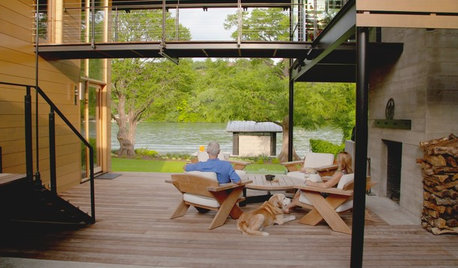
MODERN ARCHITECTUREHouzz TV: This Amazing Lake House Made a Couple’s Dream Come True
Step inside a dream home on Lake Austin, where architecture celebrating gorgeous views has a striking beauty of its own
Full Story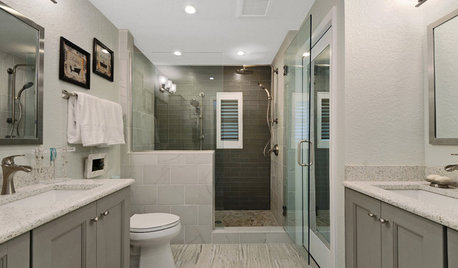
INSIDE HOUZZSee a Couple’s New Spa-Like Bathroom From Lowe’s and Houzz
The sweepstake winners’ master bathroom gets a makeover with a new shower, tile and storage space
Full Story
HOUSEKEEPINGThe Quick and Easy Way to Clean a Microwave
All you need is water and a couple of other natural ingredients to get your appliance sparkling and smelling fresh again
Full Story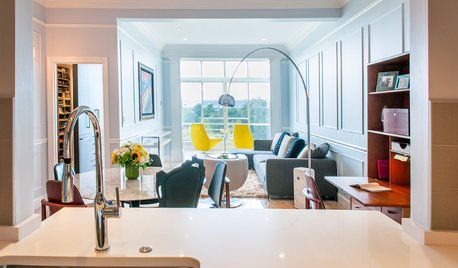
DECORATING GUIDESHouzz Tour: Couple Pares Down and Pumps Up the Style
A big transition from a large suburban house to a 1,200-square-foot urban condo is eased by good design
Full Story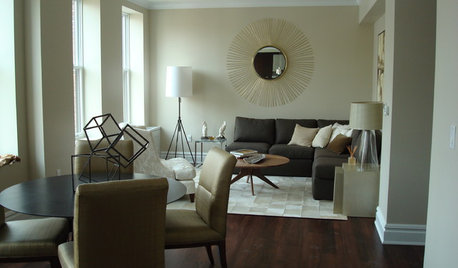
LIFEWhen Your Tastes Clash: How to Design and Decorate as a Couple
Want to keep the peace? Work with both of your styles when remodeling, decorating or building new, for a home that feels right to all
Full Story
SHOP HOUZZHouzz Products: Great Wedding Gifts for Modern Couples
Give newlyweds a gift as memorable as the day itself, to have and to hold in a special place at home
Full Story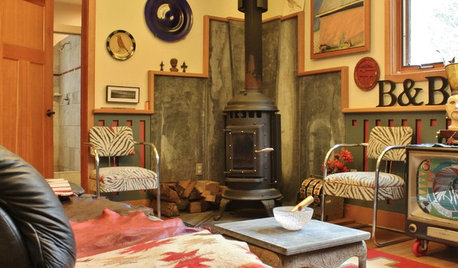
HOUZZ TOURSMy Houzz: An Artistic Craftsman Home Fulfills a Couple’s Dream
After nearly 40 years, two working artists build their art-filled dream home
Full Story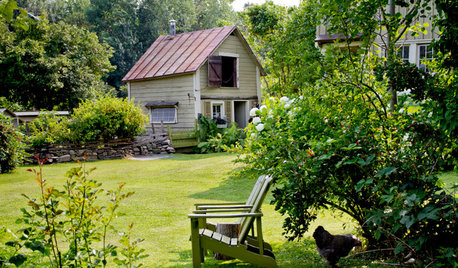
INSPIRING GARDENSMy Houzz: DIY Love and Nature-Inspired Colors Update a Couple’s Garden
Secondhand finds and favorite pieces add whimsical beauty to this animal-loving couple’s property
Full Story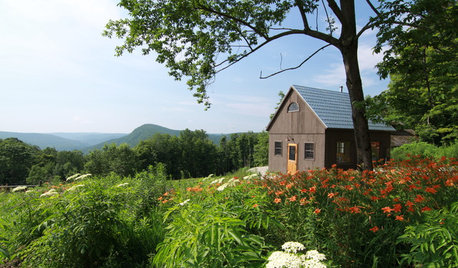
CABINSRoom of the Day: Timber-Frame Cabin Inspires Couple’s Creative Pursuits
This work studio, built in a simple vernacular architectural style, sits near a couple's rural home in the Berkshire mountains
Full Story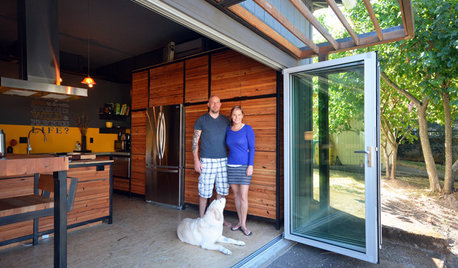
MY HOUZZHouzz TV: A Couple’s Garage Becomes Their Chic New Home
Portland, Oregon, homeowners find freedom in a city-approved garage home with DIY industrial flair
Full Story



Brad KY 6b
hoosier_nan (IN z5b/6a)
Related Professionals
Johnson City Landscape Architects & Landscape Designers · Corpus Christi Landscape Architects & Landscape Designers · Nashua Landscape Architects & Landscape Designers · Bozeman Landscape Architects & Landscape Designers · Covington Landscape Contractors · Hempstead Landscape Contractors · Cowansville Landscape Contractors · Houma Home Builders · Clarksdale Home Builders · Jackson Home Builders · Cedar Rapids Home Builders · Lafayette Home Builders · Mansfield Home Builders · Orange County Home Builders · Vancouver Home Buildersbsmith0023 (z8b coastal SC)Original Author
dick_in_ohio