

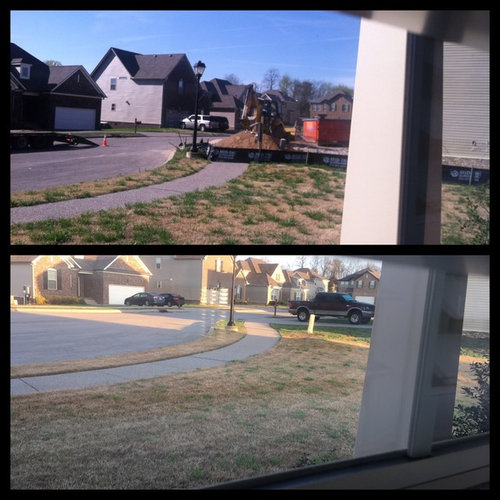
Image or Celcius?
9 years ago
Sort by:Oldest
Comments (3)

Related Stories

HOLIDAYSInternational Traditions: Christmas at Home in Australia
Diving into pools and brandy-laced pudding with equal gusto, Australians keep on the sunny side at Christmastime
Full Story
LIFEHouzz Call: How Are You Handling the Record-Breaking Cold?
Share your tales, strategies and photos for everything polar vortex
Full Story
POOLSSolstice Daydream Break: 10 Breathtaking Swimming Pools
Put Jack Frost's nipping out of mind with a virtual dip in 10 covetable Australian swimming spots
Full Story
HOUZZ TOURSMy Houzz: A South Australia Home Comes Down to Earth
Rammed-earth walls embrace nature, stand up to harsh coastal conditions and create an indoor-outdoor connection for this artist's home
Full Story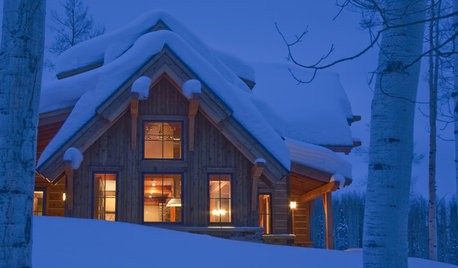
LIFEIs Cabin Fever Real? Share Your Story
Are snow piles across the U.S. leading to masses of irritability and boredom? We want to hear your experience
Full Story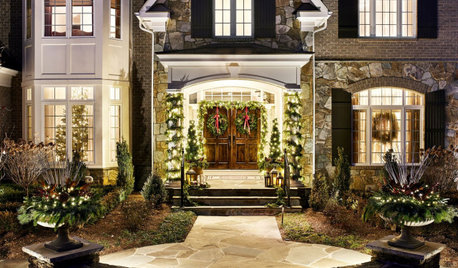
CURB APPEAL9 Ways to Boost Winter Curb Appeal
No blossoms and a barren yard? You can still make your home attractive and inviting from the street
Full Story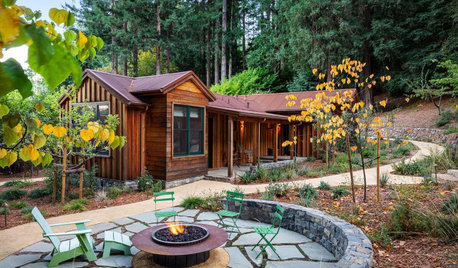
FALL GARDENING7 Reasons Not to Clean Up Your Fall Garden
Before you pluck and rake, consider wildlife, the health of your plants and your own right to relax
Full Story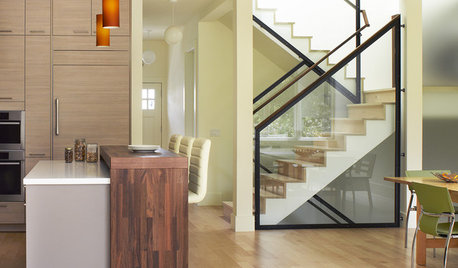
FLOORSIs Radiant Heating or Cooling Right for You?
Questions to ask before you go for one of these temperature systems in your floors or walls (yes, walls)
Full Story
WINDOW TREATMENTSSmall Luxuries: Motorized Window Coverings Offer Benefits to All
Free yourself from the mess of cords and the bother of blind rods. Motorized blinds and drapes make managing natural light easy
Full Story
MODERN HOMESHouzz Tour: Complexity Hides Inside a Concrete Box
Don't be fooled by the monolithic exterior. This Canadian home is more open, light and multifaceted than it may seem
Full Story
Sponsored
tech biker
PLF (Middle TN, Zone 7a)Original Author
Related Professionals
Dalton Landscape Architects & Landscape Designers · Quincy Landscape Architects & Landscape Designers · Bloomington Landscape Architects & Landscape Designers · Fort Worth Landscape Architects & Landscape Designers · Oneonta Landscape Architects & Landscape Designers · Platteville Landscape Architects & Landscape Designers · Coeur d'Alene Landscape Architects & Landscape Designers · Fort Dodge Landscape Contractors · Pittsfield Landscape Contractors · Lake Havasu City Landscape Contractors · Calgary Landscape Contractors · Vincennes Home Builders · Sedalia Home Builders · Alpena Home Builders · Los Angeles Home Builderstech biker