

2 cm Silestone vs 3 cm?
9 years ago
Featured Answer
Sort by:Oldest
Comments (9)
 9 years agolast modified: 9 years ago
- 9 years ago
Related Professionals
Marietta Kitchen & Bathroom Designers · Oxnard Kitchen & Bathroom Designers · Palm Desert Kitchen & Bathroom Designers · Hays Kitchen Remodelers · Morgan City Kitchen Remodelers · New London Kitchen Remodelers · Clearlake Kitchen Remodelers · Edmonton Kitchen Remodelers · Bartlesville Custom Countertops · Charleston Custom Countertops · Oneonta Custom Countertops · Toledo Custom Countertops · Westerly Custom Countertops · Santa Fe Custom Countertops · Amherstburg Custom Countertops 9 years ago
- 9 years ago
- 9 years agolast modified: 9 years ago
- 9 years ago
- PRO9 years ago
 PRO9 years ago

Related Stories
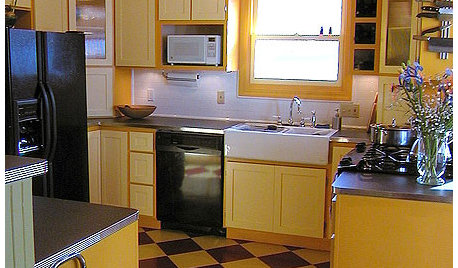
KITCHEN DESIGNKitchen Remodel Costs: 3 Budgets, 3 Kitchens
What you can expect from a kitchen remodel with a budget from $20,000 to $100,000
Full Story
SMALL SPACESNew This Week: 3 Powder Rooms, 3 Winning Styles
Traditional, contemporary and modern farmhouse looks transform these small spaces
Full Story
HOUZZ TOURSMy Houzz: Craftiness and Color in 3 Charming Virginia Spaces
See how a sewing maven with a passion for thrift put her exuberant creativity to work in her cottage, shed and studio
Full Story
LIVING ROOMSNew This Week: 3 Living Rooms That Ditch the Tech for Family
Quiet and serene, these spaces invite family and friends to congregate
Full Story
KITCHEN SINKSThe Case for 2 Kitchen Sinks
Here’s why you may want to have a prep and a cleanup sink — and the surprising reality about which is more important
Full Story
KITCHEN DESIGNSweet Ideas and a Truffle Recipe from a Chocolatier's Test Kitchen
A $2,100 budget didn't mean a half-baked kitchen redo; this confectioner just rolled up her sleeves and rolled out the improvements
Full Story
HOUZZ TOURSMy Houzz: Treasure Hunting Pays Off in Maryland
Artfully layered accessories and patterns plus an eclectic furniture mix make for intriguing decor with vintage flair
Full Story
HOUZZ TOURSHouzz Tour: Pushing Boundaries in a Sydney Cottage
Expanding and adding on give an Australian family an extra bedroom, an office and — at long last — an indoor bathroom
Full Story
HOUZZ TOURSMy Houzz: Thrifted Chic With Art Deco Touches in Brussels
Online and flea market finds form a happy union with art deco pieces and DIY projects in this Belgian family's home
Full Story
Joseph Corlett, LLC