

Cool Season Lawn Program Question
9 years ago
last modified: 9 years ago
Sort by:Oldest
Comments (3)
Related Stories
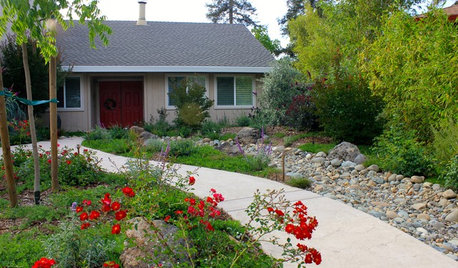
LANDSCAPE DESIGNCalifornia Says Goodbye to the Sprawling Ornamental Lawn
New state rules will effectively limit turfgrass to 25 percent of the landscape in most new and renovated yards
Full Story
GARDENING GUIDESNo-Regret Plants: 5 Questions Smart Shoppers Ask
Quit wasting money and time at the garden center. This checklist will ensure that the plants you're eyeing will stick around in your yard
Full Story
LANDSCAPE DESIGN10 Questions to Ask a Landscape Designer
Discover how to choose the best designer for your yard and avoid surprises down the line
Full Story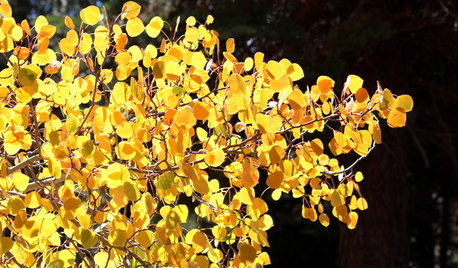
LANDSCAPE DESIGNGreat Design Plant: Quaking Aspen for 3-Season Beauty — on Its Own Turf
It offers bright fall foliage, snowy winter bark and lush green leaves in summer. Just don't try to plant quaking aspen away from its home
Full Story
GARDENING GUIDESHow to Plant a New Lawn From Seed
Choose from more grass varieties and save money over sod by starting your lawn from seed
Full Story
BEFORE AND AFTERSSee 6 Yards Transformed by Losing Their Lawns
Wondering whether a turf lawn is the best use of your outdoor space? These homeowners did, and they found creative alternatives
Full Story
EARTH DAYThe Case for Losing the Traditional Lawn
Work less, help the environment and foster connections by just saying no to typical turf
Full Story
LANDSCAPE DESIGN15 Great Ideas for a Lawn-Free Yard
End the turf war for good with hardscaping, native grasses and ground covers that save water and are easier to maintain
Full Story
REMODELING GUIDES6 Tricky Questions to Ask When Planning Your New Kitchen
Addressing these details will ensure a smoother project with personalized style
Full Story
FRONT YARD IDEASBefore and After: Front Lawn to Prairie Garden
How they did it: Homeowners create a plan, stick to it and keep the neighbors (and wildlife) in mind
Full Story
Sponsored
mishmosh
Joe BigBlue
Related Professionals
Binghamton Landscape Architects & Landscape Designers · Bakersfield Landscape Architects & Landscape Designers · Billings Landscape Architects & Landscape Designers · Magnolia Landscape Contractors · Brunswick Landscape Contractors · Monroe Landscape Contractors · Gulfport Landscape Contractors · Athens Landscape Contractors · Virginia Beach Landscape Contractors · Williamsburg Landscape Contractors · Edmonton Landscape Contractors · Bloomington Home Builders · Orangeburg Home Builders · Georgetown Home Builders · Coldwater Home Buildersdchall_san_antonio