

Magnolia Pruning
8 years ago

Featured Answer
Sort by:Oldest
Comments (7)
 8 years ago
 8 years ago
Related Professionals
Hopkinsville Landscape Architects & Landscape Designers · Tupelo Landscape Architects & Landscape Designers · Atlantic City Landscape Architects & Landscape Designers · Minneapolis Landscape Architects & Landscape Designers · Mansfield Landscape Architects & Landscape Designers · Kahului Landscape Architects & Landscape Designers · Westminster Landscape Contractors · Jackson Landscape Contractors · Gloucester Landscape Contractors · Youngstown Landscape Contractors · Redding Landscape Contractors · Lewiston Landscape Contractors · Mansfield Home Additions · Salt Lake City Home Additions · Amherstburg Home Additions- 8 years agolast modified: 8 years ago
- 8 years ago
- 8 years ago
- 8 years agolast modified: 8 years ago
Related Stories
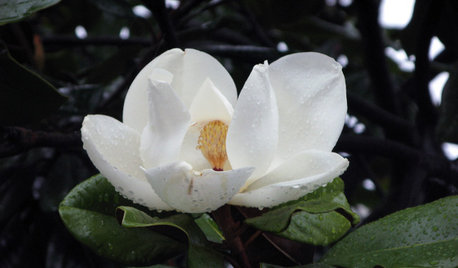
TREESGreat Design Plant: Southern Magnolia, Iconic U.S. Native
Massive, fragrant blooms and deep green leaves set Magnolia grandiflora apart from other large shade trees
Full Story
GARDENING AND LANDSCAPINGGreat Design Tree: Star Magnolia
Winter-blooming magnolia is a stellar plant for all seasons
Full Story
LANDSCAPE DESIGNGreat Design Plant: Saucer Magnolia
Witness its glorious spectacle in early spring, but this specimen tree brings other delightful visuals to a garden too
Full Story
CALIFORNIA GARDENINGCalifornia Gardener's February Checklist
Celebrate 5 California classics: plants that defy winter with bright flowers, luscious fragrance and, for some, delicious taste
Full Story
FALL GARDENING6 Trees You'll Fall For
Don’t put down that spade! Autumn is the perfect time for planting these trees
Full Story
SPRING GARDENING7 Spectacular and Practical Spring-Flowering Trees
Put on a beauteous show in the garden with a landscape tree awash in flowers — just do your homework first
Full Story
GARDENING GUIDESGreat Design Plant: Chionanthus Virginicus
Lacy flowers cover native white fringetree in spring, and birds feed off its berries in winter
Full Story
GARDENING GUIDES10 Plants for Colorful Fall Blooms in the Drought-Tolerant Garden
Want fall color but not a big water bill? Consider these not-too-thirsty fall bloomers
Full Story
GARDENING GUIDES5 Best-Behaved Trees to Grace a Patio
Big enough for shade but small enough for easy care, these amiable trees mind their manners in a modest outdoor space
Full Story
DECORATING GUIDESDecorate With Winter Berries
Gather up branches with bright-red berries for instant holiday color
Full Story



ken_adrian Adrian MI cold Z5