

Energy efficient water tank?
9 years ago
Featured Answer
Sort by:Oldest
Comments (12)
 PRO9 years ago
 9 years ago
Related Professionals
Middletown General Contractors · Macon General Contractors · Chillicothe General Contractors · Sioux City General Contractors · Twin Falls General Contractors · Mountain Home Home Remodeling · Panama City Home Remodeling · Morgan City Home Remodeling · Aiken Home Remodeling · Grand Rapids Home Remodeling · Brattleboro Home Remodeling · Tupelo Bathroom Remodelers · Charlottesville Bathroom Remodelers · Des Moines Bathroom Remodelers · Las Cruces Bathroom Remodelers- PRO9 years ago
- 9 years ago
- 9 years ago
- 9 years ago
- 9 years ago
- 9 years ago
Related Stories
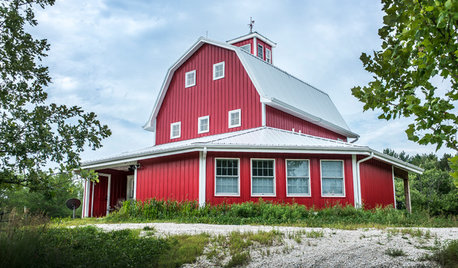
BARN HOMESHouzz Tour: An Energy-Efficient Barn Graces the Nebraska Landscape
Passive-house technologies and a rain-harvesting and greywater system conserve natural resources in this weekend country home
Full Story
HOUZZ CALLShow Us Your Sustainable, Green and Energy-Efficient Homes
Share your earth-friendly home or project. It could be featured in an upcoming article
Full Story
ARCHITECTUREPersonal Spaces: 8 Homes That Upped Their Energy Efficiency
Get ideas for collecting greywater, building with rammed earth and siting houses to take advantage of the sun
Full Story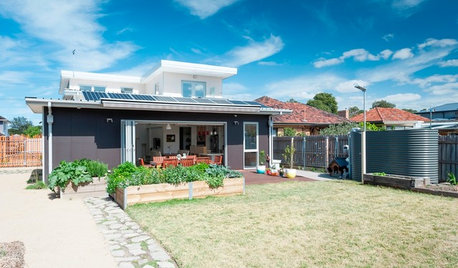
GREEN BUILDINGHouzz Tour: An Energy-Efficient Home for 3 Generations
This Australian house takes sustainability and accessibility to a new level
Full Story
GREEN BUILDINGBuilt for Energy Efficiency in a Cold Climate
This Calgary, Canada, duplex is LEED Platinum-certified despite the area’s freezing weather much of the year
Full Story
MY HOUZZMy Houzz: Renovation Brings Energy Efficiency to a Netherlands Home
A family of 5 tackles a potentially large gas and electric bill in a 19th-century house
Full Story
CONTEMPORARY HOMESHouzz Tour: Toasty Warm and Energy-Efficient in Utah Ski Country
An architect builds his own first home with passive house standards at the forefront
Full Story
VACATION HOMESHouzz Tour: Modern and Energy-Efficient on Cape Cod
A new vacation home nods to the architectural history of its Massachusetts coastal community
Full Story
HOUZZ TOURSEnergy Efficiency and a Nod to Midcentury Modernism
An architect designs a new home in Massachusetts to relate to the landscape and the area’s design heritage
Full Story
MODERN HOMESMy Houzz: Modern Exposure and Energy Efficiency in Toronto
A Canadian architect transforms an outdated bungalow into a thoroughly modern family home
Full Story

Ryan Olivieri, Inc.