

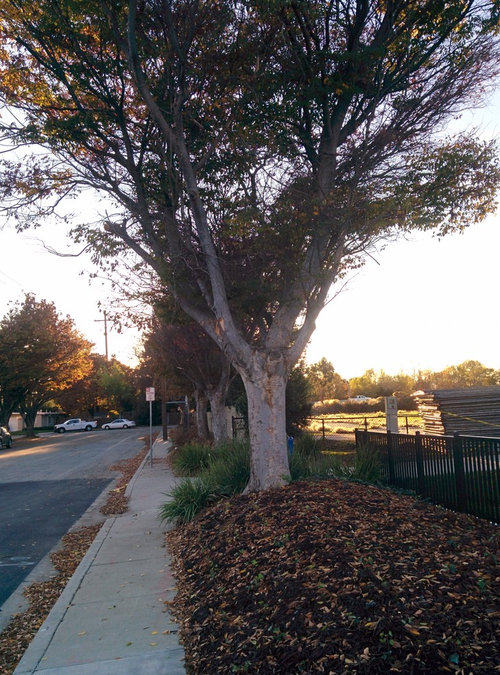
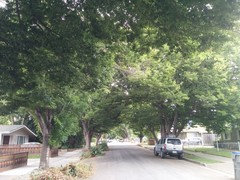
Why is this Zelkova doing so poorly?
9 years ago
last modified: 9 years ago
Featured Answer
Sort by:Oldest
Comments (13)
Related Professionals
Owensboro Landscape Architects & Landscape Designers · Lawrenceburg Landscape Architects & Landscape Designers · Brainerd Landscape Architects & Landscape Designers · Montrose Landscape Architects & Landscape Designers · Atlanta Landscape Contractors · Salisbury Landscape Contractors · Tupelo Landscape Contractors · Cincinnati Landscape Contractors · Anniston Landscape Contractors · Lansing Landscape Contractors · Monroe Landscape Contractors · Merced Landscape Contractors · Williamsburg Home Additions · Plainfield Home Additions · Odessa Home Additions 8 years agoofdm (South Bay Area CA zone 9b) thanked ken_adrian Adrian MI cold Z5
- 8 years agolast modified: 8 years ago
 8 years agolast modified: 8 years ago
- 8 years agolast modified: 8 years ago
- 8 years ago
- 8 years agolast modified: 8 years ago
- 8 years agolast modified: 8 years ago
- 8 years agolast modified: 8 years ago
 8 years ago
Related Stories
WORKING WITH PROSWhat Do Landscape Architects Do?
There are many misconceptions about what landscape architects do. Learn what they bring to a project
Full Story
FEEL-GOOD HOMEThe Anti-To-Do List: 10 Things You Don’t Need to Be Doing
Aren’t you busy enough? Give yourself a break and consider letting these tasks go
Full Story
MOST POPULARSo You Say: 30 Design Mistakes You Should Never Make
Drop the paint can, step away from the brick and read this remodeling advice from people who’ve been there
Full Story
LIFETell Us: Do You Know How to Live With Your Parents?
If you've tried multigenerational living under one roof, we'd love to hear the details
Full Story
LIFEDo You Believe in Luck Around the House?
Broken mirrors, spilled salt, an unavoidable ladder — superstitions don't seem to affect this homeowner. Knock wood
Full Story
SUMMER GARDENINGHow Are Your Roses Doing? A Complete Summer Guide
Follow these tips to keep your roses healthy and beautiful throughout the warm season
Full Story
MOST POPULARHow Much Room Do You Need for a Kitchen Island?
Installing an island can enhance your kitchen in many ways, and with good planning, even smaller kitchens can benefit
Full Story
REMODELING GUIDESSo You Want to Build: 7 Steps to Creating a New Home
Get the house you envision — and even enjoy the process — by following this architect's guide to building a new home
Full Story
ORGANIZINGDo It for the Kids! A Few Routines Help a Home Run More Smoothly
Not a Naturally Organized person? These tips can help you tackle the onslaught of papers, meals, laundry — and even help you find your keys
Full Story
DECORATING GUIDESCan 1970s Decor Don’ts Be Turned Into Do’s?
Mixed plaids, wood paneling, BarcaLoungers and more are finding their way into chic updated spaces
Full Story





Sara Malone (Zone 9b)