Software
Houzz Logo Print
orneryponystudio

Stored Pollen Hybridizing

8 years ago
last modified: 8 years ago

Yesterday and today I was trying my hand at more tropical hibiscus cross pollination. This is using pollen I had collected and stored from a few weeks ago from earlier flowers of Black Dragon and put on Night Runner blooms.

Because the pollen has been dried and stored cold, I wet it in a mixture of distilled water and a drop of honey on the tip of a toothpick before applying it to the stigma pads, which I'd also spritzed with water to increase humidity. While I do not know if these attempts will take, it is a method I use with other kinds of plants with success the past few years. Online research suggests it should also be a viable method with hibiscus as well.

Lastly, I wanted the excuse to try to take some close up macro shots using my new phone. Not bad! Pollen had already been collected and stored from the Night Runner flowers prior to these shots. Now I wait to see if seed pods will develop. Top photo was taken right after pollination was attempted and the second photo is from a day after from the previous flower.

Comments (37)

  • 8 years ago

    I am learning new things :)) Amazing!

  • 8 years ago

    If you care to do internet searches on the topic of pollen storage, hybridizing, etc you may read up a great deal more. Both concerning hibiscus specifically but for plants in general, as it applies to most flowering plants with some exceptions or variations.

  • 8 years ago

    Patty, I did some marathon reading on different topics in garden web and saw your plants, they are gorgeous! In the plant world I do grafting, air layering, seed propagation. Never ventured in to the hybridization of flowers/ plants. Recently pollinated my phal orchid and it has two seed pods developing. Do you know how long it takes for the seed pods to mature and how to harvest them?

  • 8 years ago
    last modified: 8 years ago

    Btw, /some/ orchids take as long as -two years- for seed pods to mature so phal's are fairly quick by comparison at 6 months. Even a lot of my African Violets take 6 months to mature pods, where as my streptocarpus only take about 8 weeks. One thing I love about working with plants is no matter how much I research and try, there is ALWAYS more to learn that keeps things interesting and fresh. ;)

  • 8 years ago
    last modified: 8 years ago

    Thank you for the wealth of information! I will have to look at how to germinate the orchid seeds at home by learning all the sanitation rules. I looked at pictures and discovered that my orchid was pollinated in October of last year, two month old pods. It was me experimenting with orchid flower pollination and it worked, I pollinated three flowers, but one of them did not make it, the other two are "pregnant". All of them were on one orchid, pollinated by its own pollen. What kind of orchids are going to grow from the future germinated seeds?

  • 8 years ago
    last modified: 8 years ago

    You will need to look up 'flasking', how to make or order and then mix the medium, and all of the handling procedures. Dedicating a bathroom or other small space you can sterilize very thoroughly with bleach or isopropyl alcohol spray is a must. Setting up and using a plastic bin or a 10 gallon aquarium set on it's side for a draft proof enclosed space to slip your hands into while transferring seed will help a lot. If you have problems or questions I can try to help. You may also have a local university that offers classes on flasking or tissue culture to save you a lot of false starts. Good luck! We could start a new thread on that in the orchid forums as I'm sure there are members there who can join and pitch in with additional information.

  • 8 years ago

    Thanks for your advice, I posted in Orchids forum about my orchid seedpods.

  • 8 years ago

    This is fascinating! Did it work?

  • 8 years ago

    The seedpods are not mature yet :)

  • 8 years ago

    As it happens, neither took. But it is winter here and the air is very dry. It is well documented that others have had success with this method so I will try again later.

  • 8 years ago

    Patty, what is the best time for hybridization? I want to do it with my hibiscus flower. The pollen will be from my friends plant.

  • 8 years ago

    If both plants are flowering and therefor everything is fresh, you can pollinate at any time of the year. But that said, success will be better if the temperature is mild to warm (70's to 80's) and the humidity high. There are other issues that complicate matters however.

    Many hibiscus cultivars are sterile or very difficult to cross so if either of them are named varieties, you can do internet searches to see if any data is posted about either of them that might be useful to know. I'd still go ahead and attempt the cross even if one were supposedly sterile though because sometimes you get nice surprises. You loose nothing by trying, except a few seconds of your time. We learn as much or more from our failures than we do from our successes.

  • 8 years ago

    Agree with your last statement :) None of the hibiscus plants are named, just want to try it :)

  • 8 years ago

    Can you name your own hybrid?

  • 8 years ago

    Of course you can! There are a ton of named plants out there that aren't even registered. But if you happened to get lucky enough to have a really outstanding seedling from a cross, you should look into the possibility of registering it. As a general rule however, you should also do research and see if there is anything out there already like it and only attempt to register yours if you think yours is some improvement over the similar ones. By the same token you don't want to use names that are already in use for hibiscus because that would cause confusion. Internet searches are your friend.

  • 8 years ago

    If you end up with something you think is really good and may be worth registering, you'll also want to grow it for a while (couple of years) to see the range of blooms and make sure it's stable. Also, reproduce it by cuttings or grafts to see if those are viable and stable. Good idea to try crossing it too - to see if it will produce seed or is sterile, etc. Then approach a hibiscus society to inquire about their rules to submit a plant for registration. It also depends on whether it is a hardy hibiscus or a tropical because some registries focus on one or the other.

  • 8 years ago

    Thanks so much for sharing your knowledge, you are a very good mentor! :)

  • 8 years ago

    On the subject of registering, you can easily search this database of tropical hibiscus to see if a name is already taken:
    http://www.internationalhibiscussociety.org/SEArchive/SEindex1.php

  • 8 years ago

    Yep, I use that resource myself. Though it is far from complete. I run into tons of named cultivars that aren't there, but you may also check with the other major registries (American, Australian, etc) to do your due diligence research. Personally, I love the IHS and it's my primary go-to. Their global hibiscus genealogy tree page is also a great resource:

    http://www.internationalhibiscussociety.org/SEArchive/index1.php

    Other than that, simple internet searches using 'hibiscus <name>' is also a useful way to see if any hibiscus pop up under the name you might like to use. A lot of the hybridizers use initials or a trade name at the front of their named hybrids to make it much easier and less confusing. Such as 'Moorea' or 'Tahitian' or HVH. Then it matters less if you happen to reuse an already used name because it can still be clear which plant people are discussing. I've seen 'Imperial Blossom' used more than once but it's clear at once if they mean 'Moorea Imperial Blossom' or 'Tahitian Imperial Blossom', etc.

  • 8 years ago

    I am interested to hear if you hibiscus pollination is successful. I have been collecting pollen on a q tip and putting it in the fridge for up to a couple months to try and pollinate - but its not a real good success rate. I would love to find a better long term storage method.

  • 8 years ago

    This particular attempt did not take. Not very surprising though because I tried to do it in the middle of winter. Both temperature and humidity wasn't in my favour but I wanted to try anyway. I will keep trying until that cross takes one way or another once they come back into bloom again. Wendy Williams wrote an article not long ago for the International Hibiscus Society says she has a fairly good success rate using this pollen storage method. But there are a lot of factors that contribute to the success or failure of any given attempt.

  • 8 years ago

    have to look a bit more at the process. would like to find a decent method...


  • 8 years ago
    last modified: 8 years ago

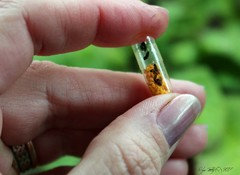
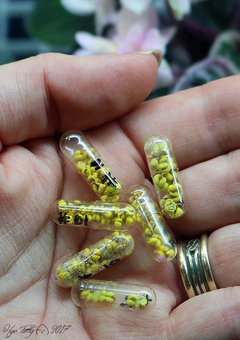
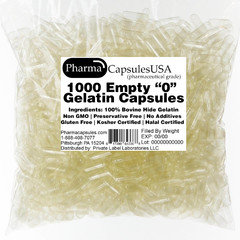
    Personally I store mine in empty gel caps. They are very cheap to buy. Each is numbered. They correlate to numbers on an index card that lists the name of the plant and the date it was collected. The capsules are then stored with desiccant to keep humidity low while chilled in the refrigerator or freezer. I find that's easier to use the capsules than using the Q-tip method myself. I store and use many other kinds of pollen this way as well for my orchids, African violets, streptocarpus, etc. But, use what works for you!

    Hibiscus pollen.

    African violet pollen.


    Cheap, empty gel caps for storing seed or pollen.

  • 8 years ago

    nice - hadn't thought about gel caps. i got myself some mini test tubes with caps. and the desiccant. how do you get the pollen off the flower? I always end up with lots of extra bits - that I don't want mixed in...

  • 8 years ago
    last modified: 8 years ago

    I cut off the pollen sacks entire and don't worry about the extra bits. They dry up and are harmless. You certainly can collect the pollen only using a dry paint brush tip and then scrape it off using a knife. That is how Wendy Williams collects hers but I think I get more pollen by simply collecting the entire sacks. Either way works fine.

  • 8 years ago

    I would be going with simply cutting off the sacks - do you gather them closed or after they open? tried either way? I haven't tried collecting while closed - only open.


  • 8 years ago

    Usually my flowers start to open the night before so by morning when they are finally open, the pollen sacks are open by then as well. So I collect them already open. I want to be sure the pollen is matured but also, fresh in the morning before it dries out or gets much sun. Mind you, I am new to trying to hybridize hibiscus so I'm learning as I go. I've mostly hybridized gesneriads in the past.

  • 8 years ago

    Hi Patty, I pollinated my hibiscus last summer, it had pods going, but after some time I checked the pods and they were empty, all that time I was thinking I am going to get seeds :)) Is that possible?

  • 8 years ago

    did you self pollinate or cross pollinate. unfortunately - hibiscus are prone to empty pods if their conditions aren't just right. Self crosses I find are much less successful than crossing with two different plants. i find some types of plants simply won't set seed for me - and others nearly always take. its a trial and error game.


  • 8 years ago
    last modified: 8 years ago

    It was self pollination, wanted to experiment whith flowers and see what would happen :)

    Can I pollinate tropical hibiscus whith hardy hibiscus in the summer? I have tropical hibiscus in container and my friend 2 kilometres away has hardy hibiscus, which grows outside.

  • 8 years ago

    unfortunately - no one has been able to make that cross yet :) with the self pollination - just keep trying it may take 100 crosses to get one successful pod...some varieties are able to self pollinate, some are not.. I would love to get a hardy/tropical cross - but no such luck yet.


  • 8 years ago

    I had to go digging but here's the IHS issue that has Wendy William's article in it about how she collects and freezes her pollen. A great read!

    http://internationalhibiscussociety.org/new/images/Data/HI/hiv14n59.pdf

  • 8 years ago

    nice - I have that issue saved, but had completely forgotten about it. I found a nearly identical one using amaryllis pollen as well. haven't gotten it to the freezing point yet though. will likely be trying again this summer. I definitely have some cv's that produce more pollen that i can use at once - or are special and I want to save for a specific cross.


  • 8 years ago

    I will say that my seed collection last summer doubled from the previous year...the one thing i did - i put a 50% shade cover over my patio....


  • 8 years ago

    Yes, the part shade does seem to help a lot with seed setting in hibiscus from what I have read.

    I don't freeze my pollen either. With streptocarpus and African violets I already know that pollen I store in the refrigerator with silica gel stays viable up to around a year and that's usually longer than I need it to.

    As often as hibiscus usually bloom, and fresh pollen constantly produced, the only reason I could imagine needing to store it longer than a few months is if I were traveling and picked up pollen from someone else's plant to bring back and use.

    I have no idea if we can ship hibiscus pollen after drying it. Some people ship pollen (usually for rare orchids) all over the world to help reproduce rare species. Might be worth trying sometime.

  • 8 years ago

    hmm interesting thought there. not usually prepped for that though. giving by stored pollen a go - but its on my black dragon which doesn't really like to set seed...so who knows.

Sponsored
AIS Renovations
Average rating: 4.5 out of 5 stars15 Reviews
Custom Craftsmanship & Construction Solutions in Franklin County, Ohio