Software
Houzz Logo Print
deannatoby

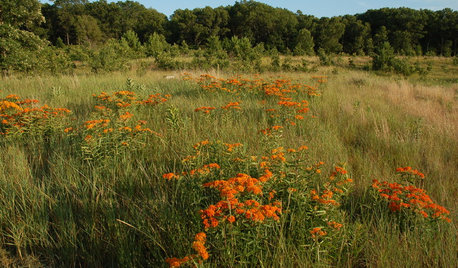
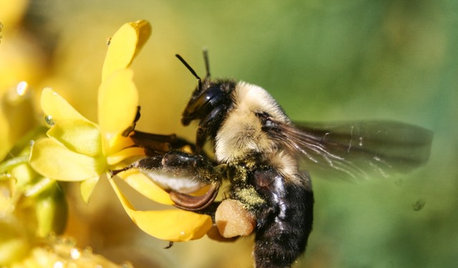
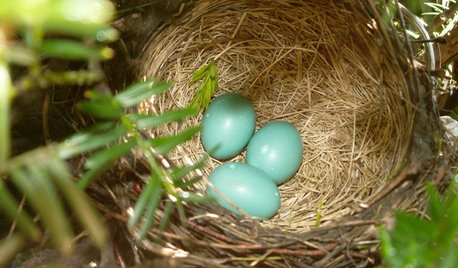
Interesting link: ticks, turkeys, songbirds, pollinators

This article appeared on our local paper's website. It is really an interesting thing to ponder. As time passes I think we are learning that there is no "small" thing in the balance of nature. Nature has done an amazing job of rolling along in the face of massive changes, but the smallest things contribute to a true balance. That means mosquitos are important, which makes me sad, a little. Maybe a lot. Black flies, too. And crows. And roaches (for anybody who lived south of the Mason Dixon).

I should add the "no roaches" thing to the "what's good about New England" thread.

(I suppose the roaches are important because in the face of world-wide destruction they alone would survive to continue life on Earth. Just not sure of their purpose now.)

Comments (5)

  • 8 years ago
    last modified: 8 years ago

    --"I should add the "no roaches" thing to the "what's good about New England" thread."----

    Clearly you never lived in a rundown Boston apartment back in the day. Trust me, cockroaches live here, and they shall inherit the earth as you said, I have no doubt.

    The author of this article should be using the term "reintroduced" rather than "introduced" as wild turkeys are native birds, and once so plentiful that the turkey was a top contender for national bird. Let's just say I'm skeptical of his theory, given his lack of credentials and sketchy facts.

    deanna in ME Barely zone 6a, more like 5b thanked spedigrees z4VT
  • 8 years ago
    last modified: 8 years ago

    I agree with Sped on this that skepticism is warranted on this. Two things that happen at the same time may be caused by the same conditions, rather than one causing the other. Correlation isn't causality. I think it far more likely that manmade environmental changes such as land use, land cover, or climate rather than turkey-caused environmental changes are to blame for the rise in ticks and tick-borne diseases. Here is an alternative perspective. http://www.sportingjournal.com/main166.shtml

    deanna in ME Barely zone 6a, more like 5b thanked NHBabs z4b-5a NH
  • 8 years ago

    Yes, if I had to take a layman's guess, it would be that global warming together with increased travel by an increasing human population brought us deer ticks, Lyme disease, heartworm disease and other unwelcome pests and diseases. I'd also bet that if spiders are disappearing, pesticides are most likely to blame, as they are for many other disappearing species, both directly and indirectly.

    deanna in ME Barely zone 6a, more like 5b thanked spedigrees z4VT
  • 8 years ago

    I know that the original article was a perspective and not fact, and thanks for the second article because it's great to have two perspectives. I still appreciate that people are trying to look outside the box and find how all the facets of nature work together. I would imagine if we had more predators of the hosts mammals around that would be a great thing to get rid of deer ticks, but that' won't happen anytime soon in our populated areas! Many many variables to consider for all issues. I'm just glad we're learning that some of our "simple fixes" in nature aren't that simple, like culling all the wolves from the Rockies, or pesticides to kill bugs on crops. It seems like we're starting to learn that as soon as we figure something out, something else surprises us. But, as you all said, that certainly does mean too many myths and assumptions pop up.

    Sped, that run-down Boston apartment thing cracked me up. Yes, they do live in the north when they find buildings old enough in the city. The stereotype my northern parents had when we moved to the south was that roaches were ONLY an indication that you lived in the city in less-than-ideal conditions. In the south, roaches are an indication that you live in the south, and that's that. The first time my very clean mother saw a roach in our house, she climbed onto a chair and called my father at work, sobbing. He actually drove home from work and they killed the roach together. Fast forward several years to where she could practically smack them with her hand. She was ultra clean (but not to the point that we weren't comfortable living in our own home) and has a bug man every month without fail come, but they're a permanent resident of every southern home.

  • 8 years ago
    last modified: 8 years ago

    That's so funny about your poor mom on the chair hiding from the cockroach. Lucky that she didn't discover their neat little trick of climbing onto the ceiling and then dropping off! She might have never recovered.

    I imagine that winter keeps cockroach populations in the north limited to cities where they can live indoors. Our apartment was only rundown because it was owned by a slumlord too cheap to spray his apartments on a monthly basis. It was in a nice neighborhood. We were stuck living there for a number of months because it was the only available apartment at the time, and as soon as other apartments' leases were up in the fall, we were outa there! Every cockroach-free city apartment on Beacon Hill or Back Bay was only that way because of monthly spraying. Like a seawall, pesticide companies kept the ocean of roaches at bay, but roaches own the city... all northern cities for that matter. They are in every basement and subway tunnel. Now those apartments are million dollar condos, but monthly pest control is still a thing.

    deanna in ME Barely zone 6a, more like 5b thanked spedigrees z4VT