Software
Houzz Logo Print
janv79

Cistern Problems

8 years ago

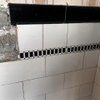
We live in a house built in the 1930s. Along the back foundation is a cement cap, which when walked on, sounds hallow underneath. In the basement, aligning with the cap, there is a hole in the block wall, which is blocked off with a screwed on door of drywall, we assume this access to the old cistern, but have been too chicken to open it :). Our neighbor did fill in a cistern several years ago, which was similar in size to ours, however he doesn't have a basement so did not have to deal with filling in the missing block.


There hasn't been any leakage in the basement, but the cap in the back is starting to degrade. We would prefer to fill in the cistern and repair the basement wall so we can then build a deck or brick patio over the site. I am having trouble finding any information on how best to fill in a cistern when it abuts a foundation, and haven't had any luck finding someone to do the work (I have been asking basement repair companies, and have been told if it isn't leaking, don't touch it), but might be asking the wrong type professionals.


Any thoughts on how to proceed or what type of companies would tackle this? We are in Milwaukee, WI, if that makes a difference.


Thanks!

Comments (14)

  • 8 years ago

    Were their Cess Pools in your area back in the day?

  • 8 years ago

    Not that I know of. House was built on the edge of MKE when it was still rural, but not "country". Pretty sure it was a rainwater cistern since it is located against laundry/kitchen wall. Bathroom is on the opposite side of the house.

  • 8 years ago

    My childhood home had an abandoned Cess Pool in 1940s NYC. Bathroom location does seem to suggest Cistern.

    Do make sure that you obtain appropriate Permits or other approval from City or County. Almost assuredly there are restrictions on materials and methods for filling it in, and certainly the foundation next to it warrants additional consideration.

  • 8 years ago

    Open the drywall up and see what's in there.

    Especially look for incoming water connections.

    Filling it in would involve making some big holes in the bottom to allow drainage and then dumping in fill dirt for structural stability.

    Try calling a pool company - they often fill in in-ground pools.

  • 8 years ago

    I had two cisterns at my 1938 house. One was abandoned, had been used for kitchen gray water in the past. The other, on the other side of the house, is still in use for the basement utility sink gray water. Make sure yours are not used for something before you fill them in.

  • 8 years ago

    Basement cisterns are usually designed to fill from downspout runoff, or from an outside fill port. In the past, many folks used them for storing water for the lawn, or sometimes even to plumb a washing machine or washtub in the basement. The kitchen or other room above may have had a well pump that ran down into the cistern (maybe that is where you found the cement cap).

    The small door to the cistern would be used for access when it needed to be cleaned or inspected. I would recommend opening/removing the door and having someone inspect the inside of the cistern. If the water from the downspouts is no longer filling it, the inside may be relatively dry, or just damp from groundwater coming up through the floor. It could be filled in, or maybe even left intact and used for storage if there are no moisture issues.

    Bruce

  • 8 years ago

    There are no connections to the cistern anymore. In Milwaukee all downspouts had to be rerouted about 10 years ago into yards, not into cisterns or sewers. It was a requirement that included inspections of every house, so pretty sure nothing is running into it anymore. I also don't think it is a well pump (but I guess it might be). There are no pipes to or from it that we can see anymore. Our neighbor did also have a well that was filled in, quite a way away from the house.


    We do not want to use the space as storage, we need it gone. I grew up in an old farm house that had a huge, dry cistern which we used as a root cellar (and play area) so know what can be done. We want it filled in so we can put a patio or deck on the back of the house and not have to worry about it underneath.


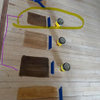
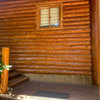
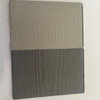
    I have attached photos of the cap which is degrading and the basement access door. I couldn't get an outside photo before yesterday since it was covered with snow! Sorry, can't figure out how to rotate them upright.


  • 8 years ago

    When I mentioned a well pump I was suggesting there may have been a pump that could be used to pull water out of the cistern so it could be used in the yard. I have even seen one farmhouse that had a pump in the kitchen that connected to a cistern below.

    That filled-in access door is bigger than I expected, and it seems to go right down to ground level. Maybe it was a root cellar or coal bin, not a cistern. I think you will just have to open it up and find out :).

    Bruce

  • 8 years ago

    The suspense is killing me! Wonder what it turned out to be?

  • 8 years ago

    Another vote to open it up and see what's in there! Some people esp those who have one that connects with the basement have reclaimed theirs and use as a wine cellar or something cool like that. If its not collapsing or allowing in water, then why not?

    I had no such luck. I was really excited to open up the concrete lid on mine but found it was full of hideous horrible trash - not the nice useful kind of trash either that you you could make garden art out of, but old paint cans and rusted out pieces of who knows what. Just like my loser PO's to leave me a bunch of useless crap!

    Be careful though about going down in because if its very deep there can be toxic gases that have settled there - when I googled cisterns there were dire warnings and stories about people who died that way. You want to have someone up above who can watch and call 911 if need be.

  • 8 years ago

    Oh rats I just saw your other post that you want it gone - what I was told is that you need to get a jack hammer and break up the bottom - for drainage, so water doesnt pool in there and cause problems- and then collapse the walls down using a bobcat (or so one guy suggested) then flll the hole with dirt.

  • 8 years ago

    Make sure you get a Permit. Requirements vary by jurisdiction and you'll want to obtain the required inspections during the process.

  • 5 years ago

    Janv79 - I'd like to know how you decided to deal with this. We're selling my mom's house, built in 1952, and there is a cistern just like yours - located outside the basement. Only I have no access from indoors - only a manhole cover up above. The house is located in New Berlin.

  • 5 years ago

    ***I know this thread is old - I hope you see this. BW - to clarify - the cistern is under the cement patio in back, but NOT part of the basement.