

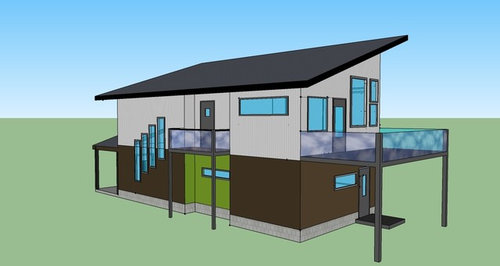
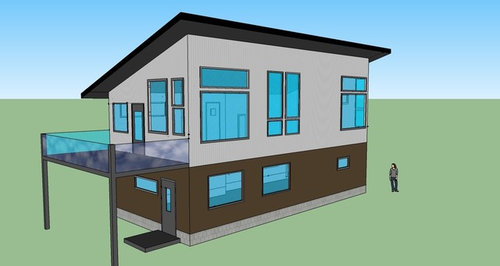
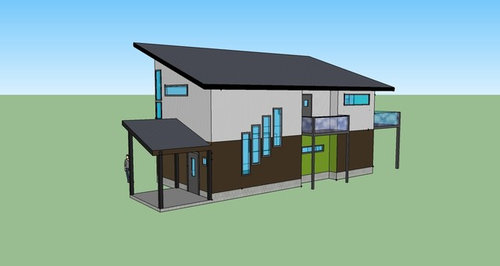
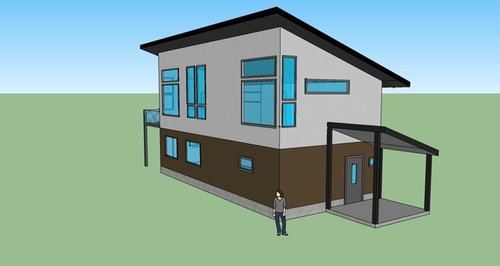
Siding? Wet climate?
13 years ago
Featured Answer
Sort by:Oldest
Comments (7)
 13 years ago
- 13 years agolast modified: 13 years ago
Related Professionals
Austin Interior Designers & Decorators · Syracuse Interior Designers & Decorators · Altoona Interior Designers & Decorators · Janesville Interior Designers & Decorators · Bronx Interior Designers & Decorators · Huntsville Architects & Building Designers · Indianapolis Architects & Building Designers · Vineland Architects & Building Designers · Muskegon Architects & Building Designers · Riverside Architects & Building Designers · Washington Kitchen & Bathroom Designers · Poplar Bluff Kitchen & Bathroom Designers · Ardmore Kitchen & Bathroom Designers · Lancaster Kitchen & Bathroom Designers · Grand Junction Kitchen & Bathroom Designers- 13 years ago
 PRO13 years ago
- 13 years ago
 PRO13 years ago
Related Stories
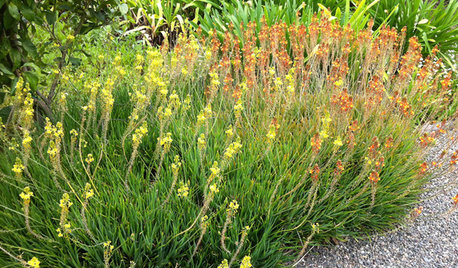
GARDENING GUIDES6 Dependable Ground Covers for Warm Climates
Swap some lawn for these drought-tolerant clumping plants — and watch your maintenance efforts diminish while they easily grow
Full Story
ARCHITECTURE15 Smart Design Choices for Cold Climates
Keep your home safe and comfortable in winter by choosing the right home features and systems
Full Story
LANDSCAPE DESIGNCelebrate a Sunny Climate With the Right Leafy Palm for Your Site
So you get freezes or floods. So your garden is small. These palms send excuses riding off into the tropical sunset
Full Story
PATIOSPatio Details: A Modern Pergola Stands Up to Nebraska’s Climate
Challenging weather is no match for this family's tough but elegant-looking outdoor space
Full Story
GARDENING GUIDESGreat Garden Combo: 3 Soft-Looking Plants for a Dry Climate
Weave a romantic tapestry with this drought-tolerant combination of plants as tough as they are lovely
Full Story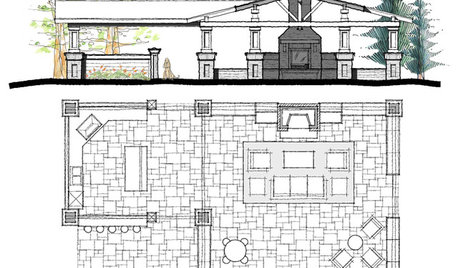
LANDSCAPE DESIGNClimate Control: Work With Nature's Elements for the Best Outdoor Space
Consider sun, wind and water where you live for a deck or patio that's as comfortable as possible all year long
Full Story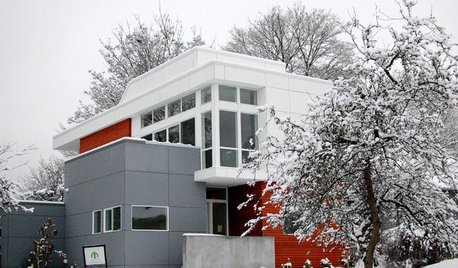
REMODELING GUIDESSeal the Deal With Fiber Cement Siding
Chameleon-like, durable and low maintenance, fiber cement gives home exteriors of all shapes and styles a winning edge
Full Story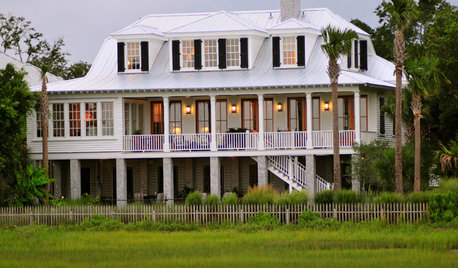
TRADITIONAL ARCHITECTURETidewater Homes
With wide porches out front and a wet, hot climate in mind, tidewater homes are a staple in the coastal U.S. Southeast
Full Story
GARDENING GUIDESGreat Garden Combo: 6 Beautiful Plants for a Shady, Wet Site
Transform a shade garden with moisture-loving golden grasses, textural leaves and a sprinkling of flowers
Full Story
SIDE YARD IDEASNarrow Trees for Tight Garden Spaces
Boost interest in a side yard or another space-challenged area with the fragrance and color of these columnar trees
Full Story
Sponsored


ReSquare Architecture + Construction