

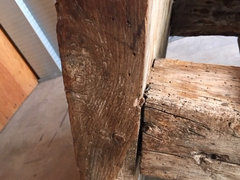
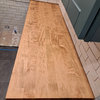
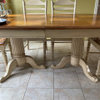
Workbench restoration - Shellac or Danish Oil
8 years ago
last modified: 8 years ago
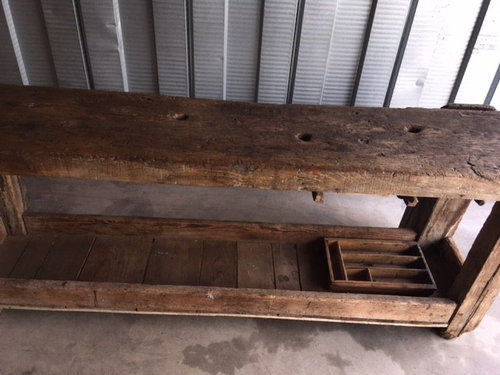
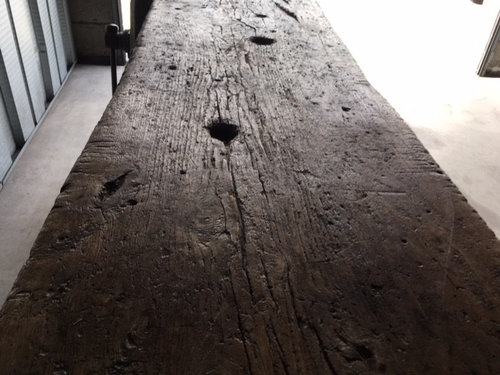
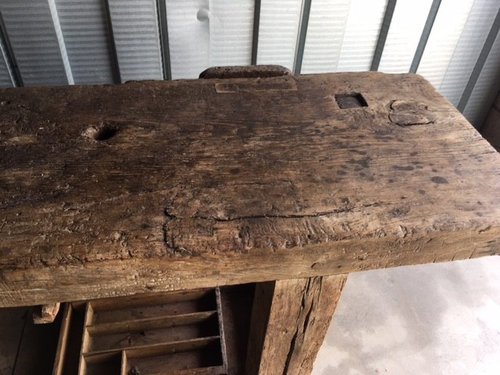
Featured Answer
Sort by:Oldest
Comments (11)
 8 years agolast modified: 8 years ago
Related Professionals
Sebring Carpenters · Middletown Carpenters · Lubbock Carpenters · Kissimmee Flooring Contractors · San Marcos Flooring Contractors · Victoria Flooring Contractors · Jamestown Flooring Contractors · Kalispell Flooring Contractors · Florence Furniture & Accessories · Oxnard Interior Designers & Decorators · Liberal Interior Designers & Decorators · Ottawa Interior Designers & Decorators · Ashland Carpenters · Bennington Carpenters · Amherstburg Carpenters- 8 years ago
- 8 years ago
- 8 years ago
 8 years ago
- 8 years ago
- 8 years ago
- 8 years ago
- 8 years ago
- 8 years ago
Related Stories
DECORATING GUIDES10 Popular Home Design Trends — Timely or Timeless?
Weigh in on whether these of-the-moment decorating elements will have staying power or become a memory of these times
Full Story
KITCHEN CABINETSKitchen Cabinet Color: Should You Paint or Stain?
Learn about durability, looks, cost and more for wooden cabinet finishes to make the right choice for your kitchen
Full Story
FURNITUREHouzz Call: Show Us Your Furniture Makeover Project
Have you reupholstered a tattered chair, transformed a dresser or revitalized bookshelves? Share your handiwork!
Full Story
KITCHEN CABINETSPainted vs. Stained Kitchen Cabinets
Wondering whether to go for natural wood or a painted finish for your cabinets? These pros and cons can help
Full Story
MOST POPULARYou Can Turn That Into a Bathroom Vanity?
Find inspiration in 13 unconventional bathroom vanities that are as functional as the real deal
Full Story
KITCHEN COUNTERTOPSHow to Care for Wood Kitchen Countertops
Install your wood work surfaces correctly and keep them in top condition with these expert tips
Full Story
MIDCENTURY HOMESHouzz Tour: An Eichler Remodel Spawns a Design Career
A homeowner finds her true calling upon redesigning her family's entire California home
Full Story
MOTHER’S DAYShow Us Your Mom’s Influence on Your Home
Maybe it’s a great chess set or a style philosophy. With Mother’s Day nearing, where do you see your mom in your space?
Full Story
DINING ROOMSSmart Shopper: How to Choose a Dining Chair
Before you go for that gorgeous velvet nap or slender sculptural seat, check out our guide to successful chair buying
Full Story
KITCHEN DESIGNThe Best of My Houzz: 20 Creative Kitchen Islands
Nixing ready made for readily imaginative, these homeowners fashioned kitchen islands after their own hearts
Full Story


lindac92