

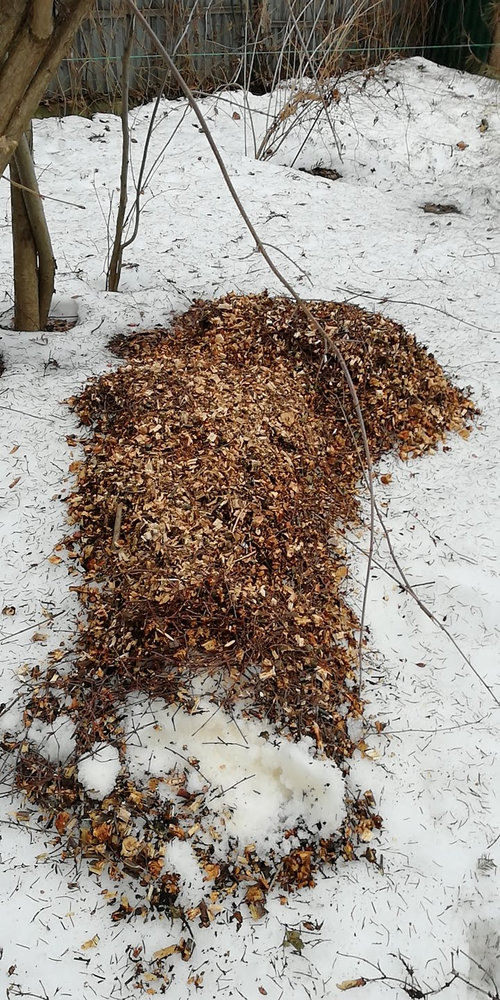
Mulch sure can insulate!
8 years ago
Featured Answer
Sort by:Oldest
Comments (10)
 8 years ago
- 8 years agolast modified: 8 years ago
Related Professionals
Fort Myers Landscape Architects & Landscape Designers · Macon Landscape Architects & Landscape Designers · Saint Joseph Landscape Architects & Landscape Designers · Muskogee Landscape Architects & Landscape Designers · Tucson Landscape Architects & Landscape Designers · Temecula Landscape Architects & Landscape Designers · Pocatello Landscape Architects & Landscape Designers · Little Rock Landscape Contractors · Columbia Landscape Contractors · North Adams Landscape Contractors · Kearney Landscape Contractors · DeRidder Stone, Pavers & Concrete · Bloomington Stone, Pavers & Concrete · Bangor Stone, Pavers & Concrete · Oxnard Stone, Pavers & Concrete- 8 years ago
- 8 years ago
- 8 years ago
- 8 years ago
 8 years ago
- 8 years ago
- 8 years agolast modified: 8 years ago
Related Stories

GREEN BUILDINGInsulation Basics: Heat, R-Value and the Building Envelope
Learn how heat moves through a home and the materials that can stop it, to make sure your insulation is as effective as you think
Full Story
GARDENING GUIDESGoing on Vacation? How to Ensure Your Garden Survives
Water deeply, mulch beds and move containers into partial shade to keep plants alive while you’re away
Full Story
GARDENING GUIDESThe Art of Green Mulch
You can design a natural garden that doesn’t rely on covering your soil with wood and bark mulch
Full Story
GARDENING GUIDESLowly Mulch Makes Magic in the Garden
Find out why you should be mulching your garden beds and what material is right for your site
Full Story
GREEN BUILDINGInsulation Basics: Designing for Temperature Extremes in Any Season
Stay comfy during unpredictable weather — and prevent unexpected bills — by efficiently insulating and shading your home
Full Story
REMODELING GUIDESCool Your House (and Costs) With the Right Insulation
Insulation offers one of the best paybacks on your investment in your house. Here are some types to discuss with your contractor
Full Story
WINDOW TREATMENTSEasy Green: 9 Low-Cost Ways to Insulate Windows and Doors
Block drafts to boost both warmth and energy savings with these inexpensive but effective insulating strategies
Full Story
GARDENING GUIDESNew Ways to Think About All That Mulch in the Garden
Before you go making a mountain out of a mulch hill, learn the facts about what your plants and soil really want
Full Story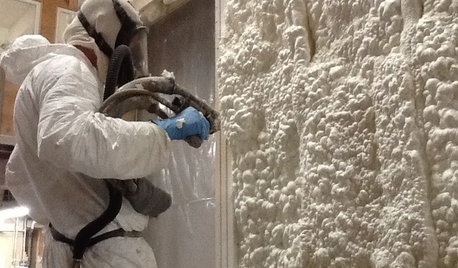
MATERIALSInsulation Basics: What to Know About Spray Foam
Learn what exactly spray foam is, the pros and cons of using it and why you shouldn’t mess around with installation
Full Story
KITCHEN DESIGNTrend Alert: Swinging Doors Can't Miss for Convenience
Create accessibility and elegance in one fell swoop with a swinging door modernized for today's homes
Full Story
nicholsworth Z6 Indianapolis