

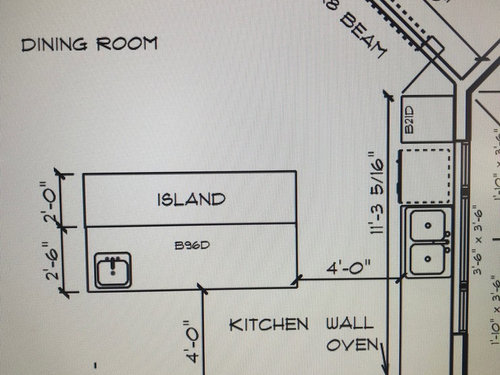
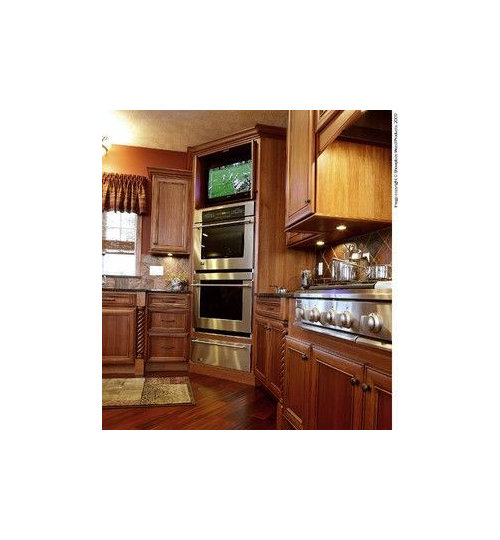
meet with cabinetmaker tomorrow - help!
8 years ago
last modified: 8 years ago
Sort by:Oldest
Comments (3)
Related Stories
KITCHEN DESIGNKitchen of the Week: Clever Redesign for a Cabinetmaker
An architectural firm helps a favorite cabinet pro create an inviting kitchen in his family’s historic D.C. row house
Full Story
WORKING WITH PROS8 Ways to Keep Your Home Project Going While Helping Local Pros
Helping design and building businesses during this crisis offers advantages for homeowners
Full Story
KITCHEN DESIGNKitchen of the Week: Modern and Rustic Meet in the Woods of Quebec
Tall windows open this handcrafted wood-and-white loft kitchen to the beautiful outdoors
Full Story
DECLUTTERINGDownsizing Help: How to Edit Your Belongings
Learn what to take and what to toss if you're moving to a smaller home
Full Story
WORKING WITH PROSWhat to Know About Working With a Custom Cabinetmaker
Learn the benefits of going custom, along with possible projects, cabinetmakers’ pricing structures and more
Full Story
DISASTER PREP & RECOVERYHurricane Harvey: How You Can Help
Want to donate or volunteer to aid victims of the storm? Here are groups assisting with disaster relief and recovery
Full Story
COFFEE WITH AN ARCHITECT10 Tips to Help You Put Off Procrastinating
Blank page staring at you? Look it in the eye, then vanquish it in 10 only slightly meandering steps
Full Story
SELLING YOUR HOUSEHelp for Selling Your Home Faster — and Maybe for More
Prep your home properly before you put it on the market. Learn what tasks are worth the money and the best pros for the jobs
Full Story
HOUZZ TOURSHouzz Tour: Country Meets Contemporary in a Michigan Getaway
Soothing neutrals, casual furnishings and nearby Lake Michigan offer a Chicago couple and their guests a respite from city chaos
Full Story
HOUZZ TOURSMy Houzz: Raw Meets Refined in an Open Brooklyn Loft
Exposed brick and rustic elements mix thoughtfully with global art and textiles in a former warehouse
Full Story

felizlady
felizlady
Related Professionals
Georgetown Kitchen & Bathroom Designers · Virginia Beach Kitchen & Bathroom Designers · Aberdeen Kitchen & Bathroom Designers · Mansfield Kitchen Remodelers · Concord Kitchen Remodelers · Ardmore Custom Countertops · Ithaca Custom Countertops · Florence Interior Designers & Decorators · Sedalia Interior Designers & Decorators · Jackson Interior Designers & Decorators · Zanesville Interior Designers & Decorators · Binghamton Interior Designers & Decorators · Meridian Architects & Building Designers · New Bedford Architects & Building Designers · Kennewick Kitchen & Bathroom DesignersJoseph Corlett, LLC