

diy air pruning / self wicking pots
8 years ago
last modified: 8 years ago
Featured Answer
Sort by:Oldest
Comments (6)
 8 years ago
Related Professionals
Chillicothe Landscape Architects & Landscape Designers · Marietta Landscape Contractors · Manchester Landscape Contractors · Victoria Landscape Contractors · Wilmington Accessory Dwelling Units · Saint George Accessory Dwelling Units · Birmingham Landscape Architects & Landscape Designers · Tuscaloosa Landscape Architects & Landscape Designers · Elizabethtown Landscape Architects & Landscape Designers · Albany Landscape Architects & Landscape Designers · Jacksonville Landscape Contractors · Crestview Home Builders · Hannibal Home Builders · Lewiston Home Builders · Anchorage Home Builders- 8 years ago
 PRO8 years ago
 8 years ago
- 8 years ago

Related Stories
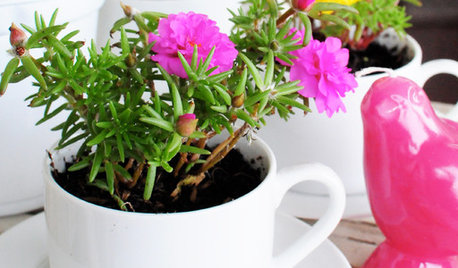
CONTAINER GARDENSDIY Project: Teacup Planter Pots
Add a riot of color to a windowsill, table or balcony by repurposing old cups and saucers as little planter pots
Full Story
HOUSEPLANTSBring Nature Indoors With 12 Botanically Inspired DIY Projects
Freshen up your home with potted bulbs, mounted staghorn ferns and fragrant spring blooms
Full Story
DIY PROJECTSA Colorful DIY Water Garden for Your Patio
See how to turn a standard stock tank into a customized container garden for floating and potted aquatic plants
Full Story
DIY PROJECTSDIY: Freshen Up for the New Year With a Eucalyptus Table Garland
Eucalyptus leaves, white blossoms and air plants combine in a gorgeous, long-lasting arrangement for your table or buffet
Full Story
KITCHEN DESIGNShow Us Your Fabulous DIY Kitchen
Did you do a great job when you did it yourself? We want to see and hear about it
Full Story
DIY PROJECTSLace Goes Modern in an Upholsterer's DIY Pendant Lights
Bring romance to a room with delicate pendant lights you can make yourself
Full Story
DECORATING GUIDES8 Reasons to Jump Off the DIY Bandwagon
You heard right. Stop beating yourself up for not making stuff yourself, and start seeing the bright side of buying from others
Full Story
WINTER GARDENINGPruning Secrets for Exquisite Roses
Encourage gorgeous blooms year after year with this time-tested advice on how to prune your rosebush in winter for health and shape
Full Story
BEFORE AND AFTERSHouzz TV: See Recycled Walls and Cool Cassette Art in a Woodsy DIY Home
Walnut countertops join hardwood floors and pieces made from leftover framing in a bright Spanish colonial
Full Story
CONTAINER GARDENSHappy Houseplants, Happy People
Potted plants add life and beauty to a room. Learn easy ways to keep them healthy
Full Story



Seun