Software
Houzz Logo Print
gswayman

What is killing my hosta?

8 years ago

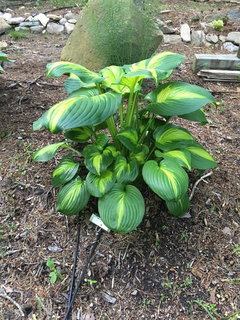
I had two hostas with this problem this year. When they came up, a couple of eyes were normal size surrounded by stunted eye growth. Dug them up and found roots to be deteriorated, and the crown looks brown and eaten, not really rotten, -not soft or smelly. I saved the "normal eyes", have them in a bucket of water with some Sevin in it and sprinkled sevin over the area where they were planted. What is happened and what is the best solution. Thank you.

Comments (21)

  • 8 years ago

    Thanks for commenting Ken. I don't think it's voles since I've never seen any real sign of vole damage. I have about 350 hostas all healthy and flourishing. I tried the sevin because upon tearing apart what was left of the clump, I saw a couple of armadillo bugs. I don't think they were the cause of damage but thought I'd try to rule out insect damage. I'll research crown rot. I'd post a pic but new computer poses a challenge I don't have time to deal with right now.

  • 8 years ago

    I'm in No. Illinois and upon further investigation, it's not crown rot. Plant looks completely healthy. Some of the eyes never fill out after emerging, leaving a clump with a few slightly smaller than normal size leaves and the rest only a couple of inches tall that never grow. Something is eating roots, just don't know what??? Again, I don't think it is voles as it is just these two random plants in separate areas and no lawn damage. Other than the armadillo bugs, I have never seen any other insects in the roots I dig up. STUMPED.

  • 8 years ago

    I had similar damage this spring, I didn't see any vole runs but I wonder about desperate rabbits nibbling on the crowns. Squirrels digging is another thing I considered. I really don't have any other ideas.

  • 8 years ago

    I think I found the problem.... Upon very close examination in bright sunlight, I noticed soil samples from both site had very tiny worms of some sort, 1/4" max. I have not identified them yet but I'm feeling very certain they are the source of the problem. I'll work on the id. Kind of similar thing to iris bore.

  • 8 years ago

    Other than (microscopic) root knot nematodes, there are no worms/borers known to affect healthy hostas. Such worms will only attack rotting tissue, but that is a result of the problem, not a cause.

  • 8 years ago

    Thanks for your help DT. I did look up crown rot and my hostas don't look anything like that. One I had had in the garden unmoved for 10 years or better. They just start getting smaller and smaller. over two years or so. They look healthy, just stunted.

  • 8 years ago
    do the roots have sufficient room and nutrients to grow? Hostas need to be dug up and split at some point in their life
  • 8 years ago

    Could it be chipmunks? Here, they chew base of lots of plants.

  • 8 years ago

    Thanks Pandora. We do have chipmunks but not where these hostas were...no tunneling, I wish I could do pics. The roots are just shredded looking. No above ground damage. (I know how I should be able to do pics.....not stupid....new computer system for me with One Cloud that has caused great anxiety.)

  • 8 years ago

    Lyndee Lee, thanks. My yard is like a botanical garden, well spaced, well placed, well mulched, weed free with beautiful soil. I'm sure this is something I'm not directly causing. I'm a very experienced perennial gardener of over 30 years. I would just like to get to the bottom of this so I can prevent it from happening again. I'm just fanatical about my plants!

  • 8 years ago

    This is typical of vole damage. They may be moving into your garden. Look closely under the much for small 1” diameter holes. I poke my fingers vertically into the soil around damaged plants to find the vole tunnels, they are not raised like mole runs. The lighter the soil the easier it is for them to tunnel.

    What has happened here is the voles nibbled on the crown. The damaged crown puts up immature leaves. I am having some success (I hope) with castor oil spray in the winter then Castor oil beads applied every two or three months. I use Mole Go brand. We’ve also seen some grey foxes and a lot of black snakes this year.

  • 8 years ago

    Thank you zkathy! Your pic looks exactly like what is happening to my hostas. I just don't see any signs of tunneling, including the lawn. I will apply some mole repellant and research them. Thank you.

  • 8 years ago
    last modified: 8 years ago

    Thanks for the picture. I have been trying to decide if my hosta damage is chipmunk or vole, but I have none like your picture. I do have bigger and smaller holes, but I've never seen any runs in
    flower beds or yard, like shown on the web for voles. I've caught the
    chipmunks tunneling right at the base of shrubs. I used castor oil a
    couple years ago, but only had a small quantity. I've been using Mole
    Max regularly this year and soil sonic repellers.. (I know these are with a "v", but it contains castor oil).

    Of course then I have to cope with this. :)

  • 8 years ago
    last modified: 8 years ago

    I was in a hurry this morning. The grey foxes and black snakes eat voles. I figure when I started taming this hill and watering hostas the voles had more food and their numbers increased. Now the predators are finding tasty voles to eat. Thank God for the balance of nature!

    The little fawn looks tasty. My mom and dad raised a pig when they retired to the country. My mom would go scratch it in its pen with a broom, saying “Bacon, ham, pork chops.”

  • 8 years ago

    I had a doe drop a fawn right next to our deck. ......Oh, cute, but not good for the gardens! Some liquid fence and they were gone. -So, where can I get some grey foxes? We had a cat coming around for awhile but haven't seen her lately. I don't do snakes.....no, no, no. Had a 6 ft. fox snake under my birdbath last year. Didn't see it until I dumped the birdbath water on it. I almost had a heart attack and was very leery about going in the yard for awhile! Do the sonic devices work? Where can I get castor oil....drug store? What is the best way to apply it? -Haven't had a chance to read up on voles yet. I have an acre and a half to cover. -Thanks so much for your advice and pics.

  • 8 years ago
    last modified: 8 years ago

    Mama came back that night and picked up the courageous explorer. I saw a mama with baby closely in tow a few days later at edge of our woods, out of easy view.

    zkathy, Awww, how coulld you say, it looks tasty?

    Owner of New Hampshire Hosta really believes in castor oil. Great place to order too. https://youtu.be/VD0yzANcN_w

    You can buy on Amazon and garden centers. I've read castor oil at drugstores is descented, not good as a repellant.

    SUSAN namway thanked pandora
  • 8 years ago

    "Hostas need to be dug up and split at some point in their life." Why?

  • 8 years ago
    New hosta plants grow up around the parent plant and fast growing plants quickly filll the available space with the roots of newer plants. After many years, clumps will die out in the middle as there isnt room or nutrients for the plants to grow.
  • 8 years ago

    NO, most hostas do not need to be dug up and split at some point in their life. Something else will kill them. Like one of those spotted 4-legged creatures.

    -Babka

  • 8 years ago

    I agree that Some hostas will need to be dug up and split at some point in their life, but certainly not most (agree with Babka) or all. I have seen a 35-year old Elegans growing perfectly in its original spot. I had to move leaves around to try and look at the crown because I couldn't believe it! I have a few that have the "fairy ring" from old age and benefited from some propagating. But in my garden that is the exception, not the norm and it depends on the type of hosta.

    It is interesting how many authors of hosta books recommend splitting hostas... and that practice is not restricted to keeping specific hostas true to type or due to sporting. While I agree that a lot of hostas would benefit from division, it is not altogether necessary to do so. I guess it comes down to individual preference. I found that the odd hosta in my garden just wasnt happy where it was growing after about two years - after investigating the area, bugs were usually the culprit... either setting up residence (as in ants) or some other culprits.