

Managing environmental hazards during construction
8 years ago
Featured Answer
Sort by:Oldest
Comments (8)
 8 years ago
 8 years ago
Related Professionals
Wichita Falls Interior Designers & Decorators · Cape Coral Bathroom Remodelers · Atlanta Bathroom Remodelers · Florence Bathroom Remodelers · San Antonio Bathroom Remodelers · Watertown Bathroom Remodelers · Muskegon Kitchen & Bathroom Designers · Madison Kitchen & Bathroom Designers · Beaumont Home Remodeling · Juneau Home Remodeling · Charleston Kitchen Remodelers · Cornwall Kitchen Remodelers · Lagrange Bathroom Remodelers · Moline Flooring Contractors · Bemidji Flooring Contractors- 8 years ago
- 8 years agolast modified: 8 years ago
 8 years ago
- 8 years ago
- 8 years ago

Related Stories
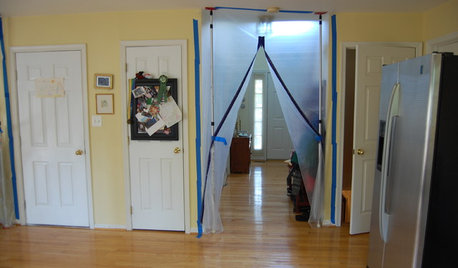
HEALTHY HOMEWhat to Know About Controlling Dust During Remodeling
You can't eliminate dust during construction, but there are ways to contain and remove as much of it as possible
Full Story
REMODELING GUIDESWhat to Consider Before Starting Construction
Reduce building hassles by learning how to vet general contractors and compare bids
Full Story
BUDGETING YOUR PROJECTDesign Workshop: Is a Phased Construction Project Right for You?
Breaking up your remodel or custom home project has benefits and disadvantages. See if it’s right for you
Full Story
LANDSCAPE DESIGNTo Manage Stormwater Sustainably, Understand Your Site
Follow this guide to learn how water moves through your landscape and how best to manage it
Full Story
SAVING WATERStormwater Planters Manage Runoff in Small Gardens
Think of stormwater planters as container rain gardens
Full Story
LANDSCAPE DESIGNEasy Ways to Manage Stormwater for Lower Bills and a Healthier Earth
Send cleaner runoff into local waterways and spend less on yard irrigation with these simple landscaping approaches
Full Story
FOURTH OF JULYHow to Keep Your Pet Calm in Fireworks Season
Get tips for helping dogs, cats and other animals feel safer and less stressed around the Fourth of July holiday
Full Story
KNOW YOUR HOUSEStair Design and Construction for a Safe Climb
Learn how math and craft come together for stairs that do their job beautifully
Full Story
GREEN BUILDINGBuilding Green: How to Design a Healthier Landscape
Plant selection, water management, fire-prevention measures and more can ensure that your landscape is good for the planet and for you
Full Story
TRADITIONAL ARCHITECTURERoots of Style: Pueblo Revival Architecture Welcomes Modern Life
Centuries-old details of adobe construction still appeal in the desert Southwest, adapted to today's tastes
Full StorySponsored

Central Ohio's Trusted Home Remodeler Specializing in Kitchens & Baths



User