

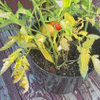
Tomato leaves are soft, but curled
8 years ago
last modified: 8 years ago


Featured Answer
Sort by:Oldest
Comments (12)
 8 years ago
- 8 years agolast modified: 8 years ago
Related Professionals
St. Louis Landscape Architects & Landscape Designers · Longview Landscape Architects & Landscape Designers · Fort Dodge Landscape Architects & Landscape Designers · Worcester Landscape Architects & Landscape Designers · Des Moines Landscape Contractors · Niles Landscape Contractors · Oneonta Landscape Contractors · Kenosha Landscape Contractors · Sebring General Contractors · Cumberland General Contractors · Zanesville General Contractors · Texarkana General Contractors · Beckley General Contractors · Aurora General Contractors · Middletown General Contractors- 8 years ago
 8 years ago
- 8 years ago
 8 years ago
- 8 years ago
 8 years ago
- 8 years ago
- 8 years agolast modified: 8 years ago
- 8 years ago

Related Stories

EDIBLE GARDENSSummer Crops: How to Grow Tomatoes
Plant tomato seedlings in spring for one of the best tastes of summer, fresh from your backyard
Full Story
GARDENING 101How to Grow Tomatoes in Pots
Don’t have much space for a garden? All you need is a sunny spot and a large container to grow this favorite summer crop
Full Story
FALL GARDENING5 Ways to Put Fall Leaves to Work in Your Garden
Improve your soil and yard the organic way with a valuable garden booster that grows on trees
Full Story
FEEL-GOOD HOMECurl Up With Some Dreamworthy Nap Spots
Blissful and serene, these envy-inducing settings will put you to sleep, but for all the right reasons
Full Story
SUMMER FRUITS AND VEGETABLESCherry Tomato Plant Does Double Duty as a Design Element
Besides being tasty, cherry tomatoes bring a burst of bright color to the landscape
Full Story
DECLUTTERINGDownsizing Help: Choosing What Furniture to Leave Behind
What to take, what to buy, how to make your favorite furniture fit ... get some answers from a homeowner who scaled way down
Full Story
ACCESSORIESModern Chairs Get Soft With Sheepskin
Yes, you can get cozy in modern chairs — just drape a sheepskin throw and let the snuggling begin
Full Story
DECORATING GUIDES10 Perfect Pairings of Reading Chair and Lamp
Up your reading style and comfort with these chair and lamp combos too cozy to leave
Full Story
GARDENING GUIDESGreat Design Plant: Walker's Low Catmint
Prolific purple blooms, fragrant leaves, and cold-hardiness makes this a go-to plant for almost any garden
Full Story
FURNITURE10 Reasons to Love Big, Comfy Sectionals
With their soft lines, visual heft and casual versatility, modular sofas are a great choice for many rooms
Full Story
Sponsored

digdirt2