Software
Houzz Logo Print
mark_mcintosh5601

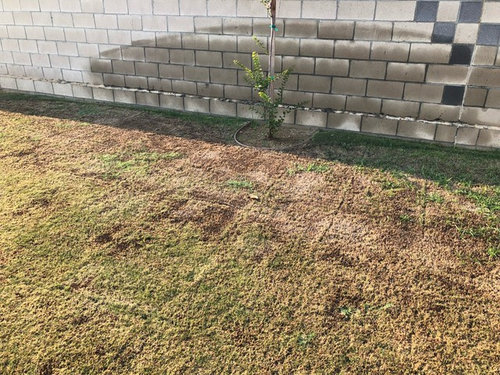
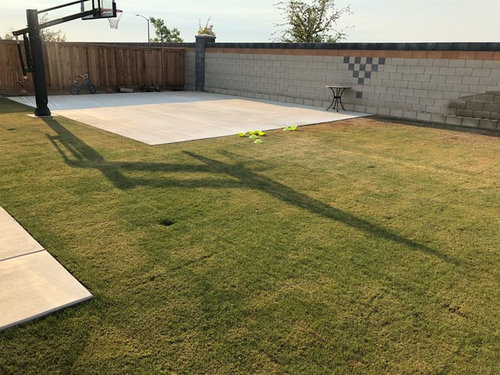
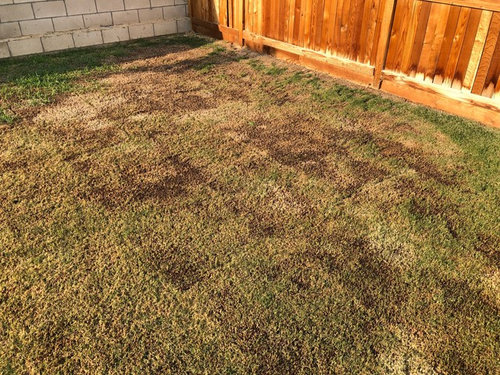
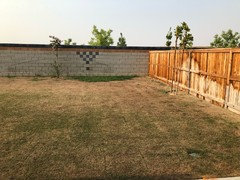
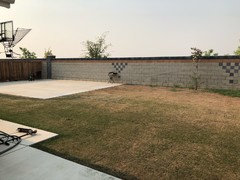
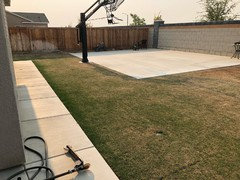
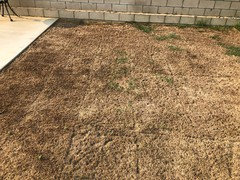
what is wrong with my lawn??

8 years ago
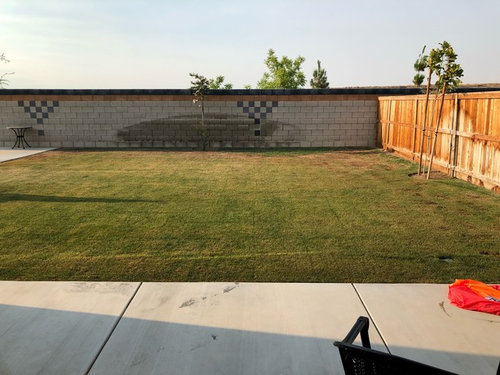
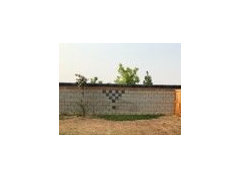
I’m in 93263 zip code. Supposedly my lawn is Celebration Bermuda sod. This is my first time having a Bermuda lawn, I typically have tall fescue, but I am no longer in Southern California, so I have to adapt. My gardener keeps saying that it will green up once it gets really hot but by the looks of things, I don’t see that happening. He also says that there are some cool season grasses mixed in as well.

Should I just have him stop cutting the grass so low and let it grow and green up a little bit?

Comments (18)

  • 8 years ago

    Looks like it is cut way too short.

    My gardener keeps saying that it will green up once it gets really hot

    And good grief, it's 102F in your area, that's hot enough.

  • 8 years ago

    wow don't cut it for awhile and are you irrigating it? Looks so stressed!

  • 8 years ago
    Twice in 10 days?? Yes, I water every morning! I’ll stop watering immediately and see what happens. It’s over due on the fertilizer treatment. I thought maybe that was he problem as well, so I skipped the last treatment. I try to follow the scotts treatment plan.
  • 8 years ago

    Here's my standard blurb on watering.

    Watering: Deep and infrequent is the mantra for watering. This is for all turf grass all over the place. Deep means 1 inch all at one time. Put some cat food or tuna cans around the yard, and time how long it takes your sprinkler(s) to fill all the cans. Memorize that time. That will be the time you water from now on. My hose, sprinkler and water pressure takes 8 full hours to fill the cans. Your time will likely be less. I like gentle watering. As for watering frequency, that depends on the daytime air temperature. With temps in the 90s, deep water once per week. With temps in the 80s, deep water once every 2 weeks. With temps in the 70s, deep water once every 3 weeks. With temps below 70, deep water once a month. Note that you have to keep up with quickly changing temps in the spring and fall. This deep and infrequent schedule works in Phoenix and in Vermont, so it should work for you. The reason for deep and infrequent is to grow deeper, more drought resistant roots and to allow the soil to dry completely at the surface for several days before watering again. If it rains, reset your calendar to account for the rainfall.

    This is fairly true for grasses planted in the proper zone. One exception is when you try to force fescue to grow in the heat of SoCal. Then you have to water more frequently, but never once a day. You should see an immediate improvement as the lawn adjusts to deep and infrequent watering. Plus you will be helping to save California.

    Scott's will cost you in several ways. First is the obvious application of stuff you don't need, but also stuff applied at the wrong time of year. With bermuda in your location you can follow this plan: Apply preemergent at the first signs of life in the spring. If there is forsythia blooming, that is the first sign. Then wait until the bermuda comes to life and you have mowed it for the second time to fertilize with any high N fertilizer. You can repeat fertilizer every 4-6 weeks (or stretch it out) for the rest of the growing season. It will make the grass grow faster and need more frequent mowing. In mid April you can spot spray broadleaf weeds with Weed-b-Gon. That is not the best herbicide, but if you are careful about overspray, it will not do too much damage. Celcius is the bermuda herbicide of choice, but it is expensive. Repeat the herbicide in late September after the summer heat has broken. You should NEVER have to reseed Celebration. Celebration is a hybrid version which I call a mutant. Common bermuda looks much different and gets seed heads. If you seed bermuda into the Celebration you will get the ugly seed heads. Bermuda will grow nicely on the south side of any wall, fence, building, tree, or shrub. It will get thin on any other compass point. If it thins, DON'T seed into it. Instead change the nature of the area into a flower bed or something, but not seeded bermuda. As for mowing it will become the most dense when mowed very low; however, I have seen bermuda mowed at 3 inches high that looked pretty good. That flies in the face of everything, but for some reason it was not thin and leggy like it can get. Generally insects and disease are not issues for bermuda, so you don't need those parts of the Scott's regimen. If you think you have insect issues, write back in and ask about it. If you decide to go with a chemical fertilizer program, I would strongly urge you to add one application of organic fertilizer each year. This will keep the soil alive and working with the roots and chemical fertilizers. You can add it at any time of year even including the same day you apply a chemical fertilizer. There is no interaction between the two and no chance of burning.

  • 8 years ago

    I would wait on the fertilizer until the grass is more established. The seams of the sod are still visible, which means the bermuda hasn't spread much yet. It's a warm season turf, so it turns brown from cold temperatures. Skip the mowing for a little while and let the poor grass grow.

  • 8 years ago

    Maybe it is celebration, maybe it isn't--Cant tell from a pic but I have both celebration & 419 at home. Either one is going to be a dead duck in those areas next to the walls. In the middle you'll be fine & if it's really 102 in your area, I second the suggestion of a small raise to cut height. Don't go too long but one or 2 notches on the mower should give it a nice green top for you.

  • 8 years ago
    So, it’s been almost 2 weeks since I made this post and the grass is getting worse. I put out a tuna can, and timed how long it took to fill. I have 2 zones, one is for sprays and it took 40 minutes (I put the can in the area that gets the least amount). I did the same thing for the other zone that has rotors, and it took 90 minutes. 90 minutes is too long because it puddles up, so I split it to 45’s. After performing the test, I didn’t water for the rest of the week and wait until the next Sunday and water 1 inch again.

    I was due for another fertilizer treatment, so I did what Scott’s recommended, and put down some turf builder lawn food 32-0-4 on Saturday.

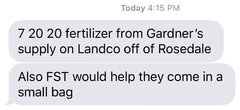
    Today I reached out to the company that laid the sod, and he explained that he’s got 6 calls about the exact same thing in the same development. He said he ran a soil test and I suggested that I put down some 7-20-20. I told him that I just put down some 32-0-4 this last Saturday, and he said that would be fine. I’m asking you all, is that okay??? He also wants me to put down some FST (whatever that is)

    What do you guys think?
  • 8 years ago
    Also, I haven’t cut it in 2 weeks
  • 8 years ago

    FST is a bag of micronutrients. I would not apply anything like that without doing your own soil test to show which micros you need and how much. If 6 lawns in the neighborhood have the same problem, then there's a problem. Are there lawns which do not have the problem?

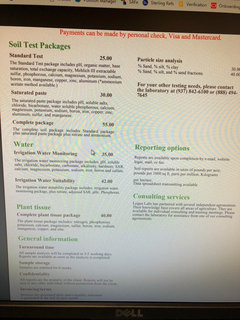
    A really good soil test for micros comes from Logan Labs in Ohio. Cost is $25. If you get that, when they email you the results, post it here for review. My fear for your area is excessive boron. Boron is an essential micronutrient up to a certain point. Beyond that point it becomes a potent poison. That's why boric acid works so well to kill insects. But it could be another issue like a salt imbalance. Do you know what the area was used for before it was a neighborhood? Another concern would be water drainage from the oil and gas industry. The Logan Labs test will give all the info you need.

    Something you cannot miss with is organic fertilizer. Most of us in the forums use grains from the local feed store to save money on organics. If you look at the ingredients on a commercially bagged organic fertilizer you'll see it is full of grains like soybean, alfalfa, cottonseed, corn, and wheat. You can buy at least some of those at your local feed store. I like alfalfa pellets because they are readily available and inexpensive ($15 for 50 pounds). In other parts of the country soybean meal is less expensive. Visit them and see what's available. It has to be ground, though. Otherwise you will have a field of corn or whatever you get. Apply at 15-20 pounds per 1,000 square feet. You don't have to water it in like you do with chemical fertilizers, but they do need to get moist sometime to help get them started. Just waiting for the morning dew is usually fine for organics. You cannot overdo organics, so just do it. If you spill it on the grass, just wash it in so it doesn't smother the grass.

  • 8 years ago
    From Logan labs
  • 8 years ago
    Which one should I get?
  • 8 years ago

    Figure out what you are doing in this part of your lawn and do it everywhere, unless that is just weeds:

  • 8 years ago
    All weeds
  • 8 years ago

    How recently was the sod laid?

  • 8 years ago

    I'm not saying this to be snarky or contrary, but having a lawn in California in any area where it doesn't rain a lot may not be the best idea. It's getting hotter and drier, and water will be harder to come by, and pouring it all onto an arid-looking back yard does not seem wise. For the amount of money, energy and water you're expending you could have a beautiful garden, filled with easy to grow antique rose varieties and water-wise perennials like lavenders and sage, and with all this beauty you would also be helping bees, butterflies, frogs, salamanders, lizards and other kinds of creatures that are very stressed in an increasingly hostile environment. Something to think about, at any rate. I will now get off my soapbox and leave you to decide what is best for you.

  • 8 years ago

    I agree with ingrid to a point, but doesn't bermuda require minimal water even in the heat?

  • 8 years ago

    The $25 test is what you need.