Software
Houzz Logo Print
midorit

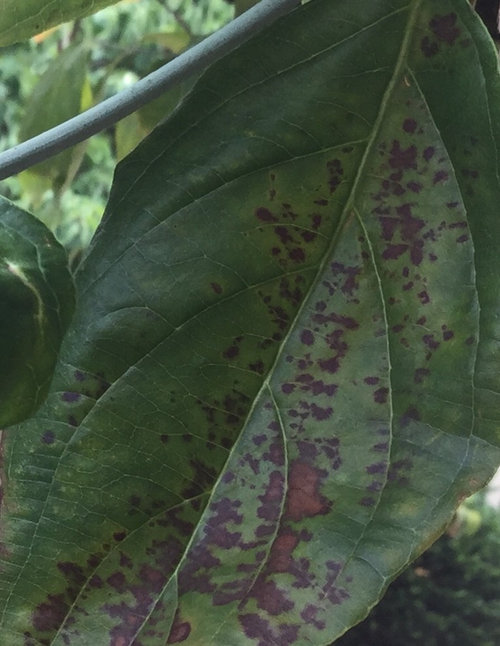
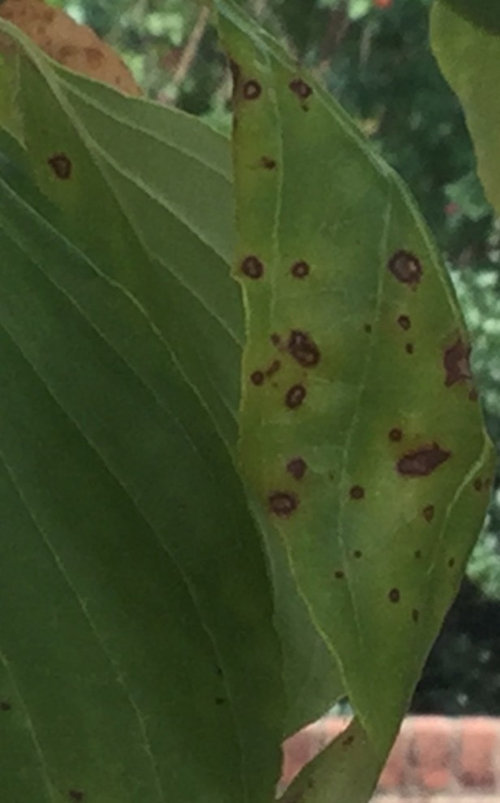
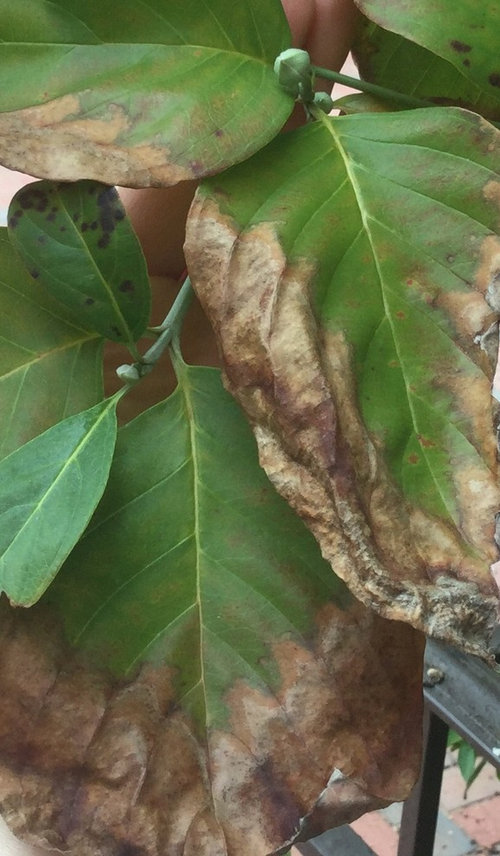
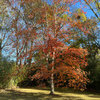
Are these trees diseased? Help us save them

8 years ago

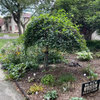
So these trees have been on our property since we moved in 2 years ago so I‘m not too sure the type. they are well establiahed and have been here for I know at least 10 years or more.


but more importantly, it looks like to me something is wrong with them. Spots all over the leaves and browning on the ends of the leaves. What can be done? Is this a disease? How concerned should we be? some branches died last year and we had to remove them but they said it was due to underwating the year before during a drought. We have had lots of rain this year and no droughts.


Would appreciated any insight into their condition and their species. I really don’t want to lose them.


Thanks so much!


Comments (11)

  • 8 years ago
    last modified: 8 years ago

    Start by looking up "dogwood anthracnose", that single phrase will probably take you to relevant discussions of the general subject area. Also if you post again later for best possible results indicate your geographic location

    midorit thanked Embothrium
  • 8 years ago

    i am not much concerned about leaves looking bad in late august .... on DECIDUOUS TREES .... THEY ARE GOING TO FALL OFF SOON ENOUGH.. AND BE GONE.. HENCE THE CLEAN UP ...


    how many times am i going to hit that caps key.. crikey ...


    on evergreen trees... you would need to spray in a preventative manner .. nothing is now going to cure the damage ... and make the leaves look better ...


    a well established tree should not need watering ... but not knowing where you are ... its hard to answer why it took winter damage ... unless they were improperly watered on a system.. and that was turned off .. in other words ... they were too pampered ...


    ken


    midorit thanked ken_adrian Adrian MI cold Z5
  • 8 years ago
    last modified: 8 years ago

    Thank you everone! So glad ot know it’s ok :) and i think you’re right. There may have been one drought when I think about it

  • 8 years ago

    Btw gardengal48 when you say to clean up all the foliage is this so it doesn’t generate more disease? Just want to make sure I understand why to prevent disease in the future summer leaves. Thank you!

  • 8 years ago

    Yes, The leaf spot diseases are fungal in nature and cleaning up all the leaves in fall (and any other tree debris) just avoids any host material for the fungal spores to overwinter on. The leaf spots are not systemic like the anthracnose is (and that presents very differently as well) so good garden sanitation goes a long way to keeping them in check.

    btw, take the advice that a well established tree never needs watering with a very large grain of salt.......just not true!! Some trees don't - others do, especially in extended dry periods. Dogwoods would be included in this latter category, even more so in a full sun siting.

  • 8 years ago
    last modified: 8 years ago

    true ... i missed the dogwood part.. they are a bit foo foo .... to the point where i tried and failed on 2 or 3 ... and just quit growing them in my MI ...

    if i recall back two or 3 decades .. i was trying to grow the really foo foo ones.. variegated.. etc .. and have learned since.. they more native plain old ones.. are much more forgiving ....

    also.. in my MI ... i think they can take winter damage .... and that was a complicating factor i didnt know of back then ...

    forgive me if i cant recall...are you in MI ... down here in adrian.. we had a 8 weeks total drought ... and i thought most of MI had some length of the same ... not to mention plus 90 heat for most of it .... surely a deep drink of water during such would be a plus ...

    keep in mind.. damage to a leaf could have happened weeks or months ago .... and shows so much later.. it is hard to define when it occurred ...

    regardless.. even a damage leaf continues to process sunshine.. to store in the roots ... so its not much to worry about ... the thing to worry about.. is when the whole tree turns brown ...


    as to fall cleanup.. if you have a blower ... just blow all the leaves into the lawn ... and pick them up.. and send them in the garbage .... dont compost them ...


    ken

  • 8 years ago

    Nothing at all "foo-foo" about dogwoods :-) Like most trees, they just require sitings and conditions that are best suited to their needs. And also like most trees, are subject to some disease issues as well.

    ken, your experience is likely due to them being of marginal hardiness in your zone. Unless stock of from a more northern provenance. Your sandy soil may not be of much to their liking either.

  • 8 years ago

    I think that he means frou frou but the same applies! There are Cornus crosses (Florida x kousa, I think) that are immune to anthracnose. Much better look, no special care required.

  • 8 years ago
    last modified: 8 years ago

    OP is not alone in observing the damage to dogwood foliage. WAPO article says none other than Ronald Raegan observed the same thing. Any knowledgeable, observant poster will immediately recognize dogwood anthracnose and understand that it is a serious problem. This dogwood's native range is extensive, from Maine to Ontario southward to NE Mexico to Florida. Happily some selections such as 'Appalachian Spring' show resistance. I'm not quite ready to give up on Cornus florida. Let's face it, the Rutgers hybrids just aren't the same thing, not even close.

  • 8 years ago

    While 'anthracnose' is usually a catch-all term for various leaf spot issues that occur on trees, dogwood anthracnose is a very specific pathogen and athough it can bear a resemblance in symptoms to other, even more common dogwood leaf spots, overall it presents quite differently. It begins on the lower canopy of the tree and progresses upwards, initial spots coalesce into a solid mass, killing the leaf. Flower bracts (which tend to be produced more profusely on a tree suffering from anthracnose) are also spotted and blighted, as are twigs and outer branches, resulting in a lot of stem dieback. Stem and branch cankers tend to be present as well and will often display conidiomata (spores) of black or orange. Do you see anything like that on your trees?

    "Let's face it, the Rutgers hybrids just aren't the same thing, not even close."

    That is pretty much just a matter of opinion. In many cases, the more disease resistant hybrids or kousa dogwoods are far superior landscape specimens.