Software
Houzz Logo Print
snowordice

My Aloe juvenna needs HELP and I'm getting desperate for advice.

8 years ago

Hi all,


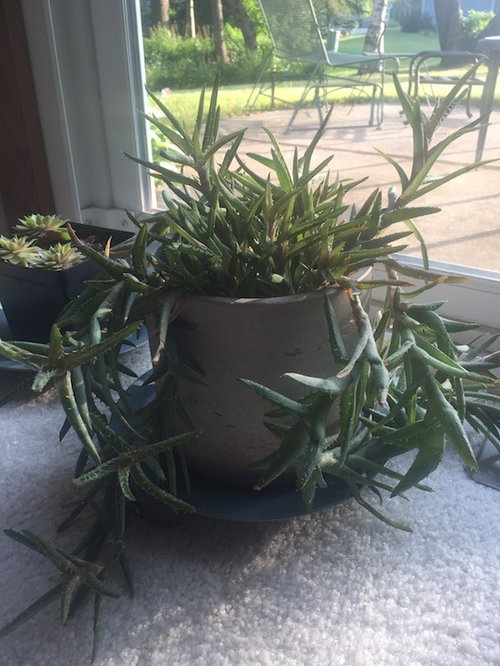
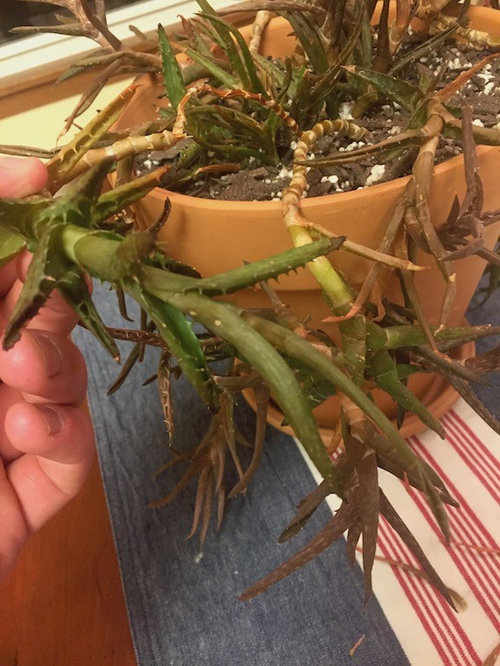
My Aloe juvenna (let’s call him Spike from here on out) has taken a bit of a sinister turn this past month. My friend gave him to me at the beginning of August, and (to the best of my knowledge) they had kept him inside near a south facing window for the year or so that they had owned him. He was green and looked healthy, but was long and strange looking (see photo 1). It took us until mid-August to figure out that Spike was an Aloe juvenna. (Later research told me that his stringiness was to to etiolation, a problem I am now trying to fix with more sunlight).


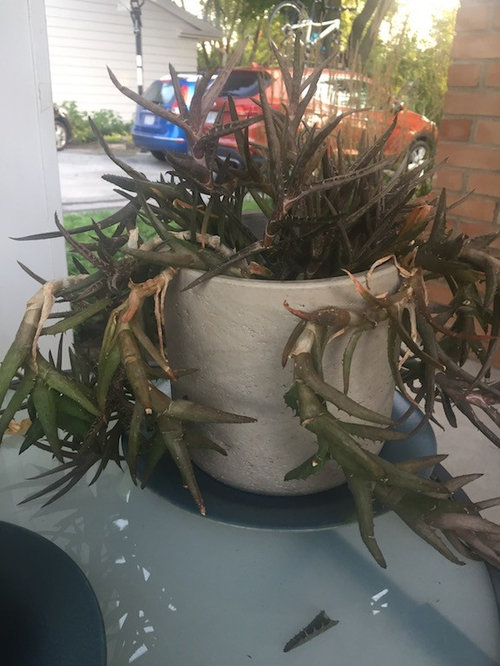
A few days after I got him, I left Spike out on my porch in a partially shaded area on the west side of my house for a week while I was on vacation. It was hot that week and the sun was strong, but I thought he would be fine behind the partial shade of the fringe of a burning bush. When I came back, to my shock he had turned sort of a reddish-brown color in some areas. This really freaked me out; I thought he was sunburned (see photo 2). In reaction, I moved him to an east-facing window inside my house. In retrospect, I think this spot did not have enough sun for him. In fact, I moved him back to that spot on the porch about the 16th of September after I had found out that apparently Aloe juvenna turn reddish-brown naturally when they are outside.


Admittedly, I probably under-watered him the first month or so I had him because I was scared to death of root rot. On September 5th I took him to a nearby garden center and with some help repotted him to an 8” terra cotta pot with a drainage hole (his previous 6” pot had no drainage hole), so now I am less worried about overwatering him. Since, I have given him one good soak on September 16th, and in a storm on the 25th he got hit with a little sideways rain spray (not too much though, there wasn’t even any drainage in the plate under the pot).


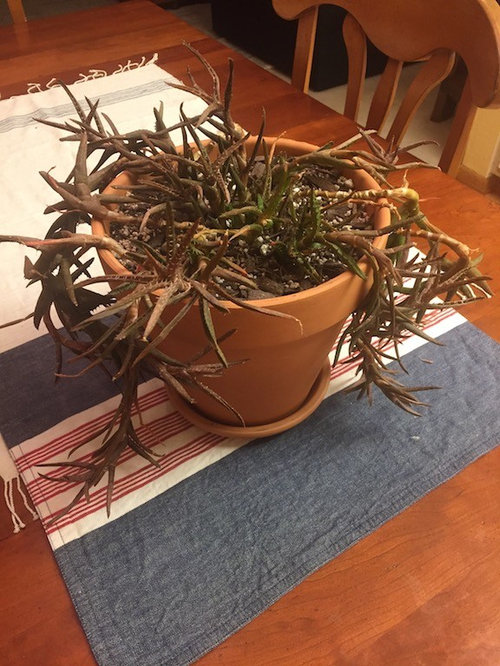
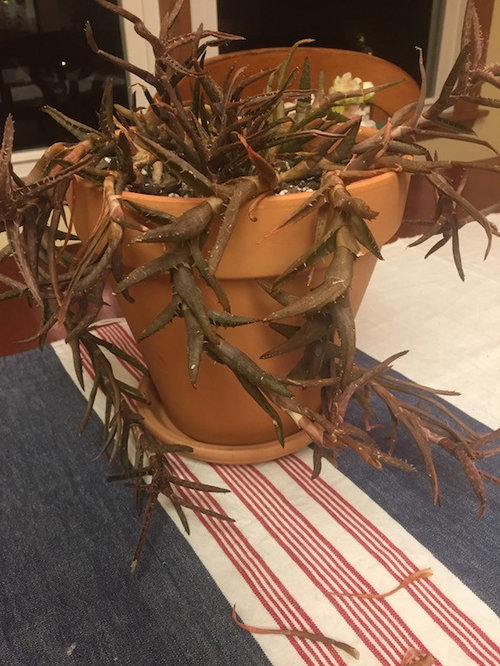
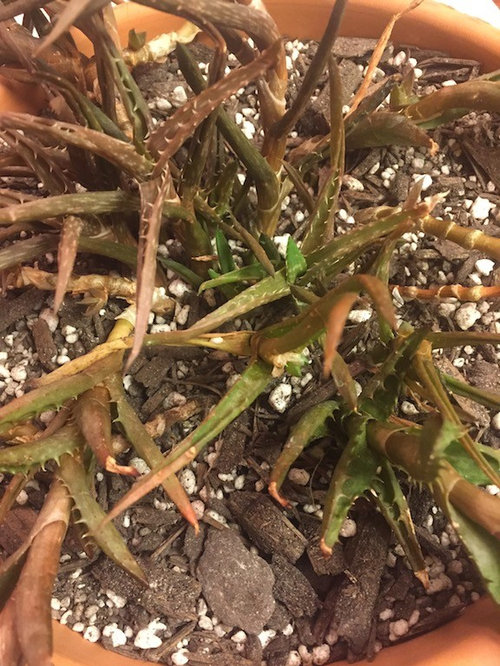
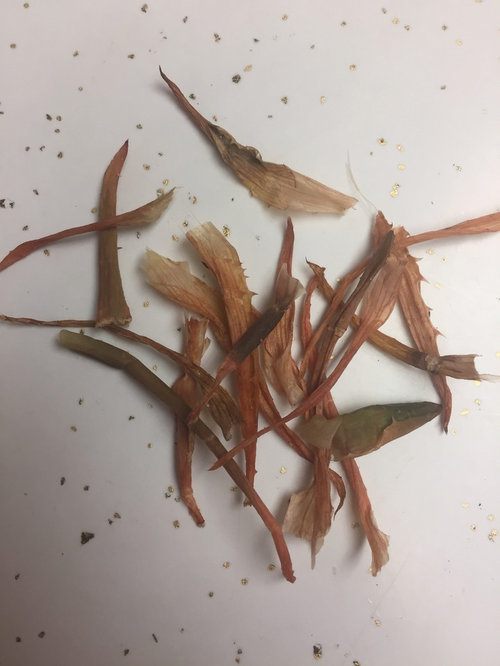
Long story short, I am worried about how Spike looks. He is a darkish brown color (see photos 3 & 4) in most areas (although some areas are green, even one connected to the roots by an extremely etiolated section of “stem”...seriously, its holding on by a thread; see photos 5 & 6). I am picking off dying leaves every so often (see photo 7) so his nutrition isn’t robbed, but I can’t tell what Spike’s actual condition is like.


There are areas of green near the root system which make me elated to see since that means there is at least something going on growth wise. There also seem to be some buds on other areas of established stalks.


My questions are:

-Am I watering him enough (I’m probably shooting for once every two weeks now, but had been MUCH less giving before September 16th...like I’d splash a little water in there every so often but was too afraid of root rot to soak)?

-Is he getting too much sun? Too little?

-Should I trim some of those longer stalks?

-Should I pull him out of his pot and propagate any pups I find to spread my luck around?


ANY advice is greatly appreciated. I will do anything humanly possible to not just keep this guy alive but to help him thrive. Seriously. If you have any recommendations on how I should be taking care of Spike, PLEASE let me know. I’m getting desperate.


Thank you so much


Comments (4)

  • 8 years ago
    last modified: 8 years ago

    Water thoroughly when he's completely dry. DO NOT water based on an amount of time, but on the feel of his soil. Stick your finger maybe 2-3 inches in every few days. Once it's totally dry, water until it drains out of the bottom. If you do this, and he's in good well-draining soil (which he appears to be in! good job!), you won't have to worry about overwatering at all! The soil will take care of draining out any excess water for you.

    Also, aloe can turn red from lots of sun/heat. They can definitely handle plenty of sun if you give them enough water, and give them 2 weeks to get slowly get acclimated to it. Gradually give it more and more sunlight until its in the level of sun you'd like it to get daily. The lack of water combined with the sudden change of little sunlight to too much sunlight may be causing this appearance.

    I'd definitely give it a bit of time to stabilize with consistent proper watering and normalized levels of sunlight, before doing anything involving unpotting, pruning, or removing the pups. Unpotting/repotting can cause a lot of stress. Let it heal and get used to its new environment first :)

    Liam thanked User
  • 8 years ago

    You can also check for dryness of the potting mix with a skewer or chopstick, even a pencil. Insert it into the soil for a minute, down deep enough to give a reading where the roots are situated in the pot. If the stick is damp or feels cool, don't water.

    My A. juvenna looks different from yours. Mine is growing in full sun all year long. My summers are quite wet, but these guys are on a slope in gritty mix so they must drain well enough. My winters are quite dry. That is when I get the best color from my plants.

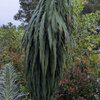
    This is one bunch of A. juvenna during the wet summer -


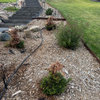
    And this is the same plant during the dry winter -


    So both sun and water conditions can stress our plants, not just Aloes.

    I have heard other people say they remove the dead and dying leaves so they don't rob nutrition from the plant. Actually, as leaves age they are reabsorbed by the plant. The water and nutrients go back to the plant and new leaves take the place of the old ones.

    That said - I do remove old leaves because I think they are ugly! LOL

    Liam thanked Crenda 10A SW FL
  • 8 years ago
    last modified: 8 years ago

    Agree with what daxeek said...

    It is definitely etiolated. That color - from reddish to darker, almost brown - is desired by many. It happens in strong light. Acclimatizing any succulent to full sun is important for any plant, to avoid sunburn. Which is different from suntan :)

    Just MO, but it is overpotted - pot too large for plant. But you could leave it in it, since this plant should grow fast and will fill up that pot eventually. In the meantime, it is important to make sure it doesn't sit in soil that is wet for too long. Big pot = lots of soil/mix = takes longer to dry up. Easiest way to find out how dry it is would be using bamboo skewer (or chopstick, thin dowel or even pencil). That way you can insert it deep inside - more important to know how wet or dry it is deep in the pt. Top will dry up fast, but roots are deeper and will rot if in wet medium for long times.

    IF MY plant, I would cut it quite a bit. Something like this (just a suggestion): yellow line is where I would be trimming off long branches and leaving rest (with roots) in the pot; these should continue growing. Blue line suggest trimming long cuttings, they are just too long. But you could cut them into few pieces:


    Etiolated parts will stay as long as they are, so your plant will not look as neat as it could. That's why you need to trim/behead it. Any cuttings can be stuck in dry medium, and they will root fast and easy. Mine are still outside, and will be until it gets consistently cold overnight. Hoping for few weeks...In the meantime, they are exposed to any rain we get, and none is suffering.

    Crenda grows many outside (great weather in Fla!), bring them indoors for winter. But you have to assure good light, otherwise it will keep growing same.

    Above all: do not be terrified :)

    ETA: Crenda posted great post and photos...and, pls. indicate where you are (best to put that info next to your name as others do).

    Liam thanked rina_Ontario,Canada 5a
  • 8 years ago

    The etiolated bits will not go away with sufficient sun. The etiolation will stop and new growth will be normal. You will need to remove the etiolated growth to get a normal looking plant.

    Liam thanked Rob Blomquist