Software
Houzz Logo Print
dillybeansown

Fall anemone ID

7 years ago
last modified: 7 years ago
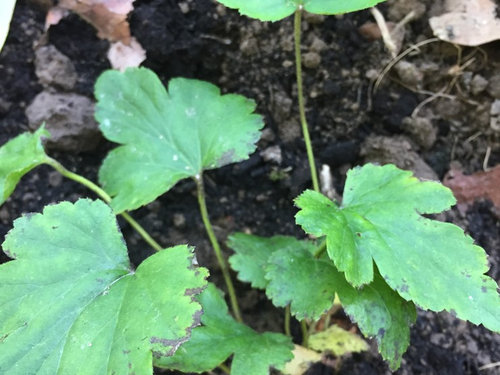
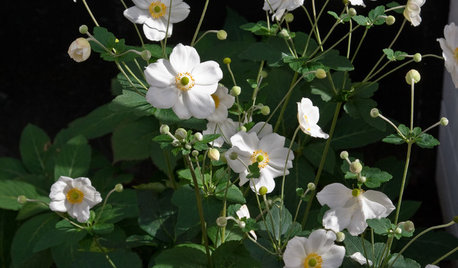
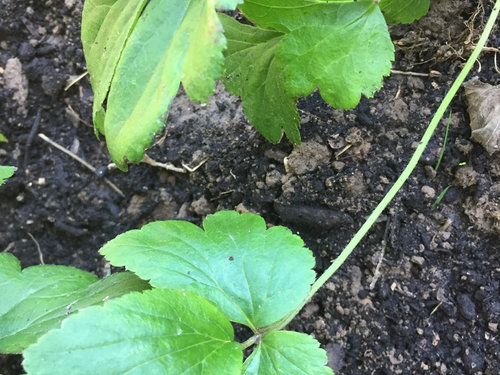
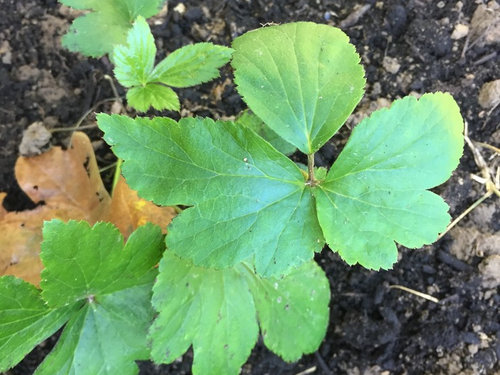
Can any of you tell the difference between anemone Hupehensis and anemone tomentosa by the leaves? I got some from a local plant sale and it was labeled hupehensis, but there were other discrepancies so I want to make sure before I let it loose in the ground. :) I’m prepared to deal with mild invasiveness, but not garden swallowing capabilities. Lol. Thank you.


Comments (15)

  • 7 years ago

    Ok! Thank you. If there are any hairs, they are very short indeed. Definitely no wooliness. That reassures me a little. :)

  • 7 years ago
    last modified: 7 years ago
    Historically there hasn't been much presence of Anemone tomentosa on the market. With most named forms belonging to A. hupehensis var. japonica and (in particular) A. x hybrida.

    And anyway I'd think that if the plant shown here is any single one of these Japanese anemone types it can be expected to run.

    Dillybeansown (6b in the Ozarks) thanked Embothrium
  • 7 years ago

    Yes, they're not uncontrollable, just expect it and don't let them get away from you. Plan on monitoring and possible division or extraction every year.

  • 7 years ago

    Ok. It probably is hupehensis, as the tag said. I’m expecting it to run some. It will be planted in a dry shady area, so not optimal conditions at all. I’m hoping this restrains it a little. :) I just don’t want to plant robustissima or anything of the sort. Some people have good success with hupehensis. I’ve never heard of a well behaved tomentosa.

  • 7 years ago
    last modified: 7 years ago
    I'm not acquainted with the idea that you can get away from more or less vigorous underground spreading of Japanese anemones by planting one particular species instead of another. And since it appears there has been little, if any presence of true A. tomentosa in U.S. nurseries you are probably thinking of one of the others when using that name. 'Robustissima' for instance is considered a cultivar of A. x hybrida. As are most of the named Japanese anemone cultivars.

    AA. hupehenis, tomentosa and vitifolia are included in this latter day dichotomous key (scroll down to numbers 20-22). Again differentiation of the first two from one another at a basic level boils down to splitting hairs.

    http://www.efloras.org/florataxon.aspx?flora_id=2&taxon_id=101733

    The highlighted species names in the key open to full descriptions when clicked on.

  • 7 years ago

    Yes, it is a good thing I enjoy the flowers of Robustissima because it is a beast.

    I have a large patch that I control the spread every year. Well worth the effort for me but fully understand people not wanting to go down that road.

    Your Anemone will not be thrilled in dry shade so do give it water to ensure it's survival.

  • 7 years ago

    Actually, I find Anemone x hybrida cultivars to be very good for dry shade! Need a little pampering to get established (as does anything else in these conditions) but once established, it is a real trooper!! Less than ideal conditions will slow its spread significantly and the clumps may not be as dense as in more sun or with moister soils but they return and bloom very faithfully.

    Dillybeansown (6b in the Ozarks) thanked gardengal48 (PNW Z8/9)
  • 7 years ago

    Embothrium, I don’t want to argue. :) I have never grown any anemones before is, so I’m only going off of what I have learned of others’ experiences. Most people report Robustissima as being the most vigorous and hard to control of the anemones, but I do not doubt that they are all aggressive.


    Peren.all, thanks for the advice! I’ll keep I well watered till it’s established.


    gardengal, thank you! I’m hoping it performs exactly as you described. We shall see :)

  • 7 years ago
    last modified: 7 years ago

    >they are all aggressive<

    Yes: my impression - and point - exactly. You're probably still going to get quite a bit of spreading whichever specific kind you planted.

  • 7 years ago
    last modified: 7 years ago

    Since you must be close to me, being in the Ozarks, I will point out the fatal flaw of Jap anemones. When they want to flower, the soil moisture is usually at the nadir, expect to need to water liberally if you want to enjoy flowers.

    Nothing sadder than crispy anemone flowers.

  • 7 years ago

    What is Anemone sylvestric 'Madonna Snowdrop' like? It is apparently also considered Anemone hupehensis. I grew some from seeds, and like gardengal said they did need babying the first year. Now they are two years old, still not large, but I have seen a small number of seedlings. They are underneath a Japanese Maple.

    They are supposed to be salt tolerant. Maybe I should try them by our shore.

  • 7 years ago
    last modified: 7 years ago

    Actually that's not a hupehensis (it's anemone sylvestris (wood anemone), which blooms in spring).

    I have one...unless it died this year. It bloomed last year, and I saw some foliage this year (but no blooms).

    One of my favorites is anemone canadensis, but be careful, it's a REAL spreader, but can also have lovely fall foliage. I prefer to plant it where it can be contained by mowing and let it spread into large patches...very lovely when in bloom.

  • 7 years ago

    I already have anemone canadensis popping up here or there in old beds with bad soil. It's persistent, but not a problem yet. I don't think anything in those beds is a problem yet. Even the gooseneck loosestrife has to work hard.

  • 7 years ago

    Ah, while Embo is right in stating there is a degree of spreading in all these varieties (the difference being whether seed is involved as well as rhizome spread...including a, sylvestris) they can be very difficult indeed to get established...especially in dry shade. Although they don't actually die, they straggle on for years, in some cases before reaching a tipping point when they will finally venture forth, flowering and spreading. All the rhizomatous spreading hybrids will put up a clump from each rooting node...and can be easily chopped out with a sharp spade. In 15 years, Honorine Jobart still only grows from 3 distinct clumps in my (laughingly named) spring border...although each of these clumps are looking exceptionally beautiful right now, scrambling through the foliage of New Dawn, also having a last autumn flush.