

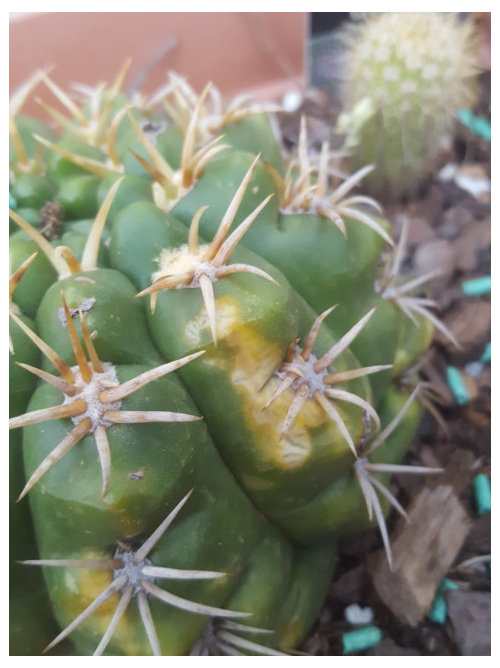
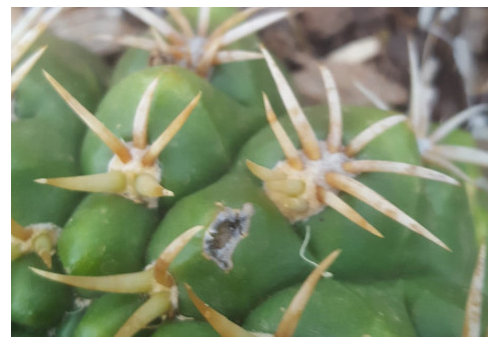
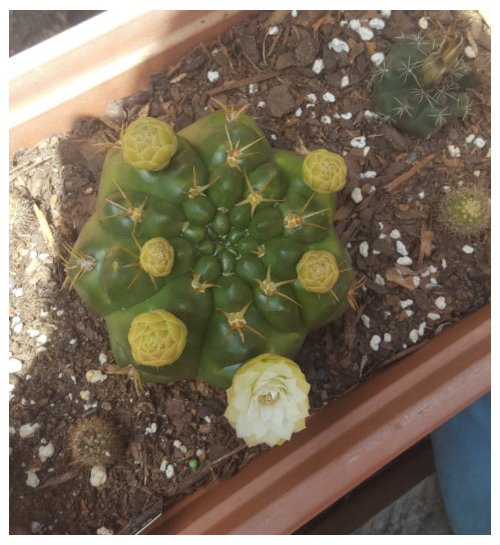
Cactus Concerns
7 years ago
Sort by:Oldest
Comments (5)
Related Stories
LANDSCAPE DESIGN6 Bold and Beautiful Design Strategies for Low-Water Landscapes
Landscape designer Daniel Nolan shares his ideas for bringing high style to dry gardens
Full Story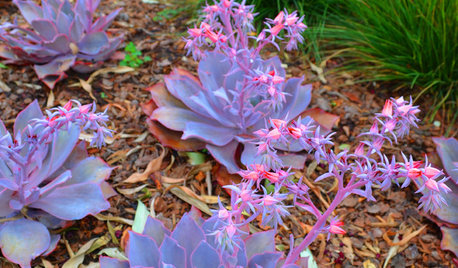
GARDENING GUIDESGreat Design Plants: Stars of the Succulent Garden
Amazing colors, exuberant blooms, low maintenance ... is it any wonder Echeveria is so popular?
Full Story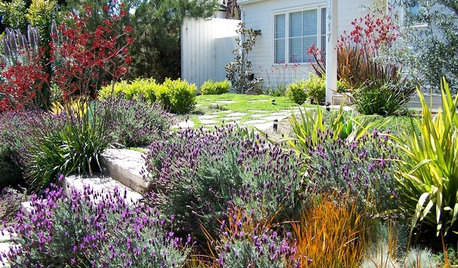
SAVING WATERGreat Plants for Lush, Low-Water Gardens
Water restrictions making your garden look washed out? Give it living color with unthirsty grasses, flowers and succulents
Full Story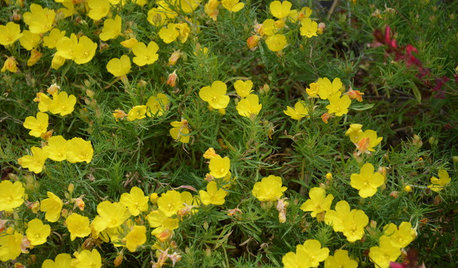
GARDENING GUIDESHartweg’s Sundrops Blankets Southwestern Landscapes in Yellow
The vivid flowers of Calylophus hartwegii add sunny color to drought-tolerant gardens from spring through fall
Full Story
GARDENING AND LANDSCAPINGGarden Tour: A Colorful Patio Blooms in the Arizona Desert
A landscape designer transforms a couple's backyard patio into a feature-packed oasis
Full Story
LIFEConsider Avoiding These Plants to Help Keep Your Garden Fire-Safe
Plants that accumulate dead material, are high in oil or have low moisture content in leaves put some homes at risk
Full Story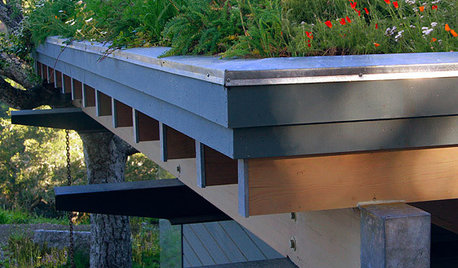
EARTH DAYHow to Install a Green Roof
Covering a roof with low-maintenance plants has benefits beyond just beauty. Get the details here
Full Story
EARTH DAYThe Case for Losing the Traditional Lawn
Work less, help the environment and foster connections by just saying no to typical turf
Full Story
LANDSCAPE DESIGN15 Great Ideas for a Lawn-Free Yard
End the turf war for good with hardscaping, native grasses and ground covers that save water and are easier to maintain
Full Story
EDIBLE GARDENSNatural Ways to Get Rid of Weeds in Your Garden
Use these techniques to help prevent the spread of weeds and to learn about your soil
Full Story

Jeff (5b)
Kara 9b SF Bay Area CA
Related Professionals
Bowling Green Landscape Architects & Landscape Designers · St. Louis Landscape Architects & Landscape Designers · Oxford Landscape Architects & Landscape Designers · Galveston Landscape Architects & Landscape Designers · Chicago Landscape Architects & Landscape Designers · San Francisco Landscape Architects & Landscape Designers · Southaven Landscape Contractors · Jacksonville Landscape Contractors · Brooklyn Landscape Contractors · Los Angeles Landscape Contractors · Florence General Contractors · Cape Coral General Contractors · Lawrence General Contractors · Janesville General Contractors · Bronx General ContractorseahvezOriginal Author
Polypompholyx
eahvezOriginal Author