

Protecting pots
7 years ago
Featured Answer
Sort by:Oldest
Comments (9)
 7 years agolast modified: 7 years ago
Related Professionals
Spartanburg Landscape Architects & Landscape Designers · Johnson City Landscape Architects & Landscape Designers · New Bedford Landscape Architects & Landscape Designers · Abilene Landscape Contractors · Leamington Landscape Contractors · Vancouver Landscape Contractors · Annapolis Home Builders · Oxford Home Builders · Charlotte Home Builders · Frisco Home Builders · Trenton Home Builders · Harrisburg Home Builders · Saint Marys Home Builders · Scranton Home Builders · San Bernardino Home Builders 7 years agolast modified: 7 years ago
- 7 years ago
- 7 years agolast modified: 7 years ago
 7 years ago
 7 years ago
- 7 years ago
- 7 years ago
Related Stories
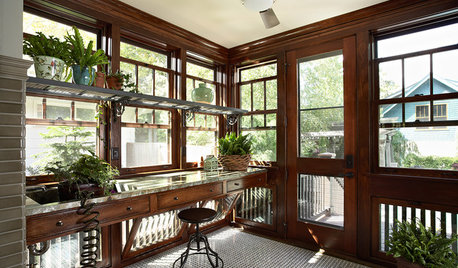
STUDIOS AND WORKSHOPSRoom of the Day: Potting and Puttering in Toasty Warmth
Minnesota winters are no match for this heated potting room, mudroom and changing room, which even has a dog shower
Full Story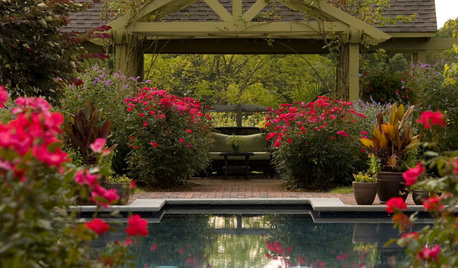
SPRING GARDENINGHow to Grow a Rose Garden in Pots
Everything can come up roses, even without a plot of soil in sight. This step-by-step guide to growing roses in containers shows you how
Full Story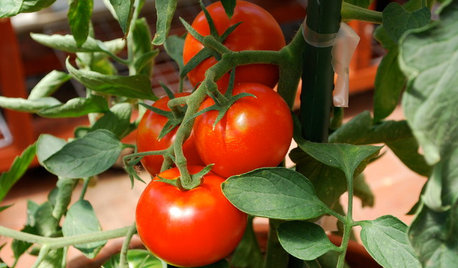
GARDENING 101How to Grow Tomatoes in Pots
Don’t have much space for a garden? All you need is a sunny spot and a large container to grow this favorite summer crop
Full StoryWINTER GARDENINGWinter Gardening: Ideas for a Dream Potting Room
Check out potting rooms that get indoor gardening right — and learn tips for creating your own
Full Story
PRODUCT PICKSGuest Picks: 20 Uncommonly Attractive Pots and Planters
Cultivate some personality indoors with plant containers that are as unique as the greenery they hold
Full Story
REMODELING GUIDES5 Ways to Protect Yourself When Buying a Fixer-Upper
Hidden hazards can derail your dream of scoring a great deal. Before you plunk down any cash, sit down with this
Full Story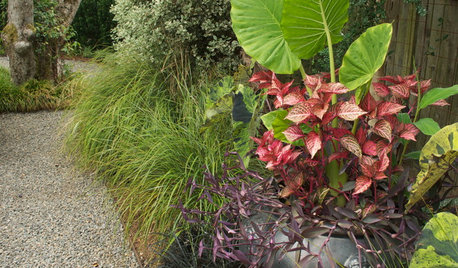
CONTAINER GARDENSSolve Your Garden Border Dilemmas With Planted Pots
Set your containers free from the patio — placed among plantings in the ground, they fill unsightly gaps, let you experiment and more
Full Story
GARDENING AND LANDSCAPINGGet the Dirt on Potting Benches
Possibly a gardener's best friend, potting benches have some surprising uses both outdoors and inside the home
Full Story
SUMMER GARDENINGHow to Water and Refresh Your Potted Plants Over the Summer
Keep container gardens looking lush by cooling them down when temperatures rise and by giving them a seasonal spruce-up
Full Story
CONTAINER GARDENSBeat the Frost With Natural Terra-Cotta Containers
Here's how to protect your pots during the cold winter months
Full Story

Paul MI