

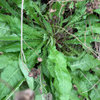
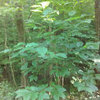
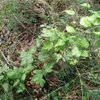
winter ID challenge
7 years ago






Featured Answer
Sort by:Oldest
Comments (14)
Related Professionals
New Orleans Landscape Architects & Landscape Designers · Atlantic City Landscape Architects & Landscape Designers · New Haven Landscape Architects & Landscape Designers · Binghamton Landscape Architects & Landscape Designers · Aurora Landscape Contractors · Akron Landscape Contractors · Pittsburgh Landscape Contractors · Chico Landscape Contractors · Palm Desert Landscape Contractors · San Angelo Landscape Contractors · Salem Landscape Contractors · Greenville Stone, Pavers & Concrete · Barnstable Stone, Pavers & Concrete · Stockton Stone, Pavers & Concrete · Durango Stone, Pavers & Concrete 7 years ago
 7 years ago
- 7 years ago
- 7 years ago
 7 years ago
- 7 years ago
- 7 years ago
- 7 years ago
- 7 years ago
- 7 years ago
- 7 years ago
- 7 years ago

Related Stories

LIFESimple Pleasures: A Long Winter’s Nap
This time of year we can always use a little extra rest. Make it easy with these ideas for daytime napping
Full Story
LAUNDRY ROOMSFreeze-Dried Clothes? Houzzers Share Their Winter Laundry Tales
Air-drying the wash in chilly temps can be a challenge, but Houzz readers find a way
Full Story
SELLING YOUR HOUSE9 Tips for Selling Your House in Winter
Make your home stand out to buyers in a challenging season by upping its coziness and showing its potential
Full Story
WINTER GARDENING8 Tips for Keeping Your Houseplants Healthy in Winter
Reduce watering, stop fertilizing, move them into the light and more
Full Story
LIFE6 Ways to Beat the Winter Blahs
Snow and dark days dampening your spirits? These ideas will have you looking on the bright side
Full Story
PRODUCT PICKSGuest Picks: Snowy, Starry Winter Decor
Let winter's magic reach every room with accessories, furnishings and fixtures done up in nighttime blue and snowdrift white
Full Story
CURB APPEAL9 Ways to Boost Winter Curb Appeal
No blossoms and a barren yard? You can still make your home attractive and inviting from the street
Full Story
PRODUCT PICKSGuest Picks: Make That Winter Entryway Work Better
Keep slush and muck at the door with stylish boot trays, hooks, baskets and rugs
Full Story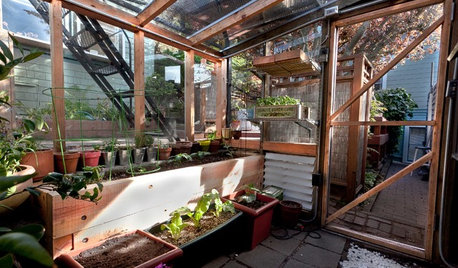
EDIBLE GARDENS10 Great Crops for a Winter Greenhouse
Treat yourself to fresh produce during the winter months by growing these edible favorites in your greenhouse
Full Story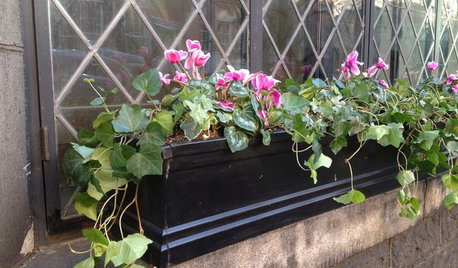
WINTER GARDENINGCity Gardener: Fun With Winter Window Boxes
Winter's chill and a lack of yardage don't need to deter you from bedecking your windows with eye-catching arrangements like these
Full Story0



NHBabs z4b-5a NH