

What is a "Solid Surface Resin" sink material?
7 years ago
Sort by:Oldest
Comments (4)
Related Stories

STONEWant a Gem of a Surface Material? Luxury Agate's a Dazzler
Turn heads with amazing accent walls and countertops made from this splendid kaleidoscopic stone
Full Story
KITCHEN COUNTERTOPSKitchen Counters: High-Tech Solid Surfaces Make Maintenance Easy
Sculpted by heat and nonporous by nature, solid-surface countertops bring imagination and low maintenance to the kitchen
Full Story
BATHROOM DESIGNBathroom Countertops 101: The Top Surface Materials
Explore the pros and cons of 7 popular bathroom countertop materials
Full Story
KITCHEN DESIGNKitchen Countertops 101: Choosing a Surface Material
Explore the pros and cons of 11 kitchen countertop materials. The options may surprise you
Full Story
KITCHEN DESIGN8 Kitchen Sink Materials to Consider
Learn the pros and cons of these common choices for kitchen sinks
Full Story
KITCHEN TRENDSEmerging Decorative Surfaces for Kitchens and Baths in 2019
Artists and brands collaborated on gorgeous sinks, tiles, vanities and more seen at the Kitchen & Bath Industry Show
Full Story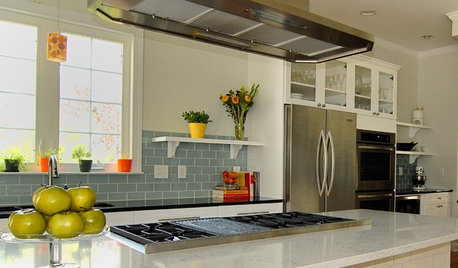
KITCHEN DESIGNGet Quartz and Porcelain Surfaces Super Clean
These cleaning tips for quartz, travertine, porcelain and engineered stone will help keep your countertops and sinks looking spotless
Full Story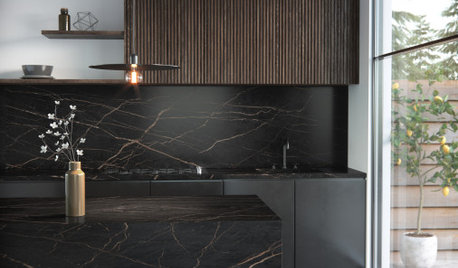
KITCHEN COUNTERTOPSThe Latest Colors and Styles in Engineered Surfaces
Dark and light hues, sophisticated veining and textured finishes stood out at the 2020 Kitchen & Bath Industry Show
Full Story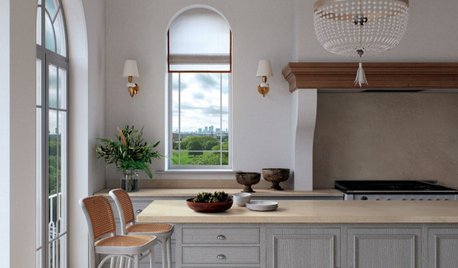
MATERIALSNew Looks for Engineered Countertops and Other Surfaces
See the top colors and styles for new engineered surfaces introduced at the 2021 KBIS trade show
Full Story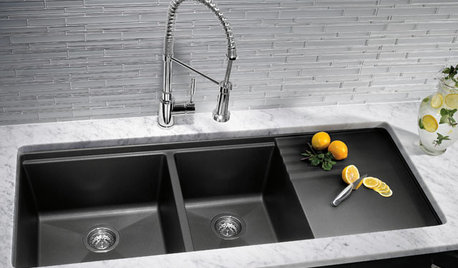
KITCHEN DESIGNKitchen Sinks: Granite Composite Offers Superior Durability
It beats out quartz composite for strength and scratch resistance. Could this kitchen sink material be right for you?
Full Story
Granite City Services
forevernowOriginal Author
Related Professionals
Dalton Kitchen & Bathroom Designers · Chattanooga Kitchen & Bathroom Designers · College Station Kitchen & Bathroom Designers · Mason City Kitchen & Bathroom Designers · Fall River Kitchen & Bathroom Designers · Plymouth Kitchen & Bathroom Designers · Buffalo Kitchen & Bathroom Designers · Monroe Kitchen & Bathroom Designers · Modesto Kitchen & Bathroom Designers · Natchitoches Kitchen Remodelers · Temecula Kitchen Remodelers · Clarksville Custom Countertops · Houston Custom Countertops · Norfolk Custom Countertops · Wheeling Custom CountertopsDesign Loft Bracebridge
forevernowOriginal Author