

Flooring advice for cold basement
7 years ago
Featured Answer
Sort by:Oldest
Comments (12)
 PRO7 years ago
Related Professionals
Hempstead Flooring Contractors · Sierra Vista Flooring Contractors · Santa Barbara Flooring Contractors · Wilmington Tile and Stone Contractors · Indianapolis Tile and Stone Contractors · Mobile Kitchen Remodelers · Cheyenne Kitchen Remodelers · San Marcos Interior Designers & Decorators · Clarksburg Interior Designers & Decorators · Davenport Interior Designers & Decorators · Hilo Interior Designers & Decorators · Tuscaloosa Cabinets & Cabinetry · Savannah Cabinets & Cabinetry · Winston-Salem Cabinets & Cabinetry · Charleston Cabinets & Cabinetry PRO7 years ago
 7 years ago
 7 years ago
 7 years agolast modified: 7 years ago
- 7 years ago
- 7 years ago
- PRO7 years ago
- 7 years ago
- 7 years ago
- PRO7 years ago

Related Stories
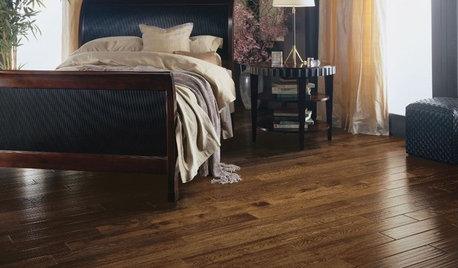
REMODELING GUIDESYour Floor: An Introduction to Solid-Plank Wood Floors
Get the Pros and Cons of Oak, Ash, Pine, Maple and Solid Bamboo
Full Story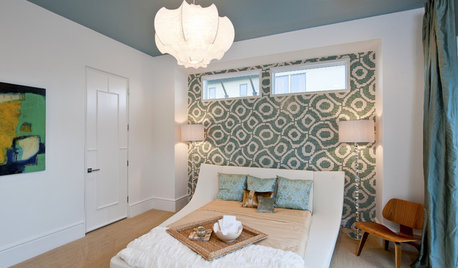
REMODELING GUIDES9 Expert Tips for Creating a Basement Bedroom
Put overnight guests up in comfort or enjoy the bonus bedroom yourself with this professional advice for converting your basement
Full Story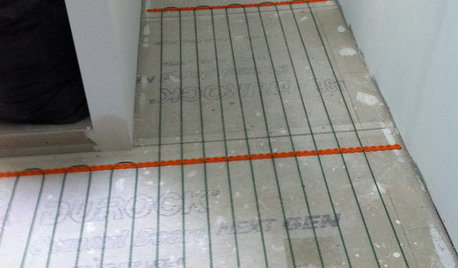
BATHROOM DESIGNWarm Up Your Bathroom With Heated Floors
If your bathroom floor is leaving you cold, try warming up to an electric heating system
Full Story
BATHROOM DESIGNWhich Flooring Should I Choose for My Bathroom?
Read this expert advice on 12 popular options to help you decide which bathroom flooring is right for you
Full Story
REMODELING GUIDESContractor Tips: Advice for Laundry Room Design
Thinking ahead when installing or moving a washer and dryer can prevent frustration and damage down the road
Full Story
FLOORSFloors Warm Up to Radiant Heat
Toasty toes and money saved are just two benefits of radiant heat under your concrete, wood or tile floors
Full Story
TRADITIONAL HOMESHouzz Tour: Basement Now a Light-Filled Family Living Space
Merging a house and a basement flat into one townhouse creates a spacious family home in London
Full Story
FLOORS5 Benefits to Concrete Floors for Everyday Living
Get low-maintenance home flooring that creates high impact and works with home styles from traditional to modern
Full Story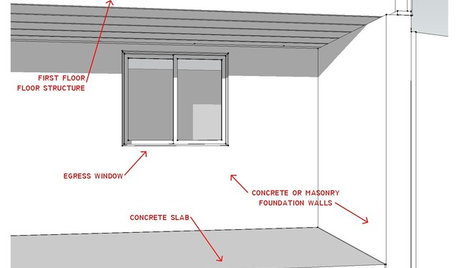
REMODELING GUIDESKnow Your House: The Steps in Finishing a Basement
Learn what it takes to finish a basement before you consider converting it into a playroom, office, guest room or gym
Full Story
REMODELING GUIDESLaminate Floors: Get the Look of Wood (and More) for Less
See what goes into laminate flooring and why you just might want to choose it
Full Story

SJ McCarthy