

Measuring exhaust fan performance ?
7 years ago
Sort by:Oldest
Comments (5)

Related Stories

KITCHEN DESIGNHow to Choose the Right Hood Fan for Your Kitchen
Keep your kitchen clean and your home's air fresh by understanding all the options for ventilating via a hood fan
Full Story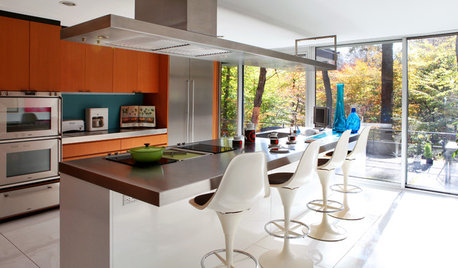
KITCHEN APPLIANCESLove to Cook? You Need a Fan. Find the Right Kind for You
Don't send budget dollars up in smoke when you need new kitchen ventilation. Here are 9 top types to consider
Full Story
BATHROOM DESIGNKey Measurements to Help You Design a Powder Room
Clearances, codes and coordination are critical in small spaces such as a powder room. Here’s what you should know
Full Story
KITCHEN DESIGNKey Measurements for Your Kitchen Design
Get the ideal kitchen setup by understanding spatial relationships, dimensions and work zones
Full Story
DECORATING GUIDESHow to Choose a Ceiling Fan for Comfort and Style
Pros share what fan size to buy, what blade angle to look for and which type works with your ceiling height
Full Story
BATHROOM DESIGNKey Measurements to Make the Most of Your Bathroom
Fit everything comfortably in a small or medium-size bath by knowing standard dimensions for fixtures and clearances
Full Story
BATHROOM WORKBOOKStandard Dimensions and Measurements for a Primary Bath
Create a luxe bathroom that functions well with these key fixture dimensions and layout tips
Full Story
GARAGESKey Measurements for the Perfect Garage
Get the dimensions that will let you fit one or more cars in your garage, plus storage and other needs
Full Story
STANDARD MEASUREMENTSKey Measurements to Help You Design Your Home
Architect Steven Randel has taken the measure of each room of the house and its contents. You’ll find everything here
Full Story
HOMES AROUND THE WORLDHouzz Tour: A Loft in Lithuania for a Fan of New York Style
An architect re-creates the look of an American loft in his Vilnius apartment — with some special added touches
Full Story
Mark Bischak, Architect
Nancy in Mich
Related Professionals
Elk City General Contractors · McAlester General Contractors · San Antonio General Contractors · Grand Junction General Contractors · Washington Home Remodeling · Clarksville Home Remodeling · Coldwater Home Remodeling · Roanoke Bathroom Remodelers · Tulsa Architects & Building Designers · York Architects & Building Designers · Niles Design-Build Firms · Los Angeles Design-Build Firms · Salinas Design-Build Firms · Charleston Tile and Stone Contractors · Las Vegas Tile and Stone ContractorsCharles Ross Homes
AnnKH
opaoneOriginal Author