

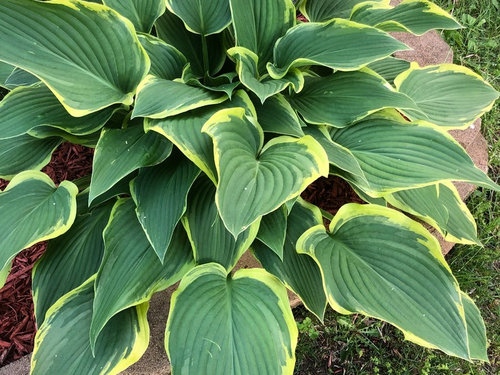
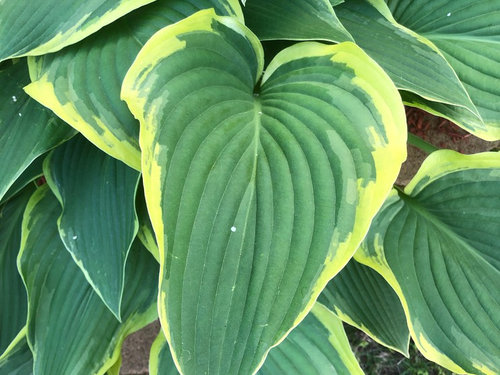
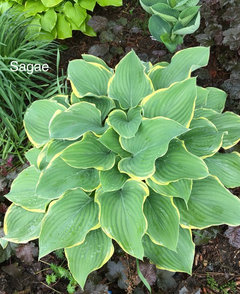
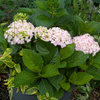
What cultivar is this hosta?
7 years ago
last modified: 7 years ago
Featured Answer
Sort by:Oldest
Comments (20)
 7 years agolast modified: 7 years ago
 7 years ago
Related Professionals
Indianapolis Landscape Architects & Landscape Designers · Poplar Bluff Landscape Contractors · Raleigh Landscape Contractors · Burlington Landscape Contractors · Ardmore Home Builders · Laredo Home Builders · Logan Home Builders · Wheeling Landscape Architects & Landscape Designers · Carson City Landscape Architects & Landscape Designers · Pittsfield Landscape Contractors · Lansing Landscape Contractors · West Palm Beach Home Additions · Middlesboro Home Additions · Cherry Hill Home Additions · Rockford Home Additions 7 years ago
- 7 years ago
- 7 years agolast modified: 7 years ago
 7 years ago
- 7 years ago
- 7 years agolast modified: 7 years ago
 7 years ago
- 7 years ago
- 7 years ago
- 7 years ago
- 7 years ago
- 7 years ago
 7 years agolast modified: 7 years ago
 7 years agolast modified: 7 years ago
- 7 years ago
- 7 years ago
- 7 years ago
Related Stories
GARDENING GUIDESHosta Alternatives for the Shaded Garden
Discover which foliage plants to use instead of or in addition to hostas in the landscape
Full Story
GARDENING FOR BUTTERFLIESGreat Design Plant: Lungwort
Yes, the name is unfortunate. But the flowers and foliage are delightful, and this perennial is easy to grow and shunned by deer
Full Story
GARDENING GUIDESGarden-Friendly Native Alternatives to Overplanted Exotics
There are lots of gorgeous, wildlife-friendly native plants ready to make an appearance in your garden
Full Story
GARDENING GUIDES20 Ways to Create a Chartreuse Splash in the Landscape
Use this hot garden color for plantings, paint and accessories to create a cool outdoor vibe
Full Story
GARDENING GUIDES15 Shade-Loving Plants With Showy Flowers or Foliage
These all-star perennials bring bright colors and bold textures to beds ranging from partial shade to full shade
Full Story
GARDENING GUIDESGreat Design Plant: Foamflower Cushions Shady Garden Areas
Try evergreen ground cover Tiarella cordifolia for a soft look all year — one the rabbits and deer won’t mess with
Full Story
GARDENING GUIDESGreat Design Plant: Gaura Lindheimeri
Delicate, butterfly-shaped flowers ‘float’ above the foliage of this lovely, drought-tolerant perennial
Full Story
GARDENING GUIDES7 Shade-Loving Rarities of the Plant World
Cultivate a discriminating air in a shady garden patch with these uncommon woodland wonders
Full Story
GARDENING GUIDESGreat Design Plant: Painter’s Palette Knotweed Adds Color in Shade
Use bold and colorful Persicaria virginiana for an artistic touch in a darker garden
Full Story
GARDENING GUIDESOh, Deer! 10 Native Flowers That Stand Up to the Herds
Keeping a garden amid hungry deer can be hard, but these plants should fare well
Full Story
Sponsored
jimr66