Software
Houzz Logo Print
maggie_xiaof

Hinoki cypress turning brown

7 years ago

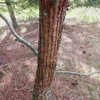
Hi all. We have planted a hinoki cypress weeks ago. Today I noticed some of its leaves are turning brown. please advise if it is normal for a new planted tree? We haven’t really watered it ever since planted, because it has been raining once every two days. Should we do anything to stop it from getting worse?


Thanks so much


Comments (10)

  • 7 years ago

    If it’s just browning on the interior it’s probably normal. Pretty much all Hinokis do that.

    Maggie Fang thanked Jacob Bisharat VA zone 7A/7B
  • 7 years ago
    last modified: 7 years ago

    What's all that burlap I see around the base of the tree? Is there something tied around the trunk ? Any wire associated with the wrapping?

    The burlap should've been cut away at planting time. At least at the top and as far down into the hole as reachable at the time. Some places use burlap that doesn't rot and some also use a wire or steel basket to hold the soil before the burlap goes on. This all needs to be removed at planting time or it can cause problems later on.

  • 7 years ago

    conifers are trees.. things happen in tree time.. and that is counted in years.. even decades ... as such.. this has little to do with your planting ...


    interior yellowing and browning is cyclical and normal ...


    it is increased by many stresses.. including.. drought.. bad winter.. digging .. shipping.. transplanting ... etc ...


    sooo.. your plant is stressed .. without doubt ... water it properly.. for two years at least ... to get rid of stress ...


    focus on new growth.. to seecurrent stresses.. if that is doing ok.. then you are on your way .. if and when new growth looks bad.. is when you worry ...


    most burlap is treated to rot rather quickly ... so there is no need to dig them out... but above soil burlap ... will stay to dry to rot quickly.. and... it can wick water from deeper in the soil .. and dry such below grade ... so take a razor blade.. pull the soil back an inch or two.. and get rid of anything you can see ... including any twine ...


    water deeply ... dig small 3 to 6 inch holes until you can figure how to do it in YOUR SOIL ... let it near dry and inch down or so ... and then water deeply again ...


    and a good mulch will help lengthen the period between waterings ....


    trees love drainage.. and that is a function of the drying periods.. most do not prefer to sit in water.. roots need air.. as much as water ...


    welcome to the forums.. always mention where you are.. big city name.. so we can have some inkling on ambient weather ....


    again.. what i see in the pic is VERY minor.. considering what the plant has been thru since it was in the growers field ... so dont panic ... just water properly and remove the burlap you can see ...


    and if you had these professionally installed.. just mention it all to your installer ... just in case you need to go back later with deeper concerns ...


    finally.. a pic of the whole plant might help ...


    below is a general primer on the whole process.. including proper watering and mulching ...


    ken

    https://sites.google.com/site/tnarboretum/Home/planting-a-tree-or-shrub


    Maggie Fang thanked ken_adrian Adrian MI cold Z5
  • 7 years ago

    Anything that restricts free and unobstructed root growth should be removed before planting - wire cages, any twine, ties or stakes/spikes affixing the burlap to the rootball and the burlap itself, treated or untreated. At least from the top and sides of the rootball.

    Dig away the soil surrounding the tree - you do not have to dig up the tree - and remove that junk ASAP.

    btw, also agree with Bill that burlap is often treated to slow its decomposition, not to speed it up.

    Maggie Fang thanked gardengal48 (PNW Z8/9)
  • 7 years ago

    Also think about the rain,,,,it is not getting down to the root ball

    water whether it rains or not

    ron

    Maggie Fang thanked plantkiller_il_5
  • 7 years ago
    last modified: 7 years ago

    It appears that none of the covering has been altered from the original packaging.

    So it's possible that there is at least a tie, staples and upper part of the burlap that should be removed.

    I agree with gg that you don't want to dig up the entire tree but digging a third to half way down the sides would not only give the opportunity to remove the upper parts of packaging but you could feel around in there to find out if there's any wire or basket lurking.

    You might not be able to get all of it out but still may be able to snip at it enough to remove some or parts of of it.

    There may not be any wire involved at all but to know this would give you peace of mind as time goes on.

    The lower half of the root ball is probably the least important to worry about so if you get the upper parts freed up is good enough.

    I would dig carefully so not to damage any new roots extending out from the root ball but if the tree has only been in a few weeks, there shouldn't be all that much new growth to contend with.


    Yes, keep it moist but not soggy.

    Maggie Fang thanked User
  • 7 years ago

    Thanks so much for all your comments. I will try to dig out and remove the string and wire from the original packaging As much as possible. Our nursery told us that It is not necessary to do so. Otherwise we would have done it when planted it. The tree is so heavy...

  • 7 years ago
    last modified: 7 years ago

    If you don't do anything, things might be fine, then again there could be any level of root problems arise. The trouble is, we don't know exactly what materials are being used. Natural, untreated burlap only may not cause any problems. Throw in some plastic twine, metal staples or treated burlap etc. and I find it better to put in the extra work to ensure things aren't causing problems. Then in the future, if problems arise, you not wondering what was left in there that caused it. :-)

  • 7 years ago

    you said the tree was heavy ,, that tells me it has a big root ball ( not big enough to feed the entire top ) as you dig down , you will see how dry it is

    you need to water with garden hose on a trickle for first year untill some feeder roots are replaced

    ron

Sponsored
Miller Woodworks
Average rating: 5 out of 5 stars23 Reviews
Franklin County's Trusted Custom Cabinetry Solutions