

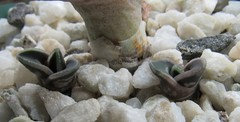
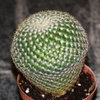
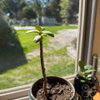
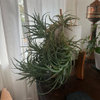
Identification Help Please!
7 years ago
Featured Answer
Sort by:Oldest
Comments (13)
- 7 years ago
Related Professionals
Greenfield Landscape Architects & Landscape Designers · Provo Landscape Architects & Landscape Designers · Lagrange Landscape Architects & Landscape Designers · Pensacola Landscape Contractors · Indianapolis Landscape Contractors · Shreveport Landscape Contractors · Escanaba Landscape Contractors · Buffalo Landscape Contractors · Oxnard Landscape Contractors · Fayetteville General Contractors · Middletown General Contractors · Fayetteville General Contractors · Lafayette General Contractors · Fergus Falls General Contractors · Wausau General Contractors- 7 years ago
- 7 years ago
 7 years agolast modified: 7 years agoBecki Jones thanked Kara 9b SF Bay Area CA
- 7 years ago
 7 years agolast modified: 7 years agoBecki Jones thanked rina_Ontario,Canada 5a
 7 years ago
- 7 years agolast modified: 7 years ago
 7 years agolast modified: 7 years ago

Related Stories


ORGANIZINGHelp for Whittling Down the Photo Pile
Consider these 6 points your personal pare-down assistant, making organizing your photo collection easier
Full Story
HOME OFFICESQuiet, Please! How to Cut Noise Pollution at Home
Leaf blowers, trucks or noisy neighbors driving you berserk? These sound-reduction strategies can help you hush things up
Full Story
GARDENING GUIDESGreat Design Plant: Ceanothus Pleases With Nectar and Fragrant Blooms
West Coast natives: The blue flowers of drought-tolerant ceanothus draw the eye and help support local wildlife too
Full Story
GARDENING GUIDESGreat Design Plant: Silphium Perfoliatum Pleases Wildlife
Cup plant provides structure, cover, food and water to help attract and sustain wildlife in the eastern North American garden
Full Story
BATHROOM DESIGNUpload of the Day: A Mini Fridge in the Master Bathroom? Yes, Please!
Talk about convenience. Better yet, get it yourself after being inspired by this Texas bath
Full Story
DECORATING GUIDES10 Bedroom Design Ideas to Please Him and Her
Blend colors and styles to create a harmonious sanctuary for two, using these examples and tips
Full Story
DECORATING GUIDESPlease Touch: Texture Makes Rooms Spring to Life
Great design stimulates all the senses, including touch. Check out these great uses of texture, then let your fingers do the walking
Full Story
GARDENING AND LANDSCAPINGNo Fall Guys, Please: Ideas for Lighting Your Outdoor Steps
Safety and beauty go hand in hand when you light landscape stairways and steps with just the right mix
Full Story
BEFORE AND AFTERSMore Room, Please: 5 Spectacularly Converted Garages
Design — and the desire for more space — turns humble garages into gracious living rooms
Full Story
rina_Ontario,Canada 5a