

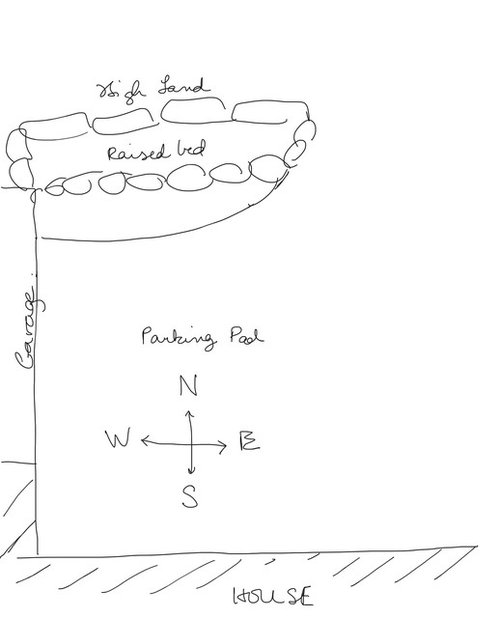
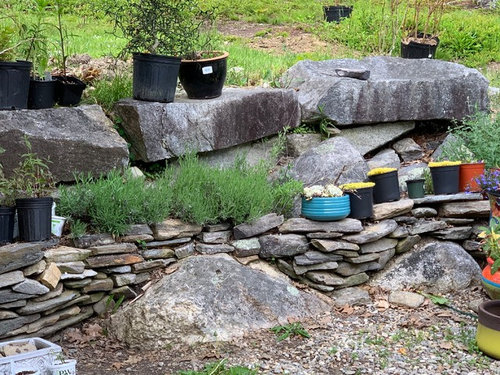
How does stone affect raised bed temps in winter?
7 years ago
Sort by:Oldest
Comments (2)

Related Stories

INSIDE HOUZZHow Much Does a Remodel Cost, and How Long Does It Take?
The 2016 Houzz & Home survey asked 120,000 Houzzers about their renovation projects. Here’s what they said
Full Story
LAUNDRY ROOMSFreeze-Dried Clothes? Houzzers Share Their Winter Laundry Tales
Air-drying the wash in chilly temps can be a challenge, but Houzz readers find a way
Full Story
FEEL-GOOD HOMEThe Pros and Cons of Making Your Bed Every Day
Houzz readers around the world share their preferences, while sleep and housekeeping experts weigh in with advice
Full Story
MOST POPULARHouzz Call: Show Us Your Winter View!
Share pictures of your home and garden in winter — whatever your climate, architecture and plantings
Full Story
LIFE6 Ways to Beat the Winter Blahs
Snow and dark days dampening your spirits? These ideas will have you looking on the bright side
Full Story
MOST POPULARWhen Does a House Become a Home?
Getting settled can take more than arranging all your stuff. Discover how to make a real connection with where you live
Full Story
GARDENING GUIDESGarden Myths to Debunk as You Dig This Fall and Rest Over Winter
Termites hate wood mulch, don’t amend soil for trees, avoid gravel in planters — and more nuggets of garden wisdom
Full Story
REMODELING GUIDESBathroom Workbook: How Much Does a Bathroom Remodel Cost?
Learn what features to expect for $3,000 to $100,000-plus, to help you plan your bathroom remodel
Full Story
LANDSCAPE DESIGN5 Gravel and Stone Types for a Rockin' Landscape
Give your garden design some textural bam with pebbles, granite, river rocks and other permeable materials
Full Story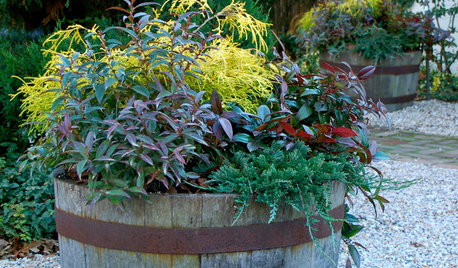
GARDENING GUIDES7 Ways to Get Your Container Garden Ready for Winter
Learn how to transition your fall pots to colder weather — and which plants to lose, keep or add
Full Story
ken_adrian Adrian MI cold Z5
deanna in ME Barely zone 6a, more like 5bOriginal Author
Related Professionals
Cincinnati Landscape Architects & Landscape Designers · McAllen Landscape Architects & Landscape Designers · Providence Landscape Architects & Landscape Designers · Idaho Falls Landscape Architects & Landscape Designers · Washington Landscape Contractors · Crestview Landscape Contractors · Pittsburg Landscape Contractors · Gulfport Landscape Contractors · Marietta Landscape Contractors · Rochester Landscape Contractors · Lake Havasu City Landscape Contractors · Magog Landscape Contractors · Pensacola Home Builders · Greensboro Home Builders · Des Moines Home Builders