

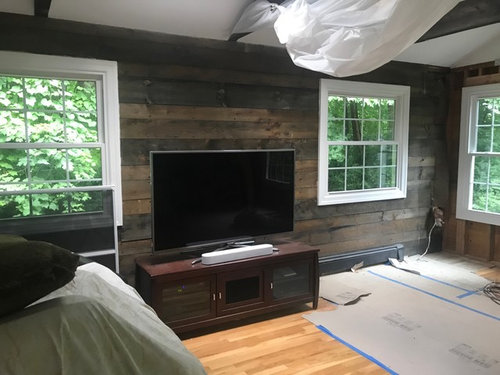
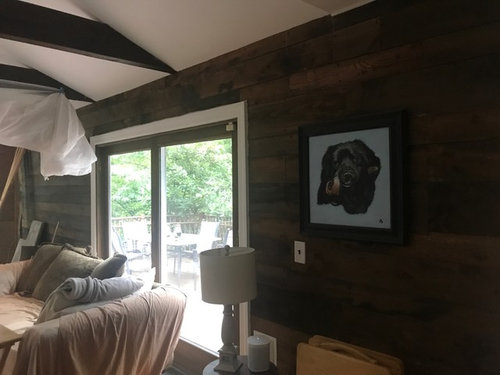
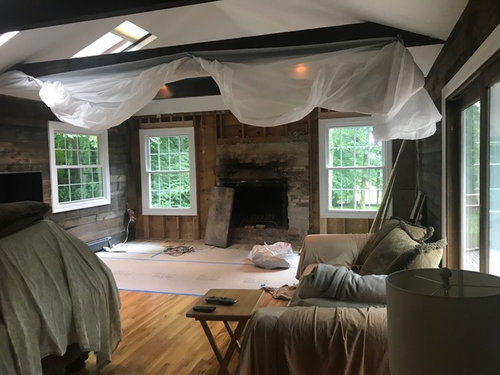
Whitewashing reclaimed wood
7 years ago
Featured Answer
Sort by:Oldest
Comments (15)
 7 years ago
 7 years ago
Related Professionals
Roswell Interior Designers & Decorators · Manhattan Flooring Contractors · Rolla Flooring Contractors · Florence Interior Designers & Decorators · Owensboro Interior Designers & Decorators · Altoona Interior Designers & Decorators · Clovis Interior Designers & Decorators · Miami Architects & Building Designers · Rolla Architects & Building Designers · Fort Wayne Architects & Building Designers · Longview Kitchen & Bathroom Designers · Cumberland Interior Designers & Decorators · Kennewick Interior Designers & Decorators · St. Louis Kitchen & Bathroom Designers · Stockton Kitchen & Bathroom Designers- 7 years agolast modified: 7 years ago
- 7 years ago
- 7 years ago
 7 years ago
- 7 years ago
- 7 years ago
- 7 years ago
- 7 years ago
- 7 years ago
- 7 years ago
- 7 years agolast modified: 7 years ago
- 7 years ago


Related Stories
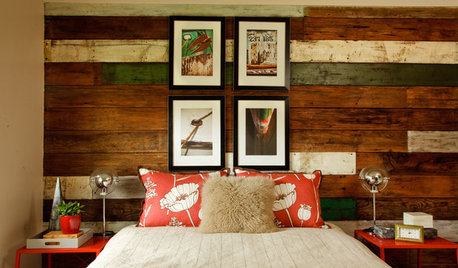
REMODELING GUIDESDesign Elements: Beautiful Reclaimed Wood
Weathered boards and beams add character and a sense of history to interior spaces
Full Story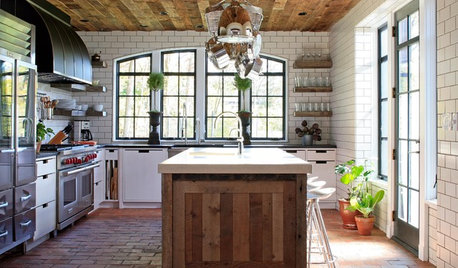
KITCHEN DESIGNWhat to Know About Using Reclaimed Wood in the Kitchen
One-of-a-kind lumber warms a room and adds age and interest
Full Story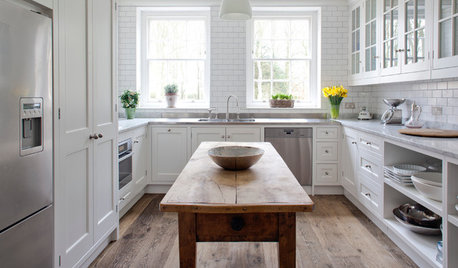
DECORATING GUIDESBring in Warmth and Character With Reclaimed Wood
Got a hankering for that natural touch? Go rough or refined with these ideas for using salvaged wood indoors and out
Full Story
WALL TREATMENTS10 Fresh Designs for a Reclaimed-Wood Wall
Choose different woods and colors to create a style that’s all your own
Full Story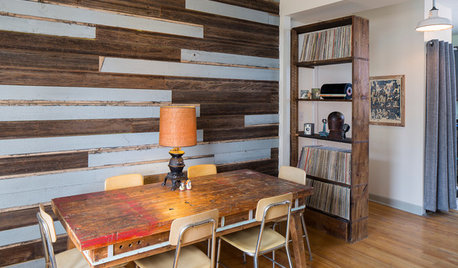
HOUZZ TVHouzz TV: Cool Reclaimed Wood Projects Fill a Craftsman’s Home
Using barn wood, beadboard and beams, this homeowner has crafted furnishings and features for his family’s Chicago home
Full Story
STUDIOS AND WORKSHOPSStudio Tour: New Life for Reclaimed Wood in Austin
See what inspires this Texas woodworker and how he stays organized in his workshop
Full Story
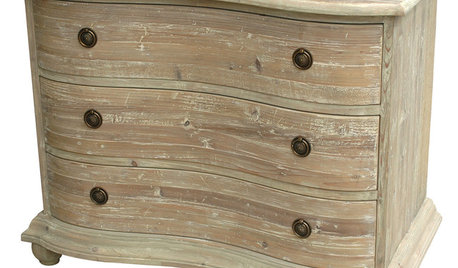
PRODUCT PICKSGuest Picks: Reclaimed Wood Pieces Full of Character
Bring a sense of history and depth to your rooms with furniture, lighting and art made from upcycled wood
Full Story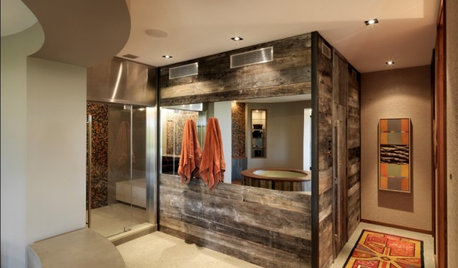
REMODELING GUIDESInspiring Materials: Reclaimed Wood
Beautiful Imperfections Add Warmth and Surprise to Eco-Stylish Interiors
Full Story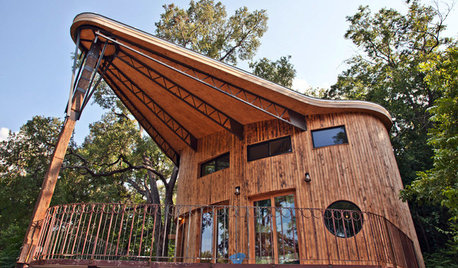
HOUZZ TOURSMy Houzz: A Reclaimed Wood House Rises From the Trees
Scorched siding, thoughtfully repurposed furnishings and a connection to both family and nature shine in this designer's new build
Full Story


MR W