Software
Houzz Logo Print
mstywoods

When is compost ready?

7 years ago
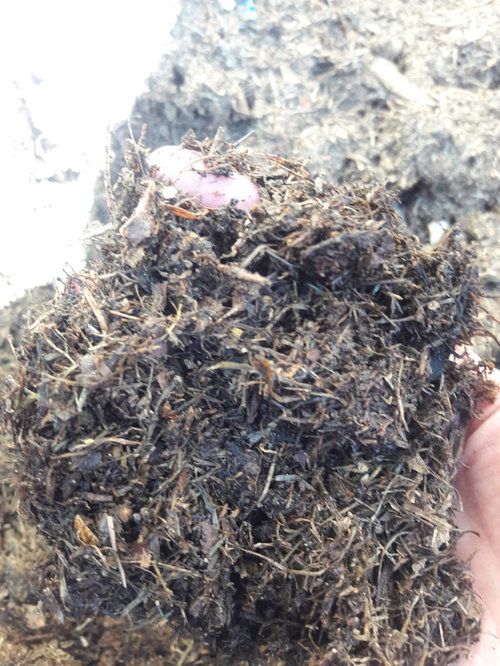
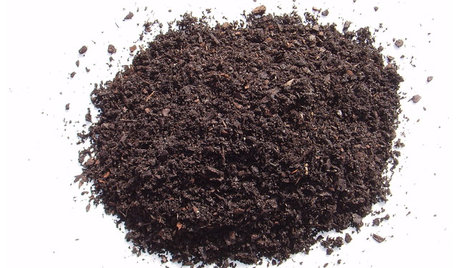
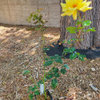
I've been composting for a few years, but have always been unsure when it was officially done and ready to use. So I'm sure I've most likely have used it when it wasn't quite finished! My husband was thinking that maybe if it's used before it's completely broken down, the bugs attracted to the raw food/plant remnants might harm the plants growing in it. I don't think so, but maybe so? I wanted to try harder this year and stopped adding to the pile probably a month or so ago, keeping it moist and turned. Watched a few youtube videos and read that it's ready when nothing recognizable can be seen and it quits getting hot. Think it's there - see my pic. What do you think?


I know it's more or less every gardeners prerogative, but also wondering if adding compost to a raised bed for vegetable gardening, what ratio of compost to soil is best to use. 50/50? I've used it as top dressing to existing plants before, as mulch or soil amendment. How much do you like to use for this? 2-4" or so?

Comments (6)

  • 7 years ago

    Sorry, but I do not think it's quite done. Buy or make a sifter (HERE is a well made version) that uses 1/2-inch mesh hardware cloth. One sized to fit over a wheelbarrow is good. Place a shovelful of compost on top and move the compost back and forth over the mesh. If it won't fall through the mesh it's not done. However, what you show is, IMO, sufficiently rotted to turn into a bed this fall. It will further degrade over winter.

    Composting progress can depend on your climate. In wet climates the pile may be covered with a tarp to keep rain out. In a dry climate the pile may be covered to keep moisture in, because a dry pile won't compost. A new compost pile is supposed to include soil from your yard; this is the source of microorganisms that make compost. However, I had one time when my compost just would not degrade even though I turned it regularly and wet it whenever I turned it. I lucked out in getting a yard of fresh horse manure and that kicked it into high gear.

    I've never considered a ratio when mixing compost with soil. I've always just put 3 to 4 inches on top of the bed, then turned it over with a spading fork. I'm guessing, but I think this is probably no more than 0.3 to 1 ratio. A 50/50 (or 1 to 1) mix would be equal parts compost and soil. Essentially half the volume of your raised bed would have to be compost.

  • 7 years ago

    When I was much younger, I used to obsess over compost. I built a three-unit bin out of 2x4s and wire fencing and religiously turned the material from one into another through the season, then put it all into the vegetable gardens in the spring.


    As I grew older, a combination of laziness, time pressure and the deterioration of my bins led to a more and more casual approach. The result? No change, or at least no adverse change.


    I compost mostly to feed three ~80 square foot raised vegetable beds. (Used to be four, but I've cut back.) During the growing season, I bag my grass clippings (except when I've sprayed for weeds) and use them as mulch around the tomatoes, peppers, eggplant, etc. -- as thick as possible. Most years, one of the three bins lies fallow and collects whatever excess I generate. In the fall, I'll pull up all the plants and drop them where they were -- no real effort to break up anything. As the leaves fall on the lawn, they get mowed up with the grass (and very coarsely shredded in the process) and piled high on the beds, often up to three or four feet deep. I'll sometimes add a handful of balanced fertilizer now and then to help kick off decomposition, but I'm not sure it matters. It starts to reduce immediately. In the spring, as soon as things dry out enough to allow it, I rototill everything that's left into the beds. The leaves are nowhere near fully decomposed, but I don't sweat that. By the time I'm actually ready to plant, some weeks later, I till again and level the beds. By then, you'd scarcely know how much new organic material had been added. IMO, any increase in bugs is more than offset by the benefits. (I do hand-pick grubs as I till, mostly because I find them repulsive and don't want to look at them.)


    I use the vegetable beds freely to source rich soil for the flower beds but don't generally add raw organic matter there directly for cosmetic reasons. I don't compost organic kitchen refuse but wouldn't hesitate to do so, especially if I could keep it in a somewhat neat pile somewhere layered with grass clippings. And if I planned to use compost (or garden soil) indoors, my approach might be very different.


    As for your original question, I don't think there's any realistic amount of organic material that's objectively "too much" and it doesn't matter much if it's "finished" or not -- as long as it's well mixed in, it will improve your soil structure, assist with moisture management and your plants (and worms) will love it.

  • 7 years ago
    last modified: 7 years ago

    The picture looks more like mulch than compost. As long as the food is broken down I would use it as mulch. If it still smells like rotting food then wait. Compost should smell earthy. I don't worry about pieces being recognizable or screening.

  • 7 years ago

    Huh - well, guess I've been making mulch not compost! lol


    Thanks for the tips on the screening, mindshift, but I doubt I'll go to that much work (laziness factor, I guess, like fredbarber ;) I do have my compost covered - have a wood sided bin (no bottom) with a wood top, so think that is helping keep the moisture in with this dry climate here. Since the bottom is open to the soil, I thought that would be enough to let the organisms into the compost. Not sure why it's not degrading into official compost - maybe it just hasn't been long enough (I did put some of leftovers from last season into this bin along with all the new food scraps, grass clippings, etc. So I guess it's been composting for less than a year. I may not be keeping the right ratio of brown to green and/or keeping it moist enough to make it into compost. Interesting about adding the manure to really activate it - that might be something I'd try. gjcore - it definitely does not smell like rotting food, but has that earthy smell you describe.

    I read somewhere about the 50/50 ratio of compost to soil, and thought that sounded kind of high. I'm with you mindset and fredbarber - I would think any amount added as compost or mulch would be beneficial!


    This is the closest I've gotten to compost so far since I've been trying this! I think I will continue to let it break down awhile more and then use some as mulch. Then I'll flip my bin over to a new area and begin adding my scraps again along with leaves, etc. for the beginnings of a new batch and see what I end up with!

  • 7 years ago

    If it's any consolation, mstywoods, I was making compost in one of those spinning barrels. After four years, it still had identifiable chunks in it. I poured it all into my raised bed and covered it with some bagged stuff. After that, I decided compost-making was not for me.

    Last Fall, I collected leaves and bagged them in an attempt to create leaf mould. Pretty sure that was also a miserable failure as last time I checked the bags they smelled horrible. That's not supposed to happen. They have become anaerobic. I'm leaving them alone for a while to see what happens but probably nothing good will come of that and I will have to conclude that I also fail at making leaf mould.

  • 7 years ago

    @popmama, leaf mold is compost. Bacteria begin to feed on leaves wherever they touch the soil. The bottom layer begins to break down then the next layer. But, various beetles, mites, nematodes and worms also help along the decay. Putting vegetable matter in an air-tight bag guaranteed an anaerobic reaction. That is exactly what is supposed to happen when no oxygen is available. Composting requires air; that's the purpose of turning it. Waiting won't make the bagged leaves better.