

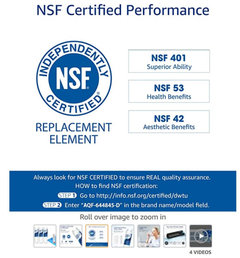
Miele refrigerator water filters vs. third-party brands
6 years ago
Featured Answer
Sort by:Oldest
Comments (9)
 6 years ago
- 6 years ago
Related Professionals
Tampa Kitchen & Bathroom Designers · Albany Kitchen & Bathroom Designers · Pittsburg Kitchen & Bathroom Designers · Alexandria Kitchen & Bathroom Designers · Spartanburg Kitchen & Bathroom Designers · Muncie Kitchen & Bathroom Designers · Fergus Falls Kitchen & Bathroom Designers · Grand Island Kitchen & Bathroom Designers · Billings Kitchen & Bathroom Designers · Madison Bathroom Remodelers · Pueblo Bathroom Remodelers · Sugar Land Kitchen Remodelers · Manchester Kitchen Remodelers · Coeur d'Alene Kitchen Remodelers · Victoria Kitchen Remodelers- 6 years agolast modified: 6 years ago
- 6 years ago
- 6 years agolast modified: 6 years ago
- 5 years ago
- 5 years ago
- 3 years agolast modified: 3 years ago
Related Stories

KITCHEN DESIGNStay Cool About Picking the Right Refrigerator
If all the options for refrigeration leave you hot under the collar, this guide to choosing a fridge and freezer will help you chill out
Full Story
MOST POPULARModern Party Etiquette for Hosts and Guests
Learn the mannerly way to handle invitations, gifts and even mishaps for a party that's memorable for the right reasons
Full Story
ENTERTAININGRecipe for an Unforgettable Holiday Dessert Exchange Party
Get your gathering off to a good start with this rich Earl Grey cake and eucalyptus-and-rose tablescape
Full Story
HOUSEKEEPINGDishwasher vs. Hand-Washing Debate Finally Solved — Sort Of
Readers in 8 countries weigh in on whether an appliance saves time, water and sanity or if washing by hand is the only saving grace
Full Story
HOUSEKEEPINGHow to Clean Your Fridge, Inside and Out
Keep your refrigerator clean and fresh, while you gain storage space and lose those ‘UFOs’
Full Story
REMODELING GUIDESGet the Look of a Built-in Fridge for Less
So you want a flush refrigerator but aren’t flush with funds. We’ve got just the workaround for you
Full Story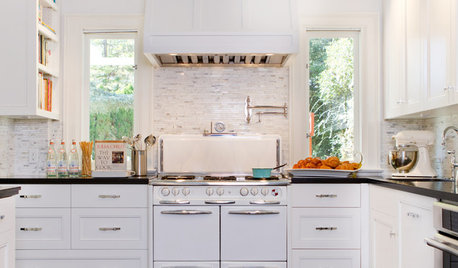
VINTAGE STYLERevel in Retro With Vintage and New Kitchen Appliances
Give your kitchen old-fashioned charm with refrigerators and stoves that recall yesteryear — even if they were made just yesterday
Full Story
BATHROOM DESIGNDreaming of a Spa Tub at Home? Read This Pro Advice First
Before you float away on visions of jets and bubbles and the steamiest water around, consider these very real spa tub issues
Full Story
LIFETime Travel to Houzzers' Childhood Homes, Part 3
See postwar homes built by family members, rural farmsteads, cold-water flats and much more
Full Story
LIFETell Us: What Made You Fall for Your Kitchen?
Show the heart of your home some love for Valentine’s Day
Full Story

Michael Cooper