Software
Houzz Logo Print
mostrecent

Hedges for noise reduction and privacy

6 years ago

My house in Northern California backs up to a major freeway. I'm looking to plant a hedge, that would grow to 10-12', along my property line to block traffic noise and add privacy. Fast growing and easily available are an additional benefit. Any suggestions?


Thanks,


Comments (25)

  • 6 years ago
    last modified: 6 years ago

    A hedge is not going to do it. Have you looked into local laws to see what you can do with fences? There are some outdoor sound absorbing panels and other systems that may work in your situation. Google "outdoor acoustic panels" for starters.

  • 6 years ago
    last modified: 6 years ago

    No hedge will muffle the freeway noise,.

    Ahhh. When I was younger, I had an townhouse apartment in Burbank that overlooked the 134FWY. Seriously, I could give morning traffic reports - it was directly outside my bathroom window. I got used to the usual flowing traffic sounds, except the empty semi trucks banged so loudly! but that was nothing compared the 2:15 AM police speaker shouting "Pull Off The Freeway!" My advice- move.

    fYI. Oleanders are highly poisonous to all animals, including humans

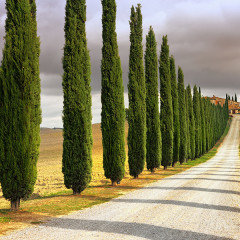
    Italian Cypress trees are fast growers 12-24 inches/year. and will help with privacy. Plant them closer and they will fill in as a screen- 3 feet wide


  • PRO
    6 years ago

    "fYI. Oleanders are highly poisonous to all animals" Notice that no animals eat them. There is the once-per-century accidental ingestion ... but riding in a car is more likely to be harmful.

    I concur. Shrubs won't help sound unless you have many acres thick of them.

  • 6 years ago
    last modified: 6 years ago

    yardvaark-. Your comment is reckless. Bored animals are like human toddlers- everything goes in their mouths. Oleanders are beautiful but deadly. All parts of the plant including the dropped berries are toxic to animals, and humans alike.

  • 6 years ago

    Point of information. Oleanders don't have berries.

  • 6 years ago

    Gotta agree. Hedge just isn't going to cut it for noise reduction. You need a wall if you want to reduce freeway noise, like they kind they usually build along freeways in suburbs.

  • 6 years ago
    last modified: 6 years ago

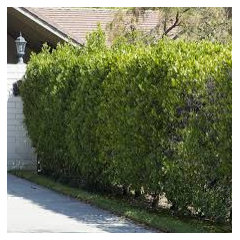
    Privacy you can have. Nor Cal covers a lot of climate zones though. Better location info will get you better plant suggestions for a hedge. Right now I am suggesting Podocarpus.

  • 6 years ago

    Oleanders are planted all over California and throughout much of the south. And yet accidental poisoning or ingestion of the plant by animals or humans of any age are almost nonexistent. Yardvaark's statement is not at all "reckless"......it is merely realistic.

    There are a great many highly toxic plants that we routinely include in our gardens and seldom are they of any serious concern. Most of us have the brains to know better than to munch on them and to keep small children supervised around them.

  • 6 years ago

    A known toxic plant is a toxic plant- period. It might grow well in So Cal, but so does poison ivy. It is an invasive toxic plant.


    If you are a landscaper and suggest this plant without warning your clients of the deadly consequences of this plant you are NOT a professional, but rather a diabolical and reckless idiot.


    Ingestion of this plant can affect the gastrointestinal system, the heart, and the central nervous system. The gastrointestinal effects can consist of nausea and vomiting, excess salivation, abdominal pain, diarrhea that may contain blood, and especially in horses, colic.


    Cardiac reactions consist of irregular heart rate, sometimes characterized by a racing heart at first that then slows to below normal further along in the reaction. Extremities may become pale and cold due to poor or irregular circulation. The effect on the central nervous system may show itself in symptoms such as drowsiness, tremors or shaking of the muscles, seizures, collapse, and even coma that can lead to death.


    Oleander sap can cause skin irritations, severe eye inflammation and irritation, and allergic reactions characterized by dermatitis.


    Poisoning and reactions to oleander plants are evident quickly, requiring immediate medical care in suspected or known poisonings of both humans and animals. Induced vomiting and gastric lavage are protective measures to reduce absorption of the toxic compounds. Charcoal may also be administered to help absorb any remaining toxins.


    Further medical attention may be required depending on the severity of the poisoning and symptoms. Temporary cardiac pacing will be required in many cases (usually for a few days) till the toxin is excreted.


    Digoxin immune fab is the best way to cure an oleander poisoning if inducing vomiting has no or minimal success, although it is usually used only for life-threatening conditions due to side effects.


    Drying of plant materials does not eliminate the toxins. It is also hazardous for animals such as sheep, horses, cattle, and other grazing animals, with as little as 100 g being enough to kill an adult horse. Plant clippings are especially dangerous to horses, as they are sweet.


    In July 2009, several horses were poisoned in this manner from the leaves of the plant. Symptoms of a poisoned horse include severe diarrhea and abnormal heartbeat. There is a wide range of toxins and secondary compounds within oleander, and care should be taken around this plant due to its toxic nature.


  • 6 years ago

    Carolina Cherry Laurel are evergreen, have berries and tiny white flowers part of the year, and grow very quickly. You can keep the natural upright shape, or trim them into straight hedges.


  • 6 years ago

    Oh golly!! You better not plant those either! Both Carolina and English cherry laurels produce toxic seeds that look like tasty fruit. And the leaves and branches contain high amounts of cyanogenic glycosides that break down into hydrogen cyanide when damaged, making them a potential toxic hazard to grazing livestock and children. In fact, don't plant anything in the Prunus genus, including sweet cherries, as they all carry similar toxic properties!

    And I can list several hundred other common and widely used plants that can produce similar results. If you eliminated all the plants from your garden that have toxic properties, there would be very little left growing in it.

    Regardless of the plant in question, it still boils down to the same thing. The cases of accidental poisonings from ingestion are extremely rare. There is no need to get all up in arms and become over concerned about these things

  • 6 years ago

    Definitely call CalTrans and ask them about mitigating freeway noise. They are the professionals. There are numerous portions of California freeways that use concrete walls to block noise. They occasionally put up a noise wall well after a freeway is completed...I don't know why they do this in some places and not in others. It is worth asking whether they might do something. A hedge my give you some privacy but will do little to stop the noise. I have about a dozen oleanders on my 2.5 acre property in SoCal and they seem to make no difference in the animal population. I haven't heard of any dogs around here dying from them, and the rabbits, squirrels and gopher populations cycle in accordance with the presence of coyotes and bobcats, not oleanders.

  • 6 years ago
    last modified: 6 years ago

    Floral-. Just as an apple tree produces apples with seeds in the middle, the oleander's "fruit" is a long, skinny capsule resembling a finger-like bean that also contains seeds. The green or yellow pods grow in pairs in the summer and fall seasons and ripen throughout this time, turning brown as they mature. At this point, unless harvested, they split open and release tiny tufted seeds that settle on the ground and, if conditions are right, germinate.


  • PRO
    6 years ago

    Had the same situation at the last home I owned and NOTHING in the way of hedges did anything to diminish the traffic noise. Additionally, I never opened a window in 3 years because I was so concerned about the exhaust from the vehicles.

  • PRO
    6 years ago

    @DK Haas ... While oleander happens to be poisonous, your comments about it are bonafide alarmism, I'm merely pointing out the TRUE fact that people and animals don't suffer ill effects of it because they don't eat it. The number of deaths per year from Oleander, averaged out, don't even add up to 1 in spite of the fact that there are hundreds of thousands of the plants commonly situated in populated areas in warm parts of the country ... and many more millions around the globe. It literally is about the last thing a person needs to worry about. A person is more likely to die from licking a frog.

  • 6 years ago

    Yardvaark, I'll tell that to my friends that lost their toddler due to Oleander poisoning. Just sayin'...

  • 6 years ago

    D K Haas, I am familiar with Oleander fruit. They're not berries by any botanist's or layperson's understanding of the word.

  • PRO
    6 years ago

    @rouxb ... what do you think I'm claiming ... that oleander isn't poisonous? ... or that the rate of poisonings are low in the extreme? If anyone lost a toddler due to oleander poisoning, they should not be raising any more children. It sounds like a made-up convenience claim anyway.

  • PRO
    6 years ago
    last modified: 6 years ago

    Enough already the only thing that will even remotely deaden the noise is a thick high fence so see what is allowed in your area and sometimes if a whole neighborhood complains a wall of concrete is installed , “so pretty “ and so much better than some noise.I am joking of course. We live above a highway not a freeway the noise is annoying at times but to be honest usually kind of just is there we have triple paned windows and when we leave them closed you hear hardly anything except for sirens

  • 6 years ago

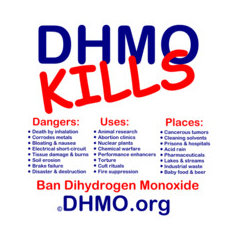
    Oleander is nothing compared to one of the most commonly used poisons that people die from every day. Millions of people die from it. But because big pharma and big government don’t want you to know about it, there’s only a small group of people spreading the alarm. People ingesting dihydrogen monoxide is far far more concerning than kids eating oleander, foxgloves, hydrangeas, daffodils, rhubarb, lantana, rhododendrons, larkspur, or monkshood.


    https://www.dhmo.org/facts.html


  • 6 years ago

    Aardvark I simply replied to your comment “TRUE fact that people and animals don’t suffer ill effects of it because they don’t eat it.”

  • 6 years ago

    If the plant was that deadly and folks were dropping like flies after exposure or munching on it willy-nilly, then it would not be used extensively in parks and other public places in the areas were it grows well. The lawsuits would be all the news!!

    btw, accidental poisoning from oleander is so rare in the US that it almost always makes the news. Last report I could find involving children was from 2000.

  • 6 years ago

    Some animals that thrive on oleander include the oleander aphid and several species of sharpshooters. The latter transmit a serious bacterial disease. A better choice for a fast-growing privacy hedge in northern California is the native toyon, Heteromeles arbutifolia. Plant it in full sun and provide limited to no summer water and it will thrive.

  • 6 years ago

    I agree with Beverly. Noise is irritating but the exhaust of particulate matter from cars can cause asthma, cancer, and some neurological diseases. I'd read up on air pollution in your situation, not just noise pollution.