

Tile floor and backsplash underlayment or backer
6 years ago
last modified: 6 years ago
Sort by:Oldest
Comments (3)

Related Stories
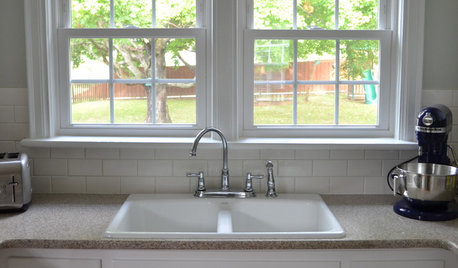
KITCHEN BACKSPLASHESHow to Install a Tile Backsplash
If you've got a steady hand, a few easy-to-find supplies and patience, you can install a tile backsplash in a kitchen or bathroom
Full Story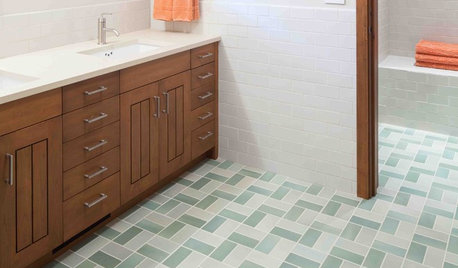
GREAT HOME PROJECTSHow to Install a New Tile Floor
Is it time to replace your tile floor? Here’s how to get it done, which pros to call and what it will cost
Full Story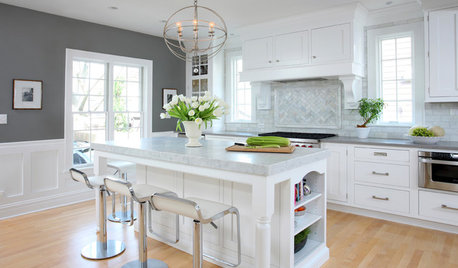
KITCHEN DESIGNHow to Add a Kitchen Backsplash
Great project: Install glass, tile or another decorative material for a gorgeous and protective backsplash
Full Story
TILEPorcelain vs. Ceramic Tile: A Five-Scenario Showdown
Explore where and why one of these popular tile choices makes more sense than the other
Full Story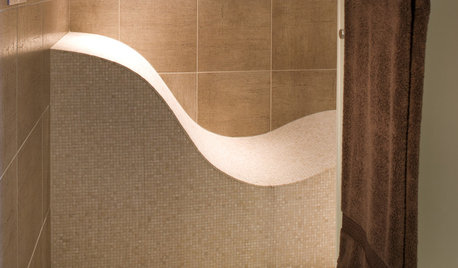
REMODELING GUIDESTop 10 Tips for Choosing Shower Tile
Slip resistance, curves and even the mineral content of your water all affect which tile is best for your shower
Full Story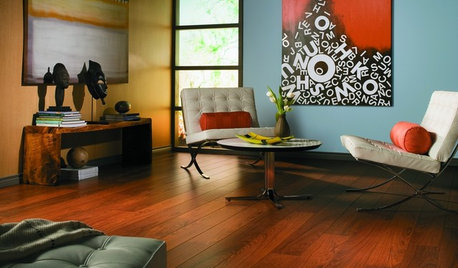
REMODELING GUIDESLaminate Floors: Get the Look of Wood (and More) for Less
See what goes into laminate flooring and why you just might want to choose it
Full Story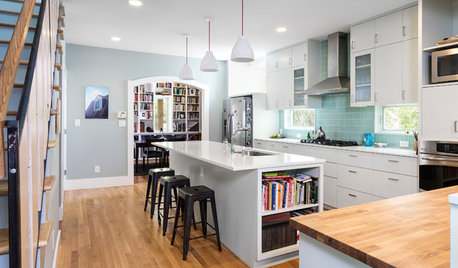
MOST POPULAR6 Kitchen Flooring Materials to Boost Your Cooking Comfort
Give your joints a break while you're standing at the stove, with these resilient and beautiful materials for kitchen floors
Full Story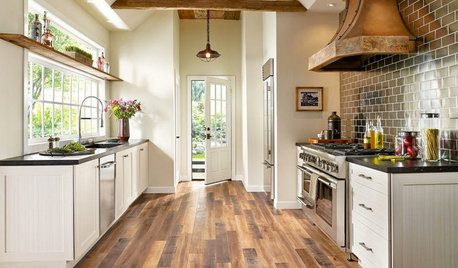
MOST POPULARPros and Cons of 5 Popular Kitchen Flooring Materials
Which kitchen flooring is right for you? An expert gives us the rundown
Full Story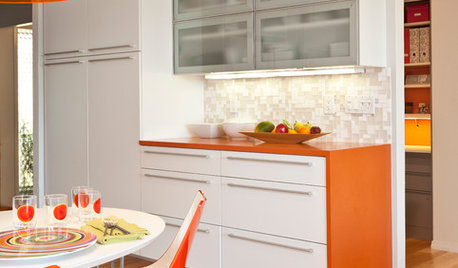
KITCHEN DESIGNCountertop and Backsplash: Making the Perfect Match
Zero in on a kitchen combo you'll love with these strategies and great countertop-backsplash mixes for inspiration
Full Story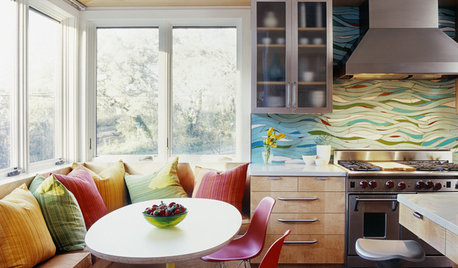
KITCHEN DESIGNKitchen of the Week: Exquisite Artistic Backsplash
Rippling colored glass forms an imaginative wall, while a clever layout embraces practicality in this stunning Texas kitchen
Full Story
User
SJ McCarthy
Related Professionals
Great Bend Flooring Contractors · Huron Tile and Stone Contractors · Chula Vista Tile and Stone Contractors · Jacksonville Kitchen Remodelers · Morgantown Kitchen Remodelers · Syracuse Kitchen Remodelers · Bridgeport Kitchen Remodelers · Boise Kitchen Remodelers · Lake Charles Kitchen & Bathroom Designers · Sacramento Kitchen & Bathroom Designers · Chatham Kitchen & Bathroom Designers · Evansville Kitchen Remodelers · Miami Custom Countertops · Dallas Custom Countertops · Youngstown Custom CountertopsCreative Tile Eastern CT