Software
Houzz Logo Print
webuser_661970833

Paint visualizing tool - sunlight vs light bulbs

6 years ago

Is there any tool that helps to visualize a paint color (e.g. a Sherwin WIlliams color) in sunlight vs light bubs of specific temp/CRI

Comments (8)

  • PRO
    6 years ago
    last modified: 6 years ago

    Get the light bulbs in LED 4000K and you are done, they mimic bright sunlight.BTW the only way to see how a color looks in your space is by painting samples and moving them in your sapce

  • 6 years ago
    last modified: 6 years ago


  • 6 years ago

    My Architect has a light at his office that allows you to vary the temp of the LED output. very handy for learning about light colors and temps, but also for looking at paint colors, etc.

  • 6 years ago
    last modified: 6 years ago

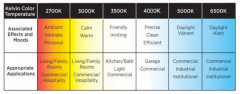
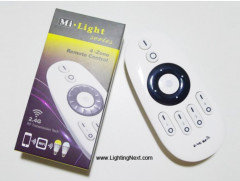
    There are LED lights that can have their color temperature adjusted from 2700K to 6500K from a remote or a cell phone or tablet.

    You can also buy a recessed future that has a variable switch on it.


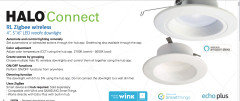
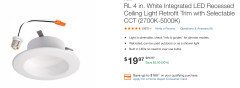
    Halo makes a recessed 4" LED that can be adjusted remotely.


    Halo also makes a 4" recessed LED fixtures that can be adjusted remotely from 2700K to 5000K by Halo Home


    Or you can buy a Halo fixture wth an adjustable color temperature selector switch on the unit.

    Joe Macker thanked User
  • PRO
    6 years ago

    In the past year we've used 2700 & 3000K. The 2700 was warm. The 3000 less so and as far as we've recommended to the client who was liking 4000 & 5000. Many of these colors are available at commodity prices but 3500 is double and the the switched lights are 3-4x more.


    We used a switched Halo to test colors. and they start washing out as the numbers get bigger.


    Unless you've had LED lighting already, prepare for a large increase in lumens, 2-3 times brightness vs old floods.

  • PRO
    6 years ago
    last modified: 6 years ago

    Is there any tool that helps to visualize a paint color (e.g. a Sherwin WIlliams color) in sunlight vs light bubs of specific temp/CRI

    Yes. An OttLite. I like this one. https://products.ottlite.com/p-497-emerge-led-desk-lamp.aspx#ReviewHeader

    I like it because it has 3 color temperature modes.

    The color science rule of thumb is if colors match (according to you as the observer) under 3 different light sources, odds are really good they will match under any light source. It's a practical way of predicting and managing metamerism for typical architectural color design applications.

    The entire paint color manufacturing loop uses a similar light source model - from developing the actual formula in theoretical color space to quality checking paint chips.

    If you want to see paint colors/chips as they were intended under balanced light source conditions, an OttLite ClearSun LED will get you close.


    ETA: found a 20% coupon code - PLUGGEDIN

    Joe Macker thanked Lori A. Sawaya
  • 6 years ago

    What is your purpose?


    If you are looking at a specific color to paint your walls and/or change lighting it is best to test in your environment.


    The LRV of a color is going to tell you how much light will reflect off the color. Black will look black in any lighting. White will reflect every color around it. Green carpeting can make your white walls look green, green leaves outside a window can carry through the suns rays into your home and make the walls look green. A neon sign from the business across the street can reflect off your walls.


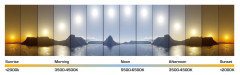
    Daylight changes with the time of day, season, cloud cover, pollution, altitude, latitude.


    Light bulbs are measured by Lumens - amount of light, CRI - how many colors are visible under the light source, and Kelvin - temperature/color of the light. These numbers are not exact. They are rounded and the CRI is an average of how well the light renders each of 8 colors. So if 7 colors test at 99% one color could test at 27% and still give you a CRI of 90%. Sucks to be you if the color you have on your walls is the one that renders poorly.


    Every light bulb manufacturer uses different materials in different combinations to create their light bulb. After much research and testing I selected the CREE 5000 k light bulbs for my home.

    It worked because I have a lot of purples and reds in my decor and this light bulb renders those colors very cleanly. Red/Violet is a particularly difficult color for LEDs to render as the wavelengths tend to drop off at the ultra violet end of the spectrum.


    The other thing you have to determine is what your color is going to look like next to the other colors in your environment. A clean crisp color white can make a muted white look dirty. Blue walls can make cabinets look yellow that looked very white when the walls behind them were painted brown or tan where you only noticed that they were lighter and the hue didn't impact the visual perception of the color.


    Even your mood changes how you perceive color. Reduced levels of dopamine reduces your ability to see colors. Everything looks more gray, less colorful when you are sad and brighter, more colorful when you are happy.


    The good news is, if you want a harmonious color palette for your home, there are a lot of people on this site that understand all these nuances of color and can help you determine what should work in your home. (Sorry - final testing will still need to be done by you).


    Given all this information, how can we help you with your particular dilemma?


    Joe Macker thanked Jennifer Hogan