

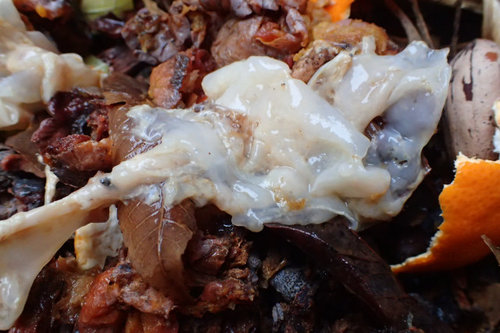
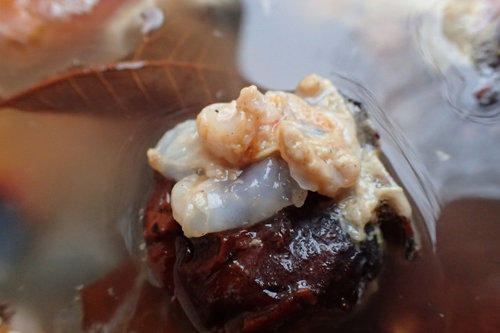
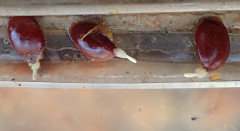
White Silicone Slime?
6 years ago
last modified: 6 years ago

Featured Answer
Sort by:Oldest
Comments (11)
 6 years ago
Related Professionals
Rome Landscape Architects & Landscape Designers · Aurora Landscape Architects & Landscape Designers · Gary Landscape Architects & Landscape Designers · Fresno Landscape Architects & Landscape Designers · Napa Landscape Architects & Landscape Designers · Birmingham Landscape Contractors · Tuscaloosa Landscape Contractors · Westminster Landscape Contractors · Fall River Landscape Contractors · Jamestown Landscape Contractors · Valdosta Stone, Pavers & Concrete · Philadelphia Stone, Pavers & Concrete · Corpus Christi Stone, Pavers & Concrete · Riverside Stone, Pavers & Concrete · London Stone, Pavers & Concrete 6 years ago
 6 years ago
- 6 years agolast modified: 6 years ago
 6 years agolast modified: 6 years ago
- 6 years ago
- 6 years agolast modified: 6 years ago
- 6 years agolast modified: 6 years ago



Related Stories
KITCHEN DESIGNHow to Keep Your White Kitchen White
Sure, white kitchens are beautiful — when they’re sparkling clean. Here’s how to keep them that way
Full Story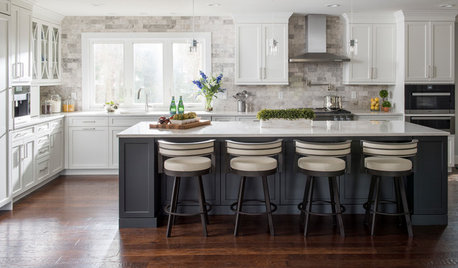
WHITE KITCHENSWhite Cabinets Remain at the Top of Kitchen Wish Lists
Find out the most popular countertop, flooring, cabinet, backsplash and paint picks among homeowners who are renovating
Full Story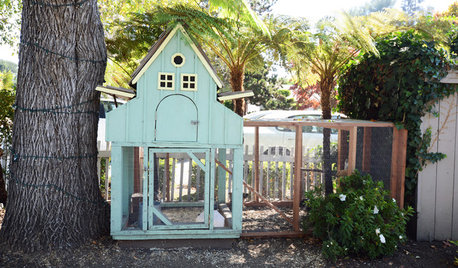
PETSSilicon Valley Chickens Are Ruling the Roost
Check out how these 4 homeowners and their chickens are surprisingly at home in a high-tech world
Full Story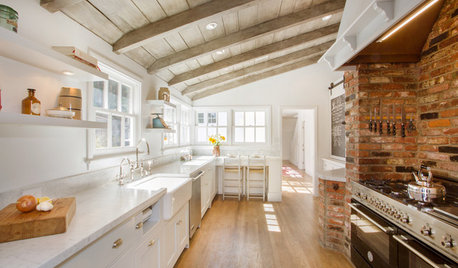
KITCHEN DESIGNKitchen of the Week: Brick, Wood and Clean White Lines
A family kitchen retains its original brick but adds an eat-in area and bright new cabinets
Full Story
INSPIRING GARDENSChickens, Chess and Swimming Star in a Silicon Valley Yard
Some fowl play is afoot in these outdoor rooms, but the family members and their many guests have a pretty good time too
Full Story
KITCHEN DESIGNKitchen of the Week: White, Wood and Wide Open
A Pennsylvania couple and their designer take down walls to create an open, light-filled great room
Full Story
KITCHEN DESIGNNew This Week: 4 Ways With White-and-Wood Kitchens
Designers share fresh ideas for bringing dynamic style to this classic kitchen palette
Full Story
FARMHOUSESHouzz Tour: Farmhouse Style That Feels Metro, Not Retro
Classic forms get a contemporary twist in this airy and inviting Silicon Valley home
Full Story
COLORFUL HOMESMy Houzz: A 1904 Georgian Colonial Gets a Personal Stamp
Art with a sense of humor rubs elbows with 17th-century features in a 7-bedroom home in a tony Silicon Valley neighborhood
Full Story
GARDENING GUIDESGreat Design Plant: Gaura Lindheimeri
Delicate, butterfly-shaped flowers ‘float’ above the foliage of this lovely, drought-tolerant perennial
Full Story





rhizo_1 (North AL) zone 7