

Problems with Loba 2K Invisible Protect?
6 years ago
Featured Answer
Sort by:Oldest
Comments (9)
Related Professionals
Miami Flooring Contractors · Las Cruces Flooring Contractors · Fort Collins Flooring Contractors · Gulfport Tile and Stone Contractors · Muskogee Tile and Stone Contractors · Mason City Tile and Stone Contractors · Worthington Tile and Stone Contractors · Huron Tile and Stone Contractors · Hudson Tile and Stone Contractors · Butte Tile and Stone Contractors · Vancouver Tile and Stone Contractors · Owensboro Kitchen Remodelers · Rock Hill Kitchen Remodelers · Bloomington Kitchen Remodelers · Keene Kitchen Remodelers 6 years ago
 5 years ago
 PRO5 years agolast modified: 5 years ago
 5 years agolast modified: 5 years ago
- 5 years ago
- PRO5 years ago
- 2 years ago
Related Stories
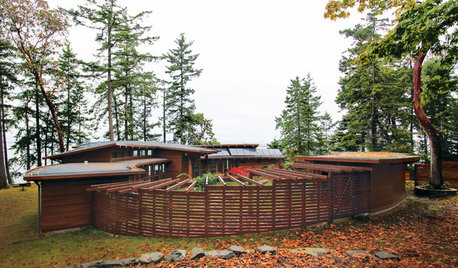
FENCES AND GATESA Deer Fence Can Be Decorative as Well as Protective
You need a monster-size fence to shelter your garden from deer, but it doesn’t have to look like a monstrosity
Full Story
LANDSCAPE DESIGNProblem Solving With the Pros: Sustainable Landscape Captures Runoff
An underground cistern, permeable paving and a rain garden are part of this Washington, D.C. yard's thoughtful design
Full Story
HOUSEKEEPINGHow to Clean and Care for Your Mattress
Find out what you should do to protect your mattress from dust, moisture and stains
Full Story
HOUSEKEEPINGHow to Clean Stainless Steel Appliances and Surfaces
Protect this popular kitchen material with a consistent but gentle cleaning routine
Full Story
KITCHEN DESIGNHow to Add a Kitchen Backsplash
Great project: Install glass, tile or another decorative material for a gorgeous and protective backsplash
Full Story
MATERIALSKitchen Ideas: How to Choose the Perfect Backsplash
Backsplashes not only protect your walls, they also add color, pattern and texture. Find out which material is right for you
Full Story
WORKING WITH PROS10 Times to Hire an Architect
These pros help solve design problems, manage projects, build smarter homes and much more
Full Story
REMODELING GUIDES9 Hard Questions to Ask When Shopping for Stone
Learn all about stone sizes, cracks, color issues and more so problems don't chip away at your design happiness later
Full Story
DECORATING GUIDESSpruce Up Your Rental, No Nails or Paint Required
Refresh your walls and protect your security deposit with 8 damage-free options
Full Story
GARDENING FOR BIRDS2018 Is the Year of the Bird. See 3 Ways to Celebrate at Home
Learn about the global effort to protect our feathered friends, and how you can help
Full StorySponsored

Central Ohio's Trusted Home Remodeler Specializing in Kitchens & Baths
Johnson Flooring Co Inc