Software
Houzz Logo Print
taryn_merkley

Why are my hydrangeas wilting??

6 years ago
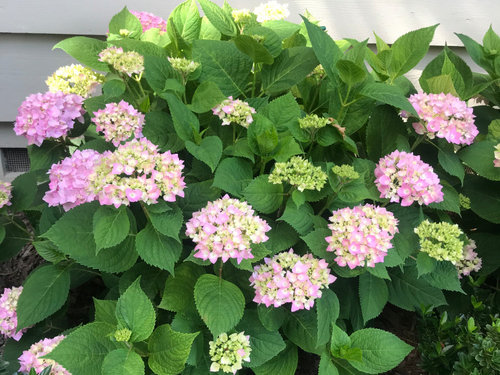


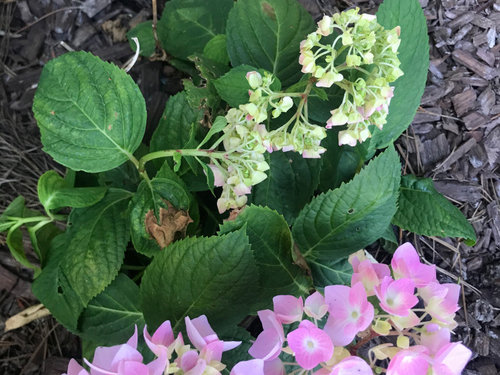
My endless summer hydrangeas are three years old and a four out of five of them were looking amazing and growing huge this spring. I noticed one last week was wilting terribly even though it was well watered. As a last ditch effort I dug it up and sprayed off the roots and re-planted it in a pot but I don’t think it’s going to survive. The hole that it came from seemed to be kind of waterlogged so I assumed maybe it was root rot?? The Hydrangeas next to it are huge and healthy and all in same soil with same water drip line. Today I noticed a few wilting leaves and flowers on the healthy ones. The bushes are on the West side of the house and they get morning sun until noonish. I have them watered with a drip line for 35 minutes every day. Does anyone know what is wrong with them?

Comments (4)

  • 6 years ago

    It looks like you have The Original ('Bailmer') (Endless Summer is a series and not a particular variety). I have had one here for some years, during dry weather it droops at the same time that other varieties near it in the same part of the garden do not. For whatever reason Twist 'n' Shout from the same Bailey Endless Summer series was also kind of hard to grow here, making little progress and if I remember right perhaps also being kind of fussy about watering.

  • 6 years ago

    Where are you? Daily watering at this time of year (unless in someplace like Arizona) is probably excessive.

  • 6 years ago

    I’m in Bay Area. I can try every other day. It’s just confusing to me that the ones next to it seem happy?? But maybe I am water logging them

  • 6 years ago
    last modified: 6 years ago

    When to water: insert a finger into the soil to a depth of 4" (not counting the mulch) and water the soil if the soil feels dry or almost dry. Do not water the leaves to minimize chances of promoting fungal leaf infections.

    How much to water: this can vary but try watering 1 gallon per plant and see if, after watering for a while, see if the soil feels moist down to 8" or so. If not, use more water.

    Heat stress: when temperatures are regularly above 85F, macrophyllas like yours will tend to wilt. They loose a lot of moisture through those large leaves faster than their tiny roots can absorb more water. This makes either/both the blooms and leaves wilt. Wilting also reduces the amount of surface area that sunlight hits and that reduces moisture loss.

    Too much water: the finger method can be used daily for 2-3 weeks at around 6-8am. If you have to water, make a note in a wall calendar saying that you watered on that day 1 gallon of water. After the 2-3 weeks are over, review the information on the calendar and average out the information so you know you watered 1 gallon every so many days (say every 3 days). Then set the sprinkler to water 1 gallon every 3 days. Repeat this if your temperatures change 10-15 degrees to see if you need to tweak the amount of water or the frequency. I typically start with 1 gallon in Spring. Then in May, as my temperatures regularly stay above 85F, I increase to 1.5 gallons per watering per plant. Then as temperatures regularly stay above 95-100F, I hand water or I water one more day.

    Other ideas: to retain moisture, make sure that the plant has 2-4" around the plant up to the drip line. Windy days will also trigger a lot of moisture loss. Feel free to deeply water before windy days to prep the hydrangeas for increased water needs. Or water before days when temps temporarily spike.

    As long as the soil is kept as evenly moist as you can, wilting will continue to occur when conditions are favorable but the plant should perk up in the morning all on its own without additional water. If it were to appear wilted in the morning though, the amount of soil moisture was insufficient so water it then. If you see an excessive wilting episode, give it water right a way. There are gardens where they maintain these hydrangeas watered a lot but they use very good draining soil. We sometimes do not have that and need to try not to water too much because then the plants can get root rot. The finger method can help minimize the chances of promoting root rot. Anytime you want to water but are wondering if you should, check the soil using the finger method.

    Weather stats: you had temps get as high as 80F recently and windy conditions near 30mph. The windy conditions on the 11th and 15th could have contributed to wilting.

    The hole: it could but not necessarily. It may have had difficulty getting air (oxygen) though. But, yes, lots of water would promote root rot at some point. How long is impossible to guess. You know the plant has root rot when it appears to be wilted 24/7 even after you give it water. Sandy soils will drain water "too" well and clay soils will drain too slowly.

    Dug it up and sprayed off the roots: doing this will "disturb" the roots and could now cause some response (hard to predict what that will be).