

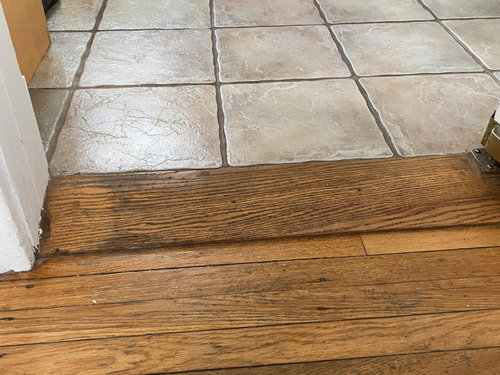
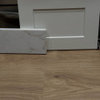
Odd step into kitchen - Need flooring advice
6 years ago
Featured Answer
Sort by:Oldest
Comments (6)
 6 years ago
Related Professionals
Idaho Falls Flooring Contractors · Yuba City Kitchen Remodelers · Hannibal Interior Designers & Decorators · Scranton Interior Designers & Decorators · Kalamazoo Architects & Building Designers · Brooklyn Architects & Building Designers · Superior Architects & Building Designers · Rolla Kitchen & Bathroom Designers · Morgantown Kitchen & Bathroom Designers · Duluth Kitchen & Bathroom Designers · Utica Kitchen & Bathroom Designers · Williamsburg Kitchen Remodelers · Chatham Kitchen Remodelers · Kalispell Custom Countertops · Provo Custom Countertops- 6 years ago
 6 years ago
- 6 years ago
- 6 years agolast modified: 6 years ago

Related Stories
KITCHEN DESIGN3 Steps to Choosing Kitchen Finishes Wisely
Lost your way in the field of options for countertop and cabinet finishes? This advice will put your kitchen renovation back on track
Full Story
KITCHEN DESIGNSmart Investments in Kitchen Cabinetry — a Realtor's Advice
Get expert info on what cabinet features are worth the money, for both you and potential buyers of your home
Full Story
KITCHEN WORKBOOK8 Steps to Surviving a Kitchen Remodel
Living through a kitchen remodel isn’t always fun, but these steps will help you work around a kitchen in disarray
Full Story
KITCHEN WORKBOOK4 Steps to Get Ready for Kitchen Construction
Keep your project running smoothly from day one by following these guidelines
Full Story
MOST POPULAR6 Kitchen Flooring Materials to Boost Your Cooking Comfort
Give your joints a break while you're standing at the stove, with these resilient and beautiful materials for kitchen floors
Full Story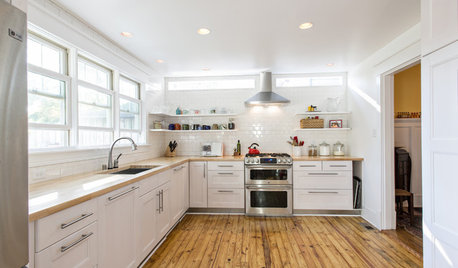
REMODELING GUIDESWhat Lies Beneath That Old Linoleum Kitchen Floor?
Antique wood subfloors are finding new life as finished floors. Learn more about exposing, restoring and enjoying them
Full Story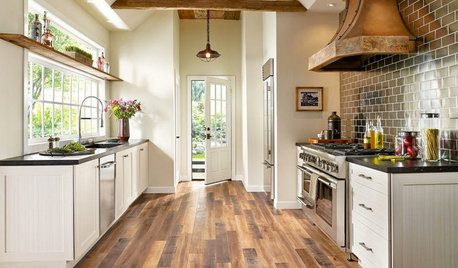
MOST POPULARPros and Cons of 5 Popular Kitchen Flooring Materials
Which kitchen flooring is right for you? An expert gives us the rundown
Full Story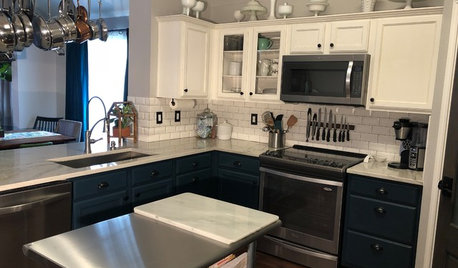
KITCHEN MAKEOVERSA Couple Update Their Kitchen One Step at a Time for $8,047
DIY spirit, research, elbow grease and careful budgeting result in a Dallas family’s dream kitchen
Full Story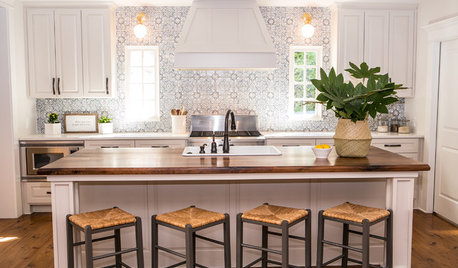
BEFORE AND AFTERSKitchen of the Week: Saving What Works in a Wide-Open Floor Plan
A superstar room shows what a difference a few key changes can make
Full Story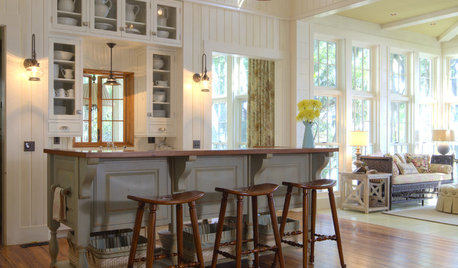
KITCHEN DESIGN9 Flooring Types for a Charming Country Kitchen
For hardiness and a homespun country look, consider these kitchen floor choices beyond brand-new wood
Full Story



Isaac